Transport for London (TfL) is seeking funding to refurbish Vauxhall Bridge, warning it could close to traffic without major repairs. The Grade II*-listed bridge, which opened in 1906, is a vital link across the River Thames, connecting Vauxhall Cross with central London. says London Now.
Every day, around 44,000 vehicles, including 2,448 buses and 1,840 lorries, use the bridge, alongside pedestrians and cyclists. However, the bridge’s steelwork has deteriorated due to prolonged exposure to water, despite waterproofing being renewed in 2020.
A structural assessment revealed that a crossbeam in Span 1 could no longer meet full loading requirements. This led to the bridge being closed to abnormal loads in 2023 and an 18-tonne weight restriction imposed in 2026. TfL says similar deterioration is evident across other spans, suggesting further restrictions are likely if repairs are not done.
The 18-tonne restriction could be lowered to 7.5 tonnes by around 2030, which would block buses, coaches, and many emergency service vehicles from crossing. Continued deterioration could see Vauxhall Bridge shut to vehicular traffic by around 2036, although TfL stressed this is a forecast and depends on how the structure deteriorates.
TfL is proposing a second phase in a broader programme meant to restore the bridge’s structural integrity and extend its lifespan. The project aims to repair or renew load-bearing components affected by corrosion and section loss, restoring structural capacity and removing the current weight restriction.
TfL plans to tackle similar deterioration elsewhere on the bridge to reduce the chances of further restrictions being needed. This approach is intended to provide a more sustainable solution than relying on reactive repairs and monitoring.
If the bridge were to close, around 44,000 motor vehicles a day would need to find alternative routes. Some lorry and bus diversions could be up to nine kilometres, while TfL estimates closure could add up to 45 minutes to some journeys between south and west central London.
A 7.5-tonne restriction would have significant consequences for buses and emergency services. Bus routes would need to divert to alternative crossings, potentially affecting connections between major transport hubs, including Vauxhall and Victoria. Fire brigade vehicles could also be forced to divert, potentially increasing emergency response times. Traffic displaced onto local streets could increase congestion, emissions, and road safety risks while worsening conditions for pedestrians and cyclists.
The bridge is also important to coach services travelling between central London, airports, and regional and international destinations.
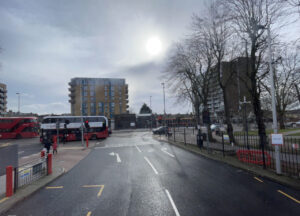
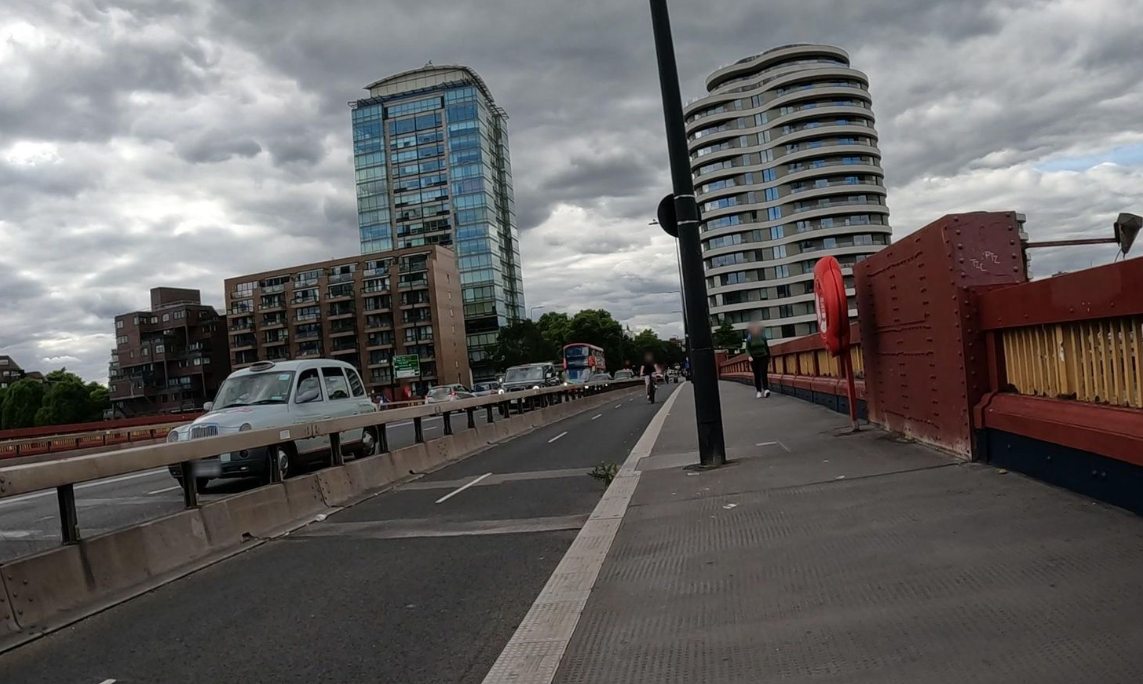
(Picture: Mapillary)