
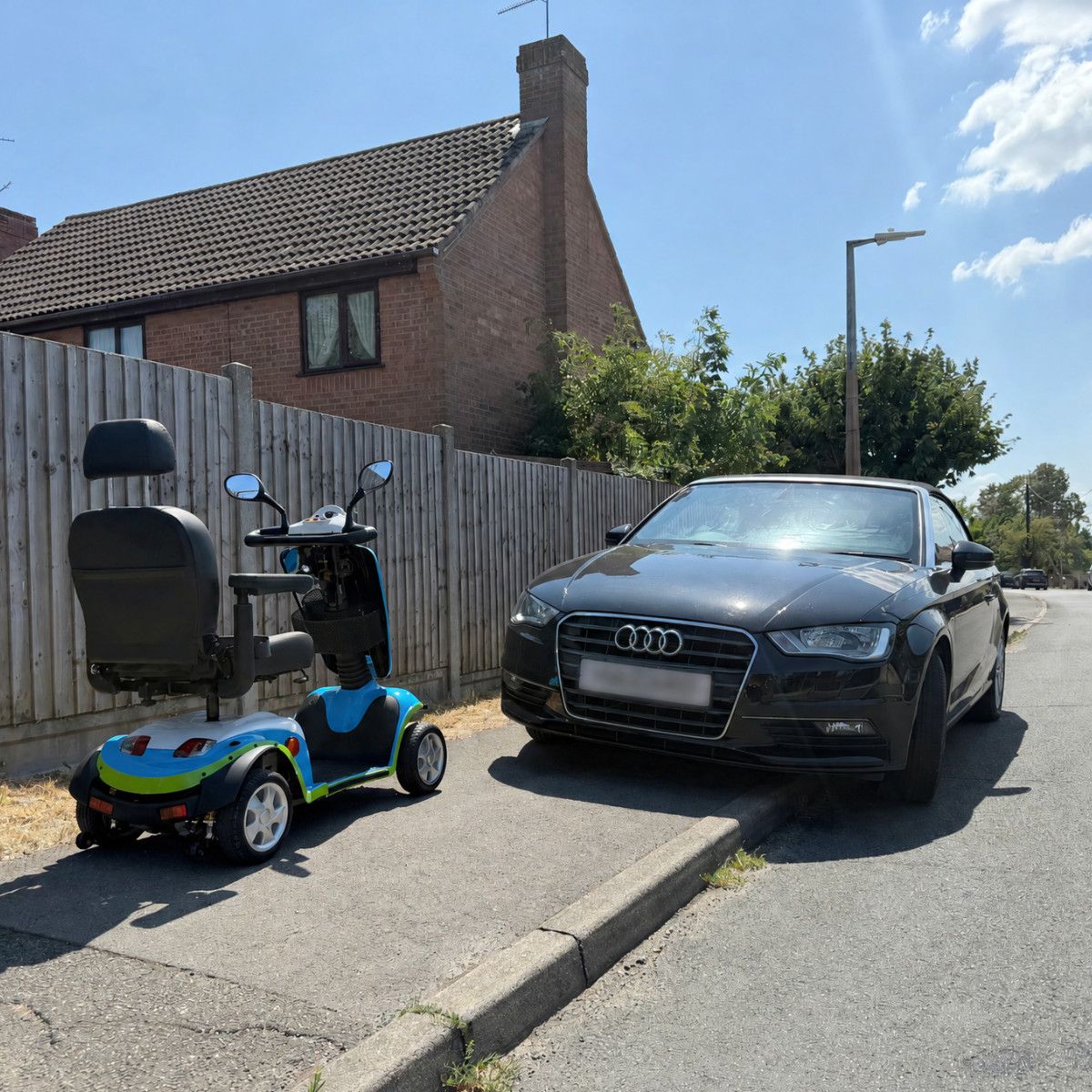
More than two-thirds of UK residents have been forced to step into the road in the past month because a vehicle was blocking the pavement, according to new research.
For some, pavement obstruction is an almost everyday problem, with 42% saying they had been forced into the road within the past week, including 11% who said it had happened that day, reports Wales Online. Within three months, that figure rises to four in five people (80%), while 92% have experienced it within the past year. The findings come from new data published by the National Accident Helpline.
With pavement-blocking vehicles affecting so many pedestrians, the findings raise the question: have Britain’s drivers forgotten how to park properly? Moreover, do drivers know what the rules are?
The issue becomes particularly problematic when larger vehicles cause the obstruction. More than four in five respondents (83%) believe SUVs and other large vehicles create a bigger issue for pedestrians than smaller cars when parked partly or fully on the pavement, which is a particular problem as research from the National Accident Helpline found that SUVs are now the most sought-after car type by drivers in the UK.

Eloise Sacares, senior vehicles policy researcher for the NGO Transport and Environment (T&E), explained how ‘car-spreading’ could be negatively impacting both our local areas and also the safety of the most vulnerable road users.
She said:
“Car-spreading is the phenomenon where we see cars getting bigger and bigger every single year… taking up space in our cities that could be used for other purposes, such as greenery on our streets or space for children to play. The bigger cars you have, the fewer cars you can fit. It’s not just about space for other cars. It’s also about space for bike parking, or space for greenery, which we know will help us with floods and heat waves and space for children to not have to be wading in between cars in order to cross the road, which is a massive safety issue.”
(Picture: Courtesy of Surewise)