
As councils take on broader responsibilities and adapt to ongoing local government reorganisation, having the right digital foundations in place will be essential. In this article, Chris Thompson, EMEA Head of Government Sales, Asset Management Software at Siemens (formerly Brightly Software), discusses how Confirm can help councils manage change, maintain service continuity and plan for the future with confidence.
The UK is entering a new era of local government. Prime Minister Andy Burnham has placed devolution at the centre of his agenda, with plans to give local and regional leaders greater control over the decisions that affect their communities. His proposed changes include allowing mayors to retain a share of income tax revenues and business rates, and expanded responsibilities for areas like transport, housing and skills. While many of the details are yet to be confirmed, the direction is clear: more power is moving from Westminster to local authorities across the country.
For councils, this creates opportunities and challenges. Greater local control could help local authorities to make decisions that better reflect the needs of their communities. However, increased responsibility also means increased pressure to deliver services efficiently, justify investment decisions and demonstrate value
for money.
Shifting powers
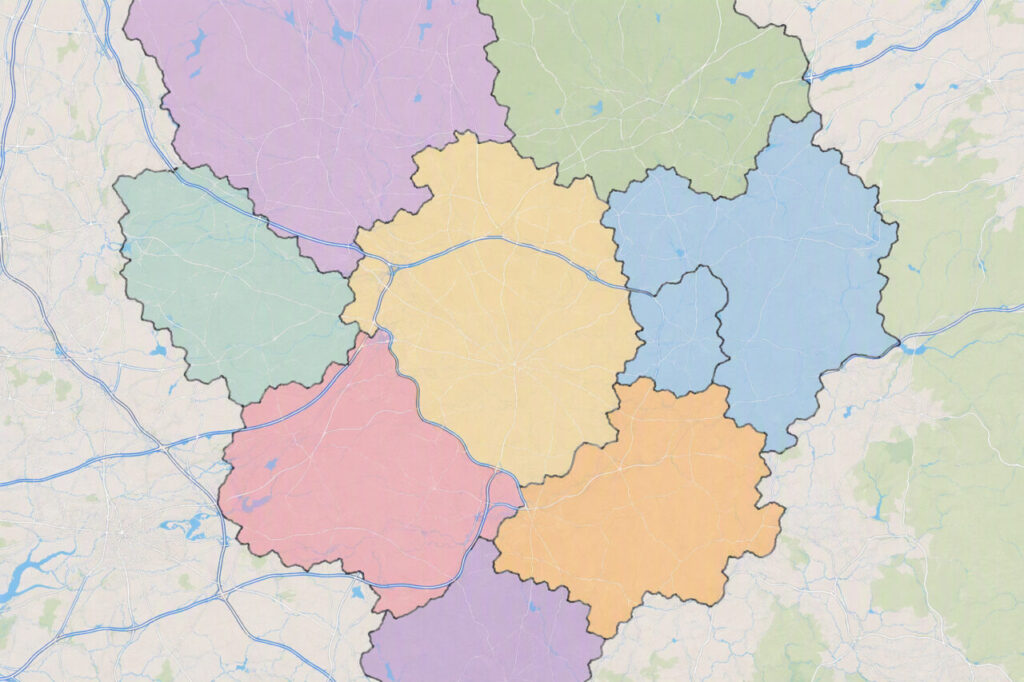
At the same time, many councils are already navigating change. The UK government’s ongoing ‘local government reorganisation programme’ aims to replace many two-tier council structures with unitary authorities. This will create larger organisations that are responsible for wider geographic areas and more complex service portfolios. The goal is to simplify governance and improve accountability, but the transition itself is far from simple.
When councils merge, or responsibilities shift, so too do the systems, processes and datasets that support service delivery. Asset information that is spread across multiple departments, legacy systems and spreadsheets needs to be consolidated and centralised. Similarly, highway records, street lighting inventories, drainage and infrastructure data need to be brought together into a single operational picture – or ideally, a single system.
This is why the success of devolution will depend not just on governance structures, but on digital tools.
Data and digital solutions
Local council leaders can only make informed decisions if they have a clear understanding of the various assets that they are responsible for. They need visibility into what they own, where it is located, its condition, its maintenance requirements and the investment needed to support long-term service delivery.
Without that visibility, councils risk spending valuable time reconciling information rather than improving outcomes for their communities. Digital asset management solutions like Confirm can help local authorities to navigate this transitional period. Providing a single, reliable source of asset information helps councils to
collate data from their respective, various departments and geographies. In short, digital platforms enable councils to have oversight of their many assets, and when the time comes to consolidate and streamline systems, solutions such as Confirm will handle the change with minimal disruption.
Several local authorities are already in the process of devolution – and a few of them are our customers, such as Surrey, Kent and Lincolnshire. We are proud to be working in partnership with them during this period of change, helping to ensure Confirm continues to support day-to-day operations and keep essential services running smoothly as new structures and responsibilities come into effect. It is also a challenge we understand well, having supported councils through similar transitions in the past.
Prioritising problems
Digital tools also support better decision-making. As devolved authorities take on greater responsibility for budgets and local investment, they will need to rely on evidence to help them prioritise where to spend – in ways that demonstrate impact. By leveraging asset data, local councils can also shift from reactive
maintenance to a more proactive and strategic approach – by identifying risks earlier and directing resources where they will have the greatest benefit.
The political details of devolution may continue to develop over the coming months. Funding arrangements and local responsibilities may change too. Yet, what will not change is the need for accurate data and effective asset management.
Embracing change
Regardless of the final outcome of the UK government’s plans, councils will face increasing demands to do more with the resources they have available. Those that invest in strong digital foundations today will be better placed to adapt, make informed decisions and deliver reliable services tomorrow.
Devolution has the potential to reshape local government for the better. As local government enters this next phase of transformation, solutions like Confirm will help councils prepare for – and embrace – change.
(Pictures: Brightly)