Campaigners in Hereford claim that a major new roads project ithat the local council says will “boost safety for all users”, does not comply with national standards for cycling infrastructure and will fail to slow down drivers while also pushing cyclists and pedestrians into conflict.
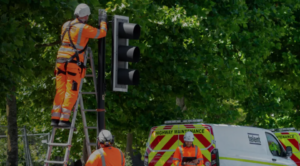
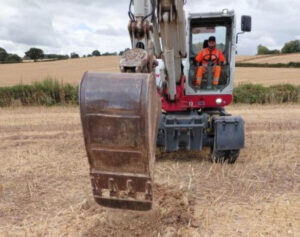
The scheme, focused on Holme Lacy Road in the south-west of Hereford, is expected to cost around £4m, with roadworks set to take place all year, says road.cc.
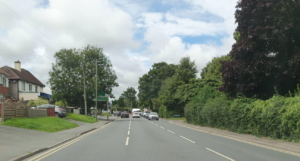
According to Herefordshire Council, the scheme aims to make the road, a busy corridor linking the Rotherwas industrial estate to the south of the city, “safer, smoother, and less polluting for everyone – whether they are in a car, public transport, walking, wheeling, or cycling”.
The local authority says the works will result in “fewer traffic jams and better alternatives for people who aren’t driving”, while boosting safety, providing better, flood-resistant road surfaces, and providing locals with more choice to “drive, walk, wheel, or cycle in their own dedicated spaces”.
The changes will include new traffic-calming measures, including ‘grip-it-and-slow surfacing’, special high-friction coating on the road, designed to help drivers stop quicker. The speed limit, however, will remain the same.
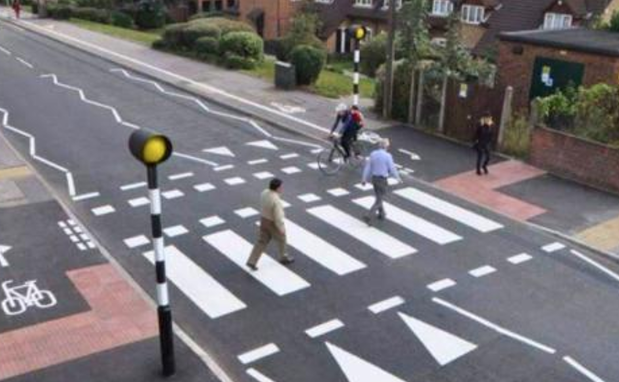
More shared paths, raised crossings, and new crossings will be introduced along the road to “improve connections” for people walking and cycling.
However, the scheme has been criticised this week by local campaigners in the Herefordshire Transport Alliance (HTA), who argue that the “multiple problems” with the project will not encourage more people to cycle in Hereford.
“The route also pushes cyclists and pedestrians together, creating conflict,” the group’s spokesperson Amanda Martin told the Hereford Times.
“I don’t think it’s any kind of improvement. They could deal with current problems across the city at a fraction of the cost.”
Martin noted that the council’s plans to revamp a roundabout on the road do not give priority to cyclists, while she says the “table-top” sections at junctions will do little to slow motorists, as intended.
“I suspect it was a case of spend it or lose it,” she continued, referencing the council’s acquisition of central government funding for the project.
“It allows the council to say they have invested in cycling infrastructure. But we are still not getting the radical measures we need.”
Meanwhile, local councillor and HTA member Jeremy Milln says the scheme does not appear to be compliant with the government’s LTN 1/20 national standards for local cycling infrastructure, which require schemes to provide direct, logical routes that are easy and comfortable to ride.
“Otherwise, confident cyclists won’t use it as they don’t want to start and stop. And families won’t view it as safe as it’s not segregated,” he said.
(Picture: Herefordshire Council)