The Government is being urged to introduce alcohol interlock devices for repeat drink-drivers, following new evidence from the RAC highlighting their effectiveness in reducing reoffending and associated casualties.
The RAC has written to road safety minister Justin Madders, presenting an international review of evidence as the Government prepares to respond to consultations linked to its Road Safety Strategy.
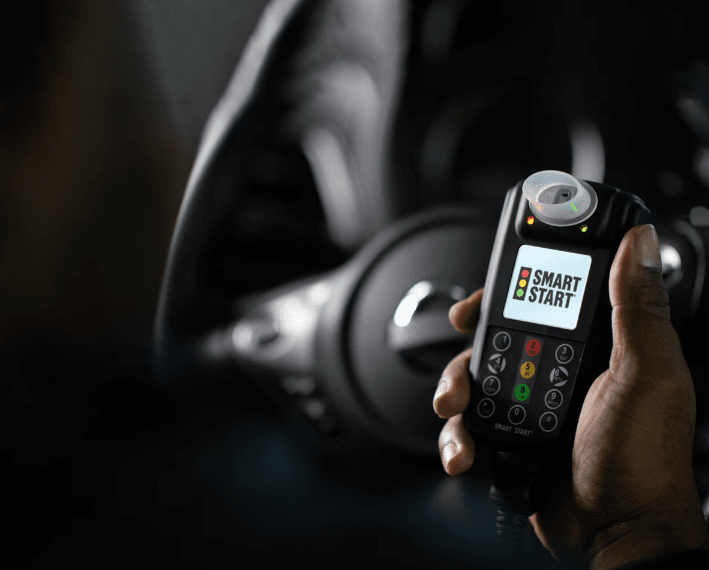
Alcohol interlocks, also known as alcolocks, are breathalyser devices fitted to vehicles which prevent the engine from starting if the driver has consumed alcohol above a specified threshold.

They are already used in several countries, including France, Belgium, Canada, Australia and the United States, primarily as a means of preventing repeat drink-driving.
RAC head of policy Simon Williams said the Government needed to move beyond its existing approach to tackling the problem.
“The Government has stated clearly that drink-driving is unacceptable, and that it’s committed to combatting such behaviour. These words now need to be followed swiftly by action – not least as drivers over the legal limit are responsible for around 1,740 deaths and serious injuries every year, the equivalent of four a day,” he said.
Williams argued that reducing the drink-drive limit in England, an option being considered by the Government, would not in itself address the problem of habitual offenders.
“Thousands of drivers have been convicted three or more times, so a fundamentally different approach is needed for habitual offenders,” he said.
The RAC’s review highlights evidence from international programmes demonstrating the potential benefits of the technology.
In California, research found that fitting alcohol interlocks within two years of a drink-driving arrest was associated with a 17% reduction in reoffending and an estimated 26% reduction in related crashes.
Evidence from France also suggests the benefits can continue after drivers complete an interlock programme. Reoffending rates were between 1.6% and 2.1% following participation, compared with 6% among drivers whose punishment had been limited to licence suspension.
In Florida, repeat offending fell by almost a third among drivers who had participated in an alcohol interlock programme compared with those who had not.
The RAC believes the devices offer a dual benefit, preventing offenders from driving while over the limit while providing an opportunity to address the behaviour behind their convictions through rehabilitation.
There is also public support for their introduction in the UK. RAC research found that 82% of drivers surveyed backed the adoption of alcohol interlocks, while separate research identified drink-driving as one of drivers’ biggest concerns about the behaviour of other road users. It was the leading concern among drivers aged 17 to 24.
Williams said alcohol interlocks were an established technology internationally and called on the Government to develop a scheme that combined casualty reduction with rehabilitation.
“Alcolocks are a preventative measure – they stop repeat offenders drink-driving in the first place, which other policy options can’t. But they can do more than this: international evidence shows that, when implemented effectively, they can also reduce the chances of offenders drink-driving again afterwards.
“While alcolocks would be new to the UK, they’re a tried-and-tested technology and trusted across the world.
“We stand ready to work with the Government in helping design an alcolock programme that delivers real benefits, both while the devices are fitted to drivers’ vehicles and in the period afterwards through proper rehabilitation.”
(Picture: Smart Start Interlocks)