New research from law firm Slater and Gordon suggests millions of UK road users may be unaware of key Highway Code rules designed to protect pedestrians, cyclists and other vulnerable road users.
Published in support of charity partner Brake’s Road Safety Week campaign, Safe People on the Move, the research highlights a concerning disconnect between recognising vulnerable road users and understanding the rules designed to keep them safe.
More than a third of respondents (41%) identified cyclists among the most vulnerable road users, while a third (33%) identified pedestrians. Yet when tested on key Highway Code rules designed to protect vulnerable road users:

- Only one in three respondents (31%) correctly identified that drivers should leave at least 1.5 metres when overtaking cyclists at speeds of up to 30mph. A further 31% selected two metres, while one in five (20%) did not know the answer.
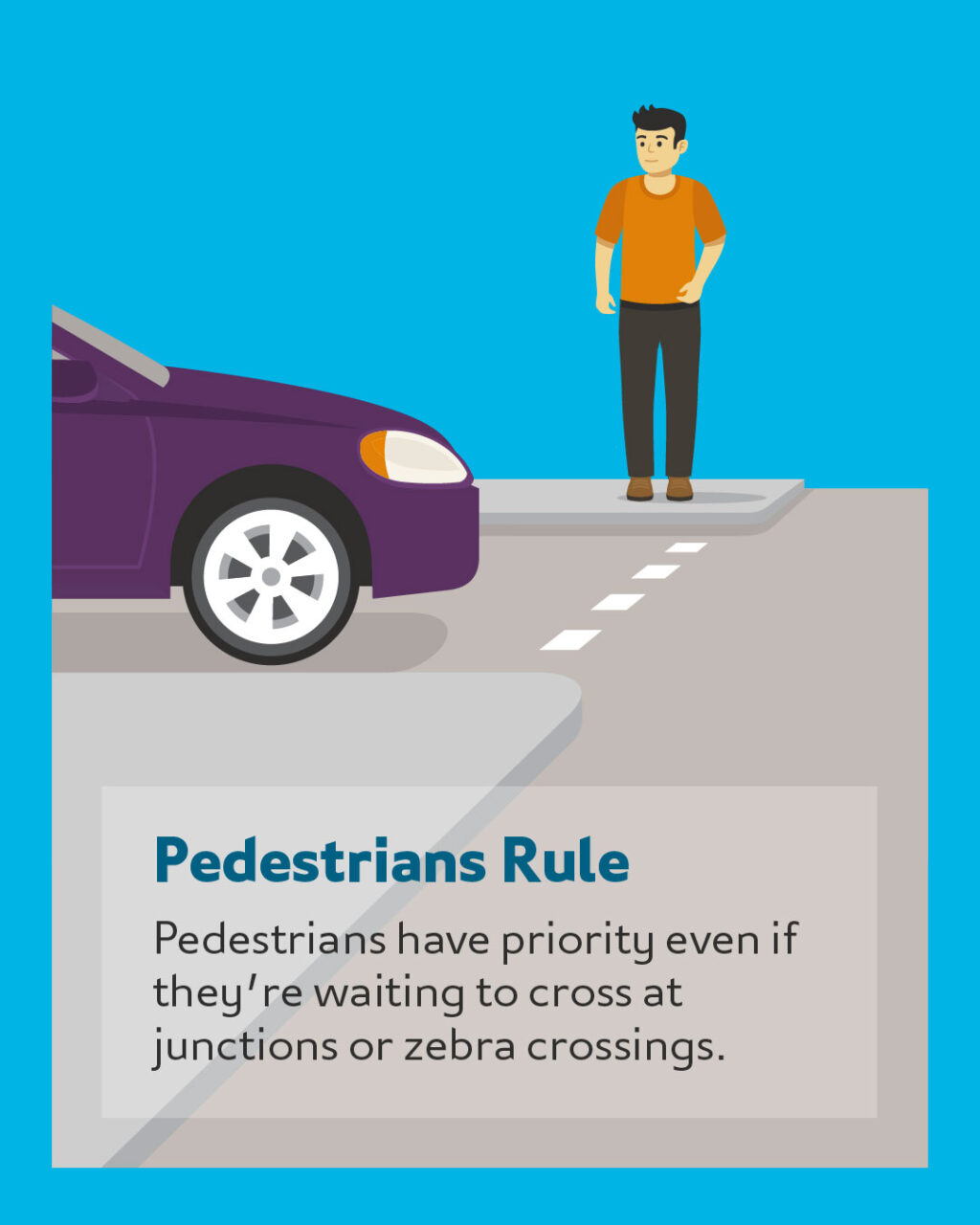
- More than a quarter of respondents (26%) failed to recognise that drivers should give way to pedestrians waiting to cross a road into which or from which they are turning. One in ten did not know the answer.
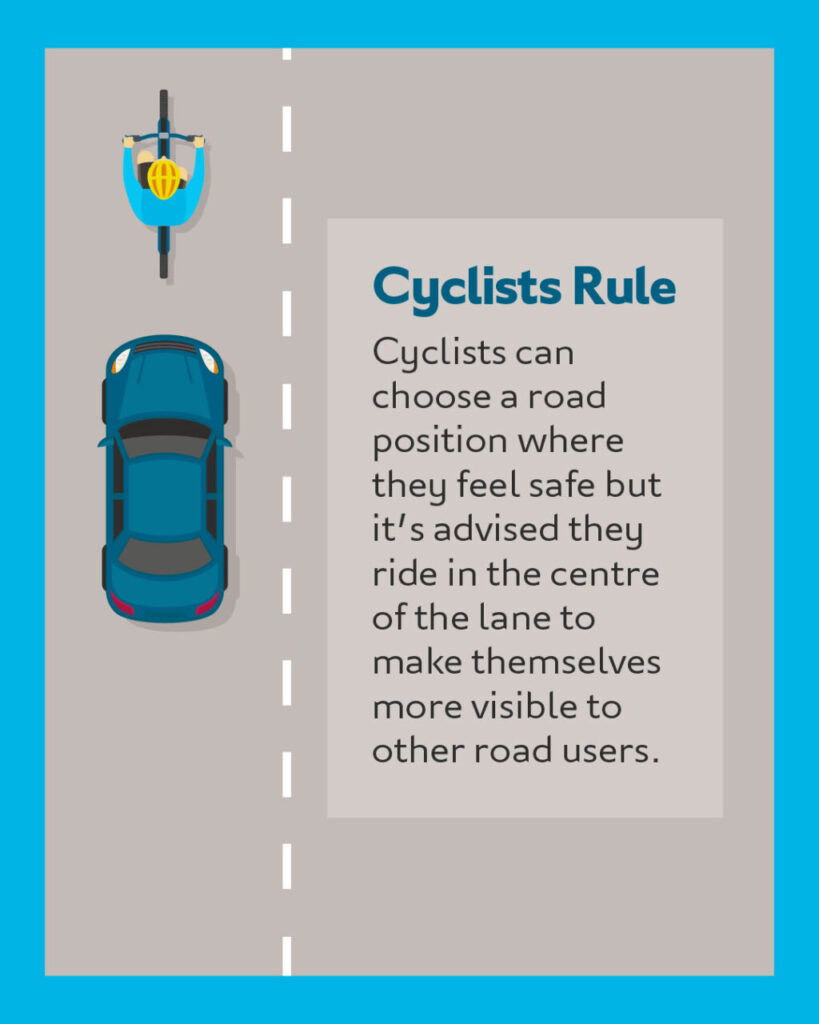
- A further quarter of respondents incorrectly believed that cyclists may not ride in the centre of a lane for safety reasons.
The findings point to a clear gap between recognising vulnerable road users and understanding the Highway Code rules designed to protect them. A lack of clarity around who should give way, safe overtaking distances and cyclists’ road positioning could contribute to unsafe interactions between different road users.
Published in support of Brake’s Road Safety Week campaign, the research highlights the importance of improving understanding of the rules and creating safer journeys for everyone.
The research also raises questions about public awareness of changes to the Highway Code introduced in 2022, including the ‘Hierarchy of Road Users’. The hierarchy places greater responsibility on road users who can cause the greatest harm to others, including drivers of larger and heavier vehicles, to reduce the danger they pose to more vulnerable road users.
However, the findings suggest some of the rules designed to protect vulnerable road users are still not fully understood, including giving way to pedestrians at junctions, leaving safe distances when overtaking cyclists and recognising when cyclists may position themselves in the centre of a lane.
In line with the Road Safety Week theme, Safe People on the Move, Slater and Gordon is encouraging road users to refresh their knowledge of the Highway Code and play their part in keeping roads safe.
Bob Miller, senior associate solicitor at Slater and Gordon adds:
“The research reveals a concerning gap between recognising which road users are most at risk and understanding the rules designed to protect them. More needs to be done to ensure road users understand the Highway Code and keep their knowledge up to date.
“These aren’t simply rules to remember for a theory test. They apply to everyday situations, from giving way to pedestrians at junctions to leaving enough room when overtaking a cyclist, and understanding them helps everyone use the road more safely.”
“While this message extends far beyond Road Safety Week, the campaign provides an important opportunity to put these rules back in the spotlight. Working alongside road safety partners including Brake, we want to remind everyone that we all have a responsibility to reduce danger and help prevent harm on our roads.
“It’s concerning that so many road users appear unclear about some of these key rules. Protections can only work effectively when people understand what is expected of them on the road.”
Ross Moorlock, CEO at Brake, also added:
“This year we have put people at the heart of Road Safety Week with our theme Safe People on the Move. We really want to highlight that we all have the right to travel safely – whoever we are and however we travel.
“It’s never nice to hear, but every day five people die on UK roads and many more sustain serious, life-changing injuries. More than half of these road deaths and injuries are people who walk, cycle and ride a motorbike. As a charity that supports thousands of road victim families every year, we sadly know too well how road crashes devastate the lives of everyone involved.
“We’re pleased to see this research shine a spotlight on some simple but essential rules we can all follow to help protect our most vulnerable road users. Whether we walk, wheel, ride or drive, we all have a role to play to keep our roads safe, and together we can make roads safer for everyone.”
(Pictures: Supplied by Slater and Gordon)