The Chartered Institution of Highways & Transportation (CIHT) is calling for a broader approach to road and transport safety that considers not only casualty statistics, but whether people feel safe and confident making their journeys.
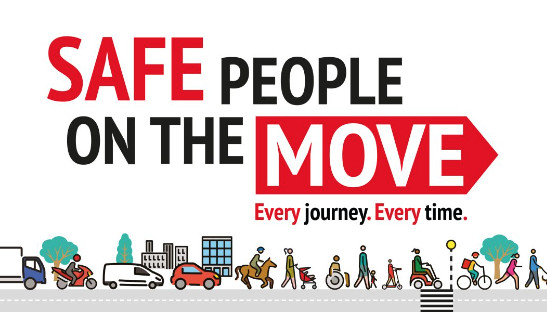
The call comes ahead of Road Safety Week 2026, which takes place from 15–21 November. Organised by Brake, this year’s campaign has the theme “Safe People on the Move”, focusing on how everyone who
walks, wheels, cycles, rides or drives has a part to play in making roads safer and protecting more vulnerable road users.
CIHT believes ‘Road Safety Week’ provides an important opportunity to widen the conversation about what a safe transport system looks like.

Sue Percy CBE, Chief Executive, CIHT, said:
“Road Safety Week is an important reminder that safety must start with people. Preventing deaths and serious injuries remains our overriding priority, but a truly safe transport system is also one that people feel confident using. That means looking beyond collision data alone and ensuring people’s lived experience helps shape how we plan, design and operate our transport networks.”
“Preventing people being killed or seriously injured must remain at the heart of road safety. But CIHT believes conventional collision and casualty statistics should be considered alongside evidence about how people experience the transport system.”
CIHT’s soon to be released work on perceptions of safety highlights how decisions about whether to walk, wheel, cycle or use public transport can be influenced by much more than recorded collision risk. Street
design, maintenance, lighting, visibility, the behaviour of other road users and the availability of support can all affect whether a journey feels safe.
The evidence also shows that experiences are not the same for everyone. Disabled and visually impaired people, older people, women and girls, and people from across all backgrounds can encounter barriers that
affect whether they travel independently, choose particular routes or travel at certain times.
To mark Road Safety Week 2026, CIHT is setting out five practical steps for transport authorities, planners, designers and operators.
1. Measure both actual and perceived safety
Collision and casualty data should be complemented by evidence on near misses, user confidence, accessibility, behaviour and whether people are changing or avoiding journeys because they feel unsafe.
Collecting this evidence can provide a more complete understanding of whether an intervention is working for the people expected to use it.
2. Embed lived experience throughout scheme development
Engagement with disabled people, women and girls, LGBTQ+ communities, older people and other users should inform planning, design, implementation and evaluation rather than being treated simply as consultation at the end of the process.
The evidence examined by CIHT demonstrates how different groups can experience the same transport environment very differently.
3. Assess transport environments at different times of day
Safety assessments should consider how places operate after dark as well as during daylight, including lighting, visibility, wayfinding, activity and access to public transport.
Transport for London’s use of night-time Active Travel Zone assessments provides an example of how these factors can be incorporated into established planning processes.
4. Treat accessibility and everyday maintenance as safety issues
Pavement parking, poorly maintained surfaces, overhanging vegetation and street clutter can turn apparently minor obstacles into significant barriers, particularly for disabled and older people.
Transport authorities should therefore consider effective maintenance and obstruction management as an integral part of creating safe and accessible networks.
5. Give people confidence that support is available when things go wrong
Operators should combine good physical design with visible staff, appropriate training, clear reporting arrangements and effective responses to harassment and anti-social behaviour.
Confidence in how incidents will be dealt with can itself influence whether people feel safe using transport services and facilities.
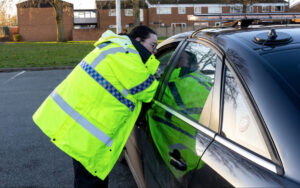
(Picture: Road Safety Week)