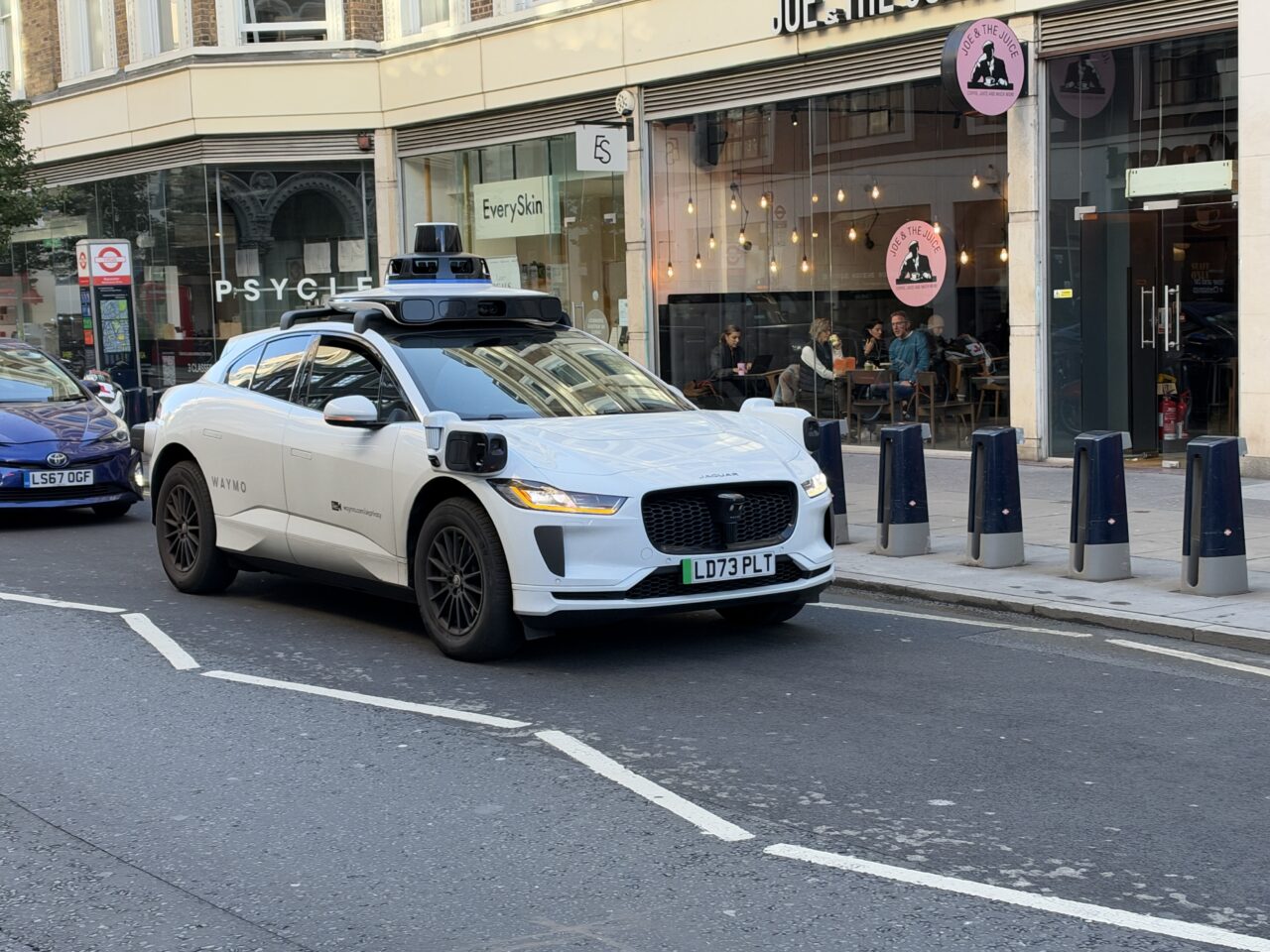
UK drivers remain among the most sceptical in the world about autonomous vehicles, with almost three-quarters saying they would feel uncomfortable travelling in a self-driving car, according to new international research by YouGov.
The survey, which examined attitudes towards driverless cars and public transport across eight countries, found that 73% of British respondents would feel uncomfortable riding in a self-driving car, compared with just 20% who said they would be comfortable.
Britain was the least receptive country surveyed, with France, Germany, Italy, Spain and the USA also recording significant levels of unease, at between 61% and 65%.

Attitudes were more divided in Poland and Singapore. In Singapore, 43% said they would be comfortable travelling in a driverless car, compared with 44% who would be uncomfortable. In Poland, the figures were 39% and 41% respectively.
The preference for human control was also evident when respondents were asked whether they would rather drive themselves or use a self-driving vehicle. Across the countries surveyed, between 11% and 26% preferred the autonomous option.
When compared with taking a conventional taxi or ride-hailing service, support for driverless cars increased, but human drivers remained the preferred choice in every country.
The research also highlighted concerns about sharing the road with autonomous vehicles. In most countries, between 54% and 67% of respondents were uncomfortable about sharing road space with self-driving cars. Larger vehicles attracted even greater concern, with only 15% to 28% comfortable sharing the road with autonomous lorries.
Despite the reservations, there was some optimism about the technology’s future capabilities. In almost all countries, more people than not believed self-driving cars would eventually become as safe as human drivers. Italy was the exception, with 48% believing autonomous vehicles would never reach that standard.
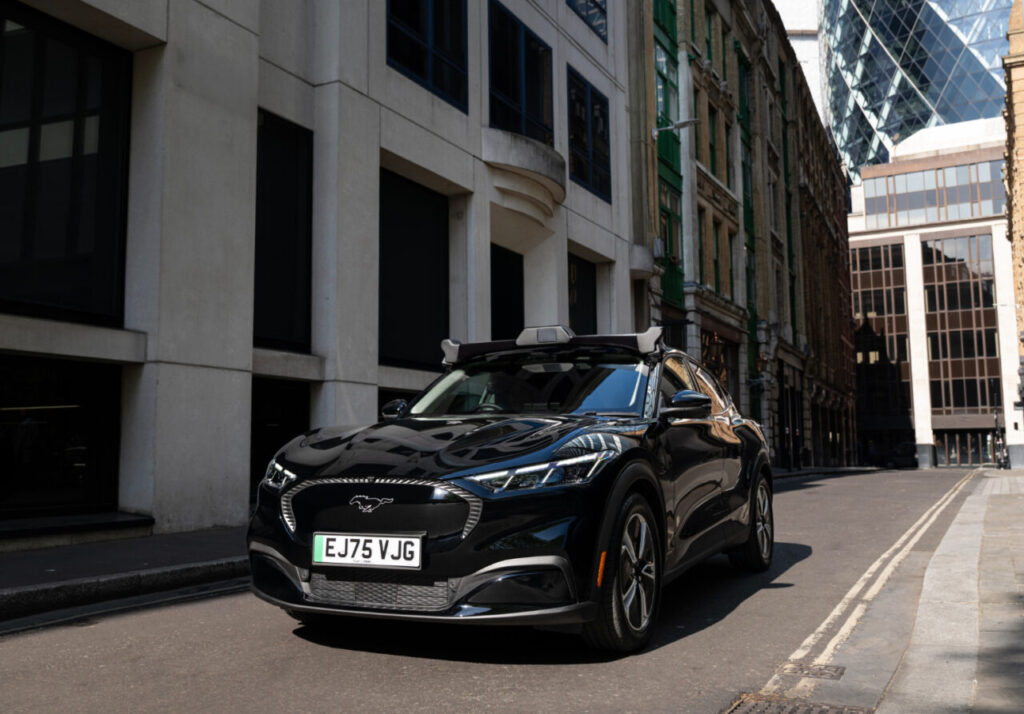
British respondents were also among the most pessimistic about the wider impact of autonomous vehicles, including their potential effects on the environment, the cost of transport, traffic congestion, the economy and society.
Across all eight countries, respondents generally expected driverless technology to have a negative impact on employment. However, there was more optimism about its potential to improve mobility for older people and those with disabilities.
Interestingly, attitudes towards autonomous public transport were somewhat more positive, particularly when it came to rail. While comfort levels for self-driving buses were broadly similar to those for driverless cars, people were more receptive to the idea of travelling on autonomous trains and metro systems.
In Britain, 22% said they would feel comfortable using a self-driving bus, while across the countries surveyed, between 39% and 46% were comfortable with driverless trains. Support for autonomous metro services was higher still, reaching between 41% and 57%.
The research also found that the presence of qualified staff on board trains, buses and metros significantly increased people’s willingness to use autonomous services, suggesting that retaining a human presence could help build public confidence.
Women were consistently less comfortable with autonomous transport than men across all eight countries, while older respondents also tended to be more sceptical.
The YouGov research was based on surveys of more than 8,300 people across Britain, France, Germany, Italy, Poland, Singapore, Spain and the USA, with fieldwork conducted between 6 May and 7 June 2026.
The full findings are available from YouGov’s international study into attitudes towards self-driving cars and public transport.
(Pictures: Olga Gonzalez; Wayve)