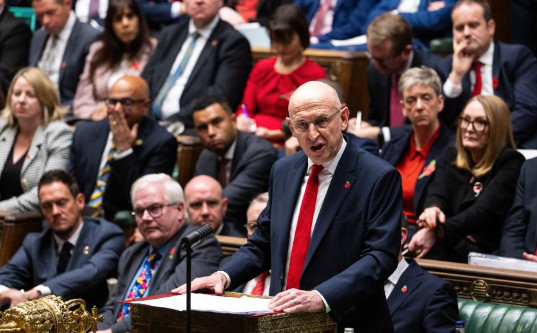
The highways and transport sectors have responded to yesterday’s Autumn Budget, the first under the stewardship of new Chancellor of the Exchequer John Healey, with calls for greater investment in transport technology, local roads and infrastructure, alongside concerns over costs for businesses and fleet operators.
Max Sugarman, Chief Executive of ITS UK, said:
“This Budget seeks to ease pressure on household finances and strengthen resilience against global economic challenges. However, there is little focus on transport investment and technology, which have a vital role to play in reducing the cost of living. Investing in transport technology, from modernising roadside infrastructure to smarter ticketing, can deliver significant benefits at relatively low cost, whilst strengthening the resilience of our networks at a time of growing external threats.”
David Giles, Chair of the Asphalt Industry Alliance (AIA), commented:
“The Chancellor’s Budget speech had little in terms of hope for local roads and was another lost opportunity to tackle the resilience issues that are all too evident to road users. The DfT reported last week that record funding produced record results, with nearly 7,000 miles of road resurfacing taking place this year. While it is a step in the right direction, this only equates to improvements to 3% of the 204,000 miles of local roads in England and Wales. More still needs to be done – and quickly – if we are going to end the pothole patch and mend cycle that has been a fixture for far too long and resulted in an £18.62 billion repair backlog.”

Janet Young, Director General of the Institution of Civil Engineers, added:
“Today’s Budget contained some welcome signals for infrastructure, including additional support for the National Wealth Fund and British Business Bank, greater powers for regional leaders to invest in local priorities, and its continued commitment to the Infrastructure Pipeline. Together, these measures show the government recognises the role that infrastructure certainty and investment can play in driving economic growth and attracting private capital. The key test, however, will be whether these commitments are backed by a clear plan for delivery.”
Karim Fatehi OBE, CEO of the London Chamber of Commerce and Industry, said:
“Going into this Budget, there were two clear objectives for London businesses: a meaningful reduction in the cost of doing business and making London more internationally competitive to help drive growth across the UK. The Chancellor failed to meet either of these objectives, using this Budget to make minor tweaks around the edges of the economy rather than address the fundamental obstacles to growth. There are some welcome developments that we have campaigned for, including progress on the Bakerloo line extension and changes to the Your First Home scheme that open it up to first-time buyers in London and the South. The 10 Year Plan for Britain must set out a serious vision for growth and recognise the importance of the capital to the UK economy.”
Richard Risdon, Mott MacDonald Group Strategy Director and Regional Managing Director for UK and Europe, remarked:
“Today’s Budget reinforces the central role infrastructure will play in the UK’s economic growth and resilience. From clean energy and housing to increased defence investment and the expanded role of the National Wealth Fund, there is a clear focus on mobilising investment in infrastructure and industries the UK will need for the future. What matters now is creating the conditions to turn those ambitions into investable, deliverable projects, with greater certainty for the organisations being asked to plan, finance and deliver them.”
Barney Goffer, UK Product Manager at Teletrac Navman, said:
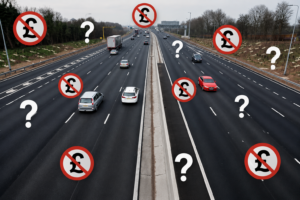
“Delivering on its ambitions will inevitably require additional tax revenue and the worry here is that the 5p fuel duty freeze won’t be continued despite lobbying from the RHA. With diesel prices currently over £2 per litre, the addition of fuel duty increases will cost operators several thousand pounds more per vehicle to run and these costs can’t simply disappear. They either get passed to customers and potentially lead to loss of contracts, or they hit the bottom line and reduce the ability to reinvest in new vehicles, in jobs, or the energy transition. This is a budget where the government has a chance to show early its intention to do things differently by not just freezing fuel duty again, but by finding a long-term solution that means this no longer hangs over the fleet industry every budget cycle, and in turn recognise the essential role operators play in keeping the country moving every day.”
Finally, Howard Cox, Founder of FairFuelUK, added:
“Thank goodness a smidgeon of common sense has prevailed. Freezing Fuel Duty is a victory for drivers, businesses, and sustained campaigning. But let’s be absolutely clear: a freeze is not a cut. Millions of drivers, small businesses, hauliers, farmers and tradespeople are already being battered by painfully high petrol and diesel prices. Simply deciding not to make those prices even worse through higher taxation is the very least the Government should be doing.”
(Picture: House of Commons)