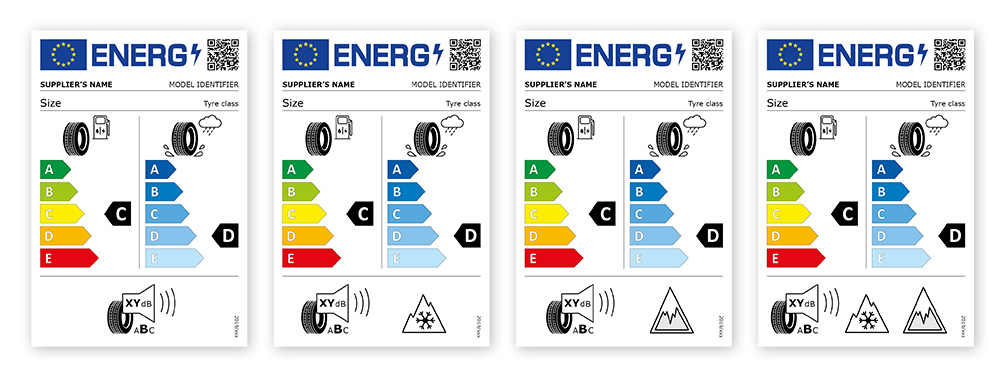
National Highways is reminding drivers to check tyre labels when buying new tyres, as they contain information on the performance of a tyre and can help with making informed decisions around what tyre is right for you.
Tyre labels, which have been legally required to be displayed or discussed when buying new tyres since 2012, provide vital information about grip, fuel efficiency and external noise. Yet new research shows many drivers are unaware of what these labels mean or how they can affect safety.
Tyres rated A for wet grip can stop a vehicle up to 18 metres sooner than those rated E – the equivalent of four car lengths or two London buses when braking at 50mph in wet conditions.

That difference becomes even more critical when considering how common front-to-rear collisions are on major roads. In 2023, data shows there were 6,577 collision incidents on motorways and major A roads. Of these, 2,927 (45%) were classified as front-to-rear collisions.
Advice on tyre labelling forms part of National Highways’ autumn T.R.I.P. campaign, which encourages drivers to Top-up, Rest, Inspect and Prepare before setting off on long journeys.
This season’s focus is on tyre safety, with a call to check the information on a tyre label when buying and always remember to check the condition of your tyres before any long journey (by inspecting tread, pressure and for any damage).
Tyre labels must be displayed or discussed when buying new tyres. However, new research commissioned by National Highways shows many drivers lack knowledge and understanding around the labels:
* 51% didn’t know tyre labels are legally required.
* 19% never conduct any research before buying tyres.
* Only 41% recall seeing a label or receiving one with their receipt.
* 30% say they don’t understand wet grip ratings well enough to make an informed choice.
Importantly, drivers should know that expensive doesn’t always mean better- tyre labels help you choose based on safety, not just price
Colin Stevenson, Road Safety Information Lead at National Highways, said:
“Tyres may look alike, but their performance can vary. Wet grip ratings can make a real difference in how quickly your vehicle stops in the rain.
“We’re not telling people to buy the most expensive tyre – a higher price doesn’t always mean better performance, especially in wet conditions. What matters is being informed, so you can make an informed choice on your tyres.
“And while tyre performance plays a role in stopping distances, it’s also important to drive responsibly, keeping a safe distance and adjusting to road conditions helps prevent rear-end collisions.”
(Pics: National Highways)