
Because the different disciplines within highways all have different needs and requirements, very few pieces of software truly meet the ‘nuances’ of how works are delivered across the sector.
That’s as true for ‘field service’ software as it is for ERPs. These options have their uses when used for what they were designed for, but they struggle with the operations side of contracts. A lack of targeted features can force highways firms to limp along with ill-fitting software, or to change the way they work.

A different option is Re-flow’s field management software.
Over the years working with businesses across the sector, Re-flow have added a lot of features and functionality that meets these more specific requirements, making it the ideal option for traffic management teams (and other areas of road working).
For example:
1. Users gain software that covers the full lifecycle of site work, and it fits within a wider ERP too
Re‑flow’s operations software covers the complete, end-to-end workflow of site work – from receiving jobs and creating estimates through to scheduling, delivery, billing, and reporting. While clients may use ERPs for financials, Re‑flow complements this setup by handling the operational detail that ERPs tend to miss.
2. Rates, contracts, and highway specific pricing are built in
Many highways’ firms maintain long-term contracts with councils or Tier 1 contractors, each with its own rate structures and naming conventions. Re flow allows teams to:
- Set contract-specific pricing
- Override item names so invoices match the client’s requirements
- Apply annual rate uplifts in bulk
- Use preset bundles for work packages
- Manage hire-based charges for items like temporary lights, complete with on/off-hire rules, uplifts, and discounts
These small but essential features prevent misbilling, rework, and payment delays.
3. Every job holds detailed data, attachments, and financial tracking
Jobs support a wide range of operational information, including multiple location formats used across UK highways. Attachments such as TM layouts, CAD drawings, safety documents, and site plans can be stored against each job, with permissions controlling who sees what.
Re flow tracks estimated, actual, and invoiced values separately. This gives teams the ability to compare performance, monitor profitability, and forecast future revenue based on planned work and hire durations.
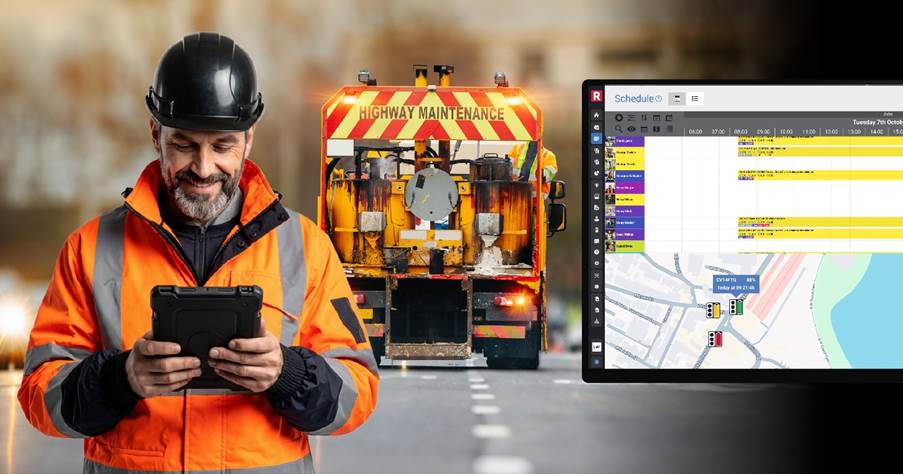
4. Scheduling, resourcing, and working rules reflect how highways teams operate
Because highways work relies on multi crew, multi vehicle operations, Re-flow’s scheduling tools let planners:
- View live availability for operatives and vehicles
- Drag and drop resources onto jobs
- Check skill requirements and qualifications
- Apply working time rules automatically
- Manage agency or temporary staff through “basic user” profiles
- Schedule by map, seeing live locations when telematics is in place
This helps schedulers build safe, compliant rotas that match operational reality, especially on short notice jobs or reactive works.
5. Guardrails that protect schedules, safety, and billing
Functioning as a powerful extra part of a business’s admin team, Re-flow automates checks and puts blockers in place. It applies controls at key stages, such as:
- Preventing scheduling if a client has exceeded their credit
- Blocking billing if key data, such as off hire dates, is missing
- Enforcing permit-to-dig approvals and preventing work until they’re granted
- Restricting users based on missing qualifications or expired certifications
These safeguards stop problems early and support safer, more consistent delivery.
6. In field delivery is clear, structured, and works fully offline
Re flow’s mobile app gives operatives everything they need for the day:
- Job details
- Assigned colleagues and vehicles
- Site locations and satnav links
- Required forms and checklists
- Documents attached to the job
Daily mandatory tasks, such as vehicle checks, can be enforced before any other work begins. Once synced at the depot, the app works fully offline, which is essential given that many highway sites have poor or no signal.
Tasks, forms, and workflows guide operatives through each step, ensuring work is recorded consistently.
7. Forms, automation, and safety intelligence support safer roadworks
Forms in Reflow are fully configurable, allowing companies to introduce dynamic data, conditional sections, and automated routing. They can:
- Trigger messages when risks are identified
- Update record sets automatically (for example, marking a vehicle as defective)
- Produce audit trails that show every change and submission
- Generate PDFs for client handover
- Link into a geo-tagged known hazard database that warns operatives as they approach risk areas
This approach allows site teams to work proactively rather than reactively.
8. Integrations and advanced features support complex operations across regions
Re flow integrates with ERPs and specialist providers across the highways sector. One example is live tracking for temporary traffic lights, including battery monitoring, and automated scheduling of battery changes in a collaboration with Trackit247.
Larger firms using multiple regional dashboards can also share resources systematically. This removes the need for ad-hoc phone calls, enabling teams in neighbouring regions to work together on shared contracts, with clear visibility and auditability.
Re-flow: highways-focused software built in close collaboration with the sector
Re flow’s tools are built for the specialist teams that keep roadworks moving – from traffic management and line marking to surfacing and other road sector disciplines. As the industry evolves, the platform evolves with it, adding features that make day to day work safer, clearer, and easier to manage.
ALL PICS: Re-flow