Westminster Council’s Chief Transport Adviser, Hugh Brennan, has warned that driverless taxis are a serious collision risk.
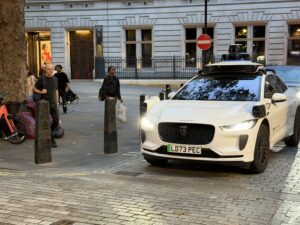
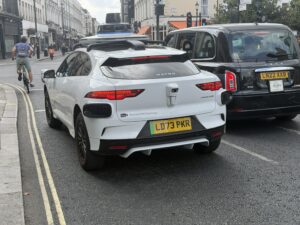
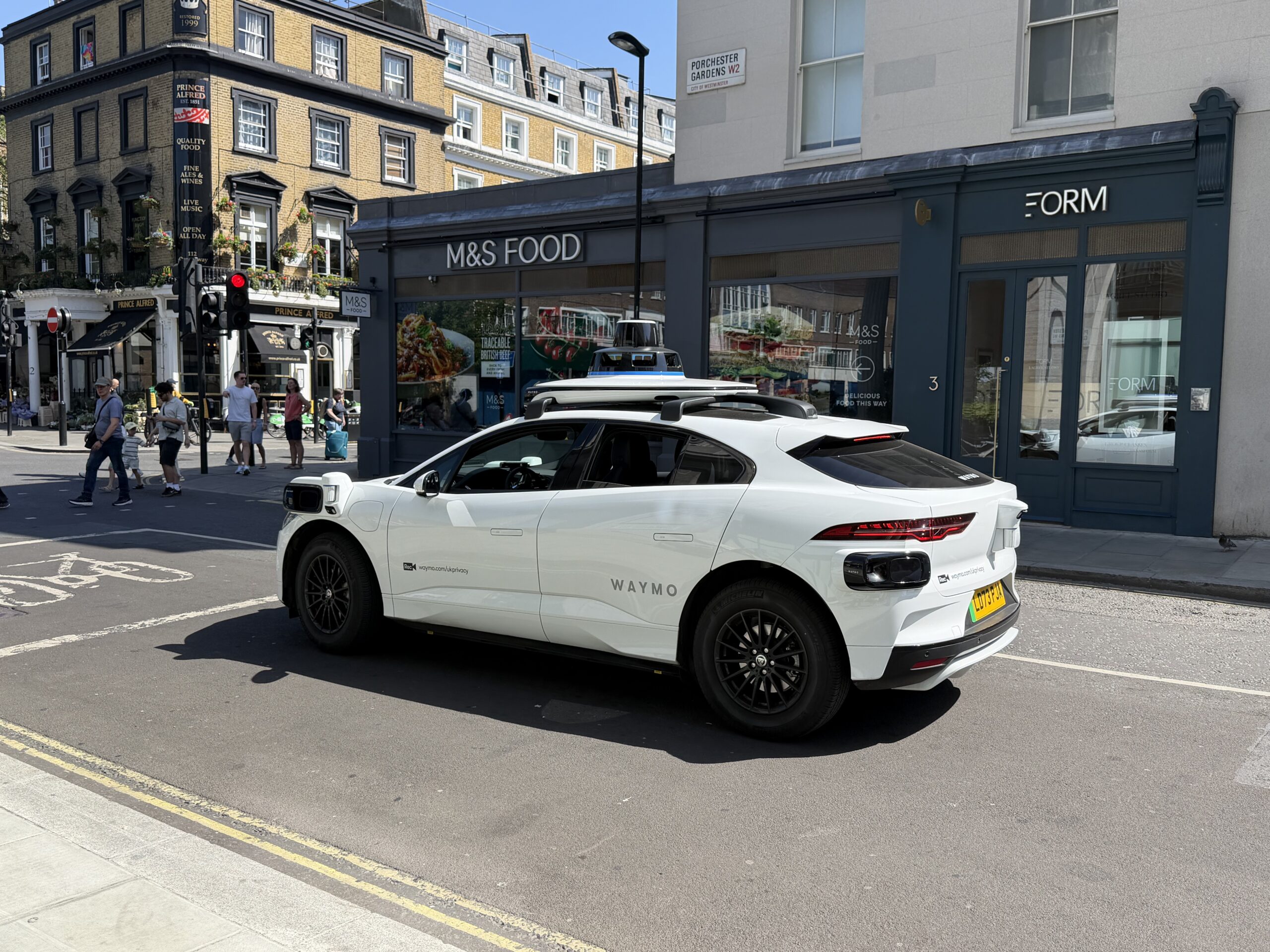
Waymo is trialling driverless Jaguar I-Pace vehicles in the capital, intending to roll them out to the public in September, says the Daily Telegraph. Although they are being tested with safety drivers on board, the robotaxis have been observed driving erratically.
In April, one of the vehicles drove into a crime scene in Harlesden where police officers were responding to a double stabbing.

Westminster City Council was warned by its chief transport adviser in March that autonomous vehicles could “behave unexpectedly” and potentially crash if their sensors failed to detect road signs covered by foliage.
In a briefing document obtained by The Telegraph, he raised concerns about whether the council would be prosecuted “in the event of a serious collision” caused by a sensor failure.
Waymo said it would “continue to rigorously validate our technology before opening our London service”. Westminster is one of 19 London boroughs in which Waymo vehicles are being trialled.
Hugh Brennan, the council’s transport programme manager, warned about safety risks posed by driverless private-hire vehicles (PHVs) in a briefing report to Max Sullivan, the then cabinet member for streets.
He claimed there was an “emerging concern” from the London boroughs and Transport for London (TfL) about the radar and Lidar sensors used by the autonomous vehicles (AVs) to detect their surroundings.
“One Lidar system detects and interprets road signs and carriageway markings to steer the vehicle accordingly,” he wrote. “The concern is that if a council sign is missing, obscured by foliage or a road marking is faded or painted over, but still visible at night, this could cause an AV to behave unexpectedly.”
Mr Brennan, who has served in his role for more than two decades, questioned whether “in the event of a serious collision” the council or TfL would be “liable to prosecution or will this remain with the operator”.
He wrote: “This profound concern must be addressed before AV PHVs operate on Westminster’s streets.”
He also questioned how driverless taxis would “interact with cyclists ‘weaving’ in traffic queues” and whether they would “cruise empty” between fares, as has been reported in San Francisco, adding to congestion.
And he raised “emerging concerns” about how they would cope with blind passengers or those with dementia “when compared to a human PHV or taxi driver’s more human attention”.
Despite his concerns, Mr Brennan said autonomous vehicles were still considered “likely to be safer than human driven vehicles … as there will be no drivers over the legal alcohol or drug limits nor distracted reading their phones”.
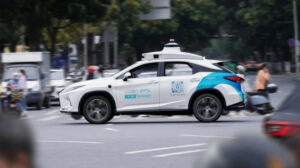
Meanwhile, in the US Waymo has temporarily suspended all freeway rides.
“Safety is Waymo’s top priority, both for our riders and everyone we share the road with. We have temporarily paused freeway operations, as we work to integrate recent technical learnings into our software and expect to resume these routes soon,” a Waymo spokesperson confirmed on Thursday, reports The Hill.
The autonomous taxi company said the pause only impacts freeway driving. Surface street operations remain active and unaffected.
According to Waymo, the company identified an opportunity to improve performance in specific freeway construction zone configurations and decided to pause operations while it evaluates the issue.
Waymo said its vehicles safely navigate construction zones more than 10,000 times each day and described the pause as an opportunity to further improve freeway performance.
The company expects freeway routes to resume soon.
(Picture: Olga Gonzalez)