Chancellor of the Exchequer Rachel Reeves’ announcement of the scrapping of the planned rise in fuel duty, as part of the Government’s efforts to reduce the cost of living as a result of pressure from the war in Iran, throws a lifeline to industries on the brink, says Scott Parsons, Transport and Logistics Senior Manager at business advisory and accountancy firm Menzies LLP, but a cost crisis is far from over:
“Scrapping the planned rise in fuel duty provides much needed relief for retailers, hauliers, and a hospitality industry currently on its knees. It comes at a point when geopolitical tensions in the Middle East have been driving inflation through supply chains and pushing fuel and energy costs to levels unseen before conflict began in February. Food price inflation is at 3% and forecast by some industry groups to approach 10% by the end of the year, and wage bills are adding further pressure to businesses that have very little room left to absorb it.”
“At the same time, the government is pressing supermarkets to voluntarily freeze the price of key groceries. But with fertiliser and animal feed prices surging since transport through the Strait of Hormuz was blocked, asking retailers to hold the line without addressing underlying cost burdens is asking them to sell goods at a loss. The government cannot credibly ask businesses to absorb rising costs on one hand while adding to them on the other. For sectors operating on tight margins, this is the broader problem: pressures of this magnitude do not stay within businesses but pass through supply chains and ultimately land on the consumer, posing a significant threat to the wider economy.”

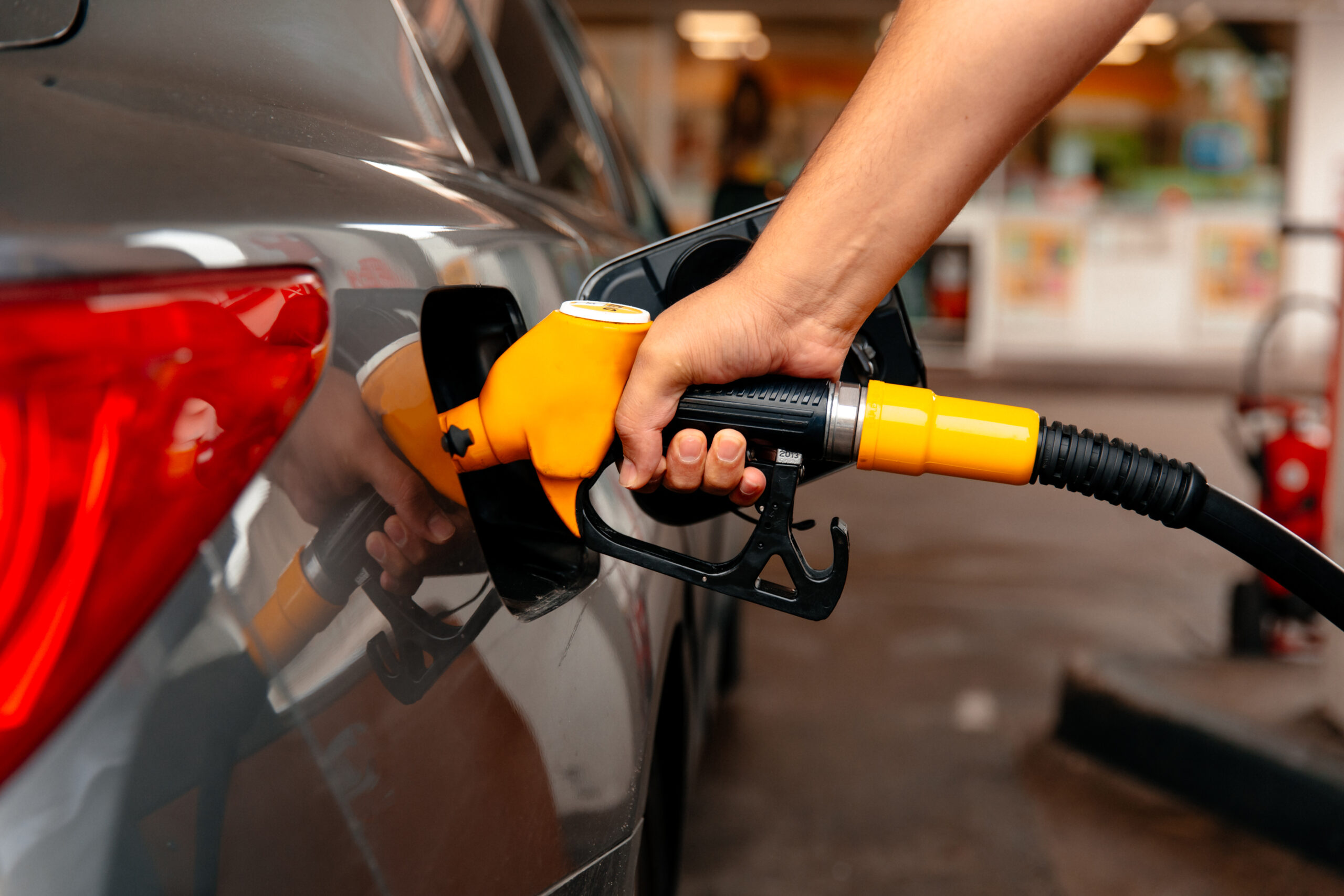
“This duty decision helps keep pump prices lower than they would otherwise be. For businesses already at breaking point, it is a step in the right direction and could prove the difference between goods reaching shelves affordably and the shortages and hikes that hit hardest those with the least to spend.”
(Picture: Yay Images)