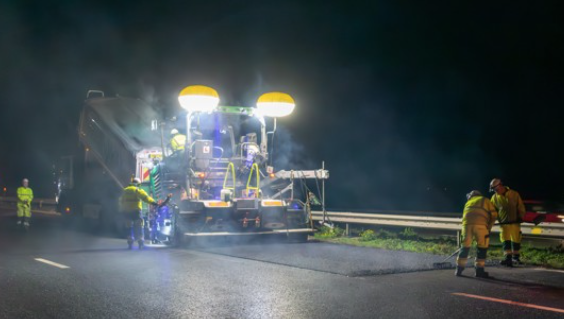
National Highways will be trialling new low carbon initiatives as part of a resurfacing scheme across the M5 Huntworth Viaduct near Bridgwater in Somerset.
The resurfacing work follows similar schemes between junctions 28 and 30 and the M4 in Wiltshire last autumn and winter, and will see low carbon materials and techniques employed by contractors FM Conway, along with the use of electric plant vehicles.
A highly modified binder will be used in the road surface to improve resistance and durability, making CO2 savings by reducing the need for future interventions

The scheme will also see the employment of fuel-free plant machinery, including an electric-powered low loader, paving machine, sprayer and site welfare.
The project will be carried out in phases, starting with overnight southbound closures between junctions 24 (Bridgwater) and 25 (Taunton), including the junction 24 entry slip road, from this Sunday (14 June) until Wednesday, 15 July.
Further overnight southbound closures will follow between 19-30 July and northbound closures between 2-6 August, interspersed with work to replace road markings and studs along the M5.
The resurfacing is part of a significant investment in the M5 in the South West, including:
- Ongoing strengthening works around the St Georges Railway Bridge near junction 21, as part of a £50 million refurbishment scheme;
- £1.1 million barrier renewal scheme completed last year between junctions 22 and 24;
- £2m of southbound resurfacing completed last year in Gloucestershire and South Gloucestershire;
- a £5m southbound resurfacing and technology scheme between Cullompton and Exeter;
- a resumed £5.9m drainage scheme near junction 26, which is due to complete before the summer holidays;
- safety barrier renewal works between junctions 29 and 31.
Steve Aldridge, National Highways Project Manager, said:
“We’re changing the way we work to decarbonise construction on our roads, a crucial challenge of helping the UK to thrive as a low carbon economy.
“Together with our supply chain partners we’re taking positive steps towards a more sustainable future and projects like this in the South West will result in significant carbon savings, improved roads for drivers, and quieter roadworks for our neighbours.”
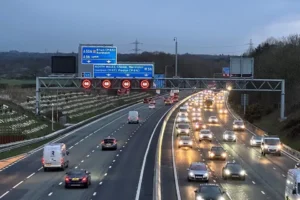
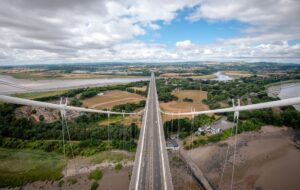
(Picture: National Highways)