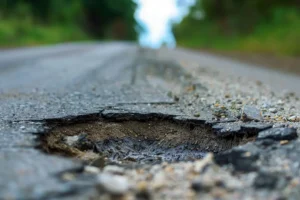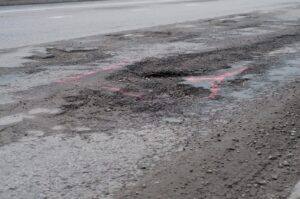
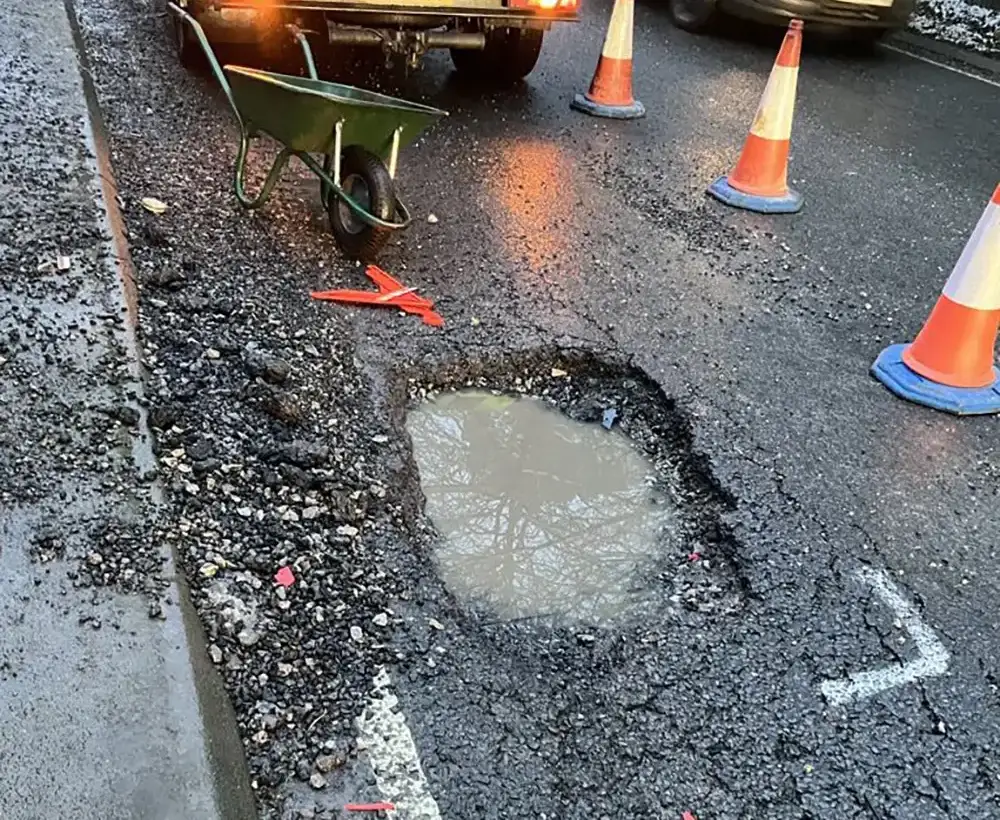
In February 2026, the RAC recorded an average of 225 pothole-related breakdown reports every single day – more than five times the daily average of 43 seen across the whole of 2025. In that month alone, 6,290 drivers contacted the RAC after hitting a pothole, compared to 1,842 in February 2025, says Richard Moss, Road Repair Expert at highway maintenance specialist, Instarmac.
Potholes have long been cemented as a number one public menace, often dominating discourse in the run-up to local elections. The problem is made worse by the scale of the repair backlog, meaning councils have become an easy target for seemingly falling short of tackling the issue in local communities – or at least
appearing to – as more repairs fail, more potholes reappear, and the taxpayer is left footing the bill.
It’s now been found that there’s a record £18.62 billion pothole repair backlog, with the government threatening to withhold funding from councils that fail to fix the issue. This immense pressure on councils is compounded by a 91% rise in pothole compensation claims over just three years, climbing from 27,731 in 2021 to 53,015 in 2024.
So, what’s the right response – and is it as simple as an increase in funding? The government seems to think so, announcing £1.6 billion for pothole repair in 2025-26, with a longer-term commitment of £7.3 billion over four years. On paper, that sounds substantial. But how that money is used to get the job done will be the linchpin that fixes Britain’s roads for good.
The scale of the problem
The data makes for grim reading. The RAC Pothole Index shows that drivers are now 1.55 times more likely to break down due to a pothole than they were in 2006, when records began. The RAC attended 26,048 pothole-related breakdowns in 2025 – up 15% on the year before – and 20% more punctures in early 2026 than the same period in 2025, a strong indicator that potholes are taking an increasing toll on tyres too. When a breakdown involves anything more serious than a puncture, drivers face repair bills of up to £590.
Compensation claims tell the same story. Claims submitted to 177 local councils rose 91% in three years, from 27,731 in 2021 to 53,015 in 2024. Yet only 26% of claims were settled, with the average payout of £390 falling well short of the £590 average repair bill – leaving successful claimants £200 out of pocket. For those whose claims are rejected, the cost lands entirely with the driver. This is the human cost of a system that repairs potholes too slowly, too temporarily and too often more than once.

To top it all off, the Asphalt Industry Alliance (AIA) puts the current repair backlog at a record £18.62 billion – a figure that would take 12 years to clear at current funding levels. That makes our national response to pothole repair not just a matter of funding, but a matter of speed to correct the course at a pace where taxpayers see
the difference they are paying for.

Getting the response right
The question of how much is spent on pothole repair and the question of how that money is used are inseparable, and the second question doesn’t get the attention it deserves.
A reactive cycle of temporary repairs – quickly applied, quickly failing – does nothing to eat away at the immense pothole backlog, but does plenty to eat into a budget. Every pothole that reappears within weeks of being filled represents a wasted repair, a repeat callout and a further erosion of public confidence in local highways teams.
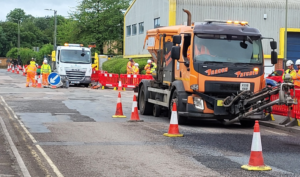
Public perception matters here, too. One of the most persistent frustrations drivers express isn’t simply that roads are bad – it’s that they see little evidence of anything being done about it. When repair work requires road closures, significant plant and large maintenance crews, the visible disruption signals action – but when closures reappear or take too long, it has the opposite effect.
Speed of response is itself a tool for restoring confidence, with a pothole reported and filled within days, rather than weeks, telling residents that their council is on top of the problem. It also prevents a minor defect from becoming a major one, reducing the cost of the repair and the likelihood of a compensation claim.
The three solutions to permanent repair
In practical terms, getting the response right means addressing the problem at three levels. The first is preventative maintenance – surface dressing and drainage improvements that stop potholes from forming in the first place. Filling potholes, without sealing the roads that will become tomorrow’s potholes, is fighting a losing battle. Water is the primary cause of pothole formation, so preventing it from penetrating the surface is far cheaper than repairing the damage once it has.
The second is resurfacing roads that have gone beyond the point of reasonable repair. Repeated patching of structurally compromised road surfaces is a false economy – each repair buys less time than the last, and the cumulative cost quickly exceeds what a full resurfacing would have required. Councils with access to multi-
year funding settlements, as the current government has provided, are now in a position to plan and prioritise resurfacing programmes rather than lurching from one emergency pothole to the next.
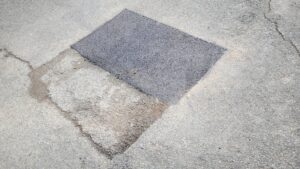
The third is permanent, fast repair methods for the potholes that do appear. Permanent cold-lay repair products and bedding mortars have changed what’s operationally possible on a constrained budget. A two-person crew can carry out a durable, permanent repair without hot works, road closures or specialist equipment – faster, cheaper per repair and with a service life that removes the costly repeat-visit cycle. Critically, that speed of response means a reported pothole can be resolved quickly, visibly and permanently. Councils that specify repair quality, not just repair volume, will see the difference in their claims data long before they see it in their budgets.
With a record backlog, constrained budgets and a government watching how every pound is spent, our communities can’t afford to keep making the same repair twice. Prevent where you can, resurface where you must and repair permanently where you do. The funding is arriving – the question is whether it’s used in a way that will actually result in roads our communities are proud of.
(Pictures: Ed Miller/Highways News; Instarmac)