A start-up has argued that it should be possible to add billions to the local economy by reviving a rejected scheme to build a tunnel through the Pennines. The company has also claimed that it can be achieve that for a fraction of the expected cost by copying a Scandinavian method using explosives rather than tunnel-boring machines, says The Times.
“We’ve concluded that it’s possible to dig the tunnel as much as 90 per cent cheaper than the government thought,” said Michael Dnes, former head of future roads technology at the Department for Transport (DfT) and co-founder of Future Works.
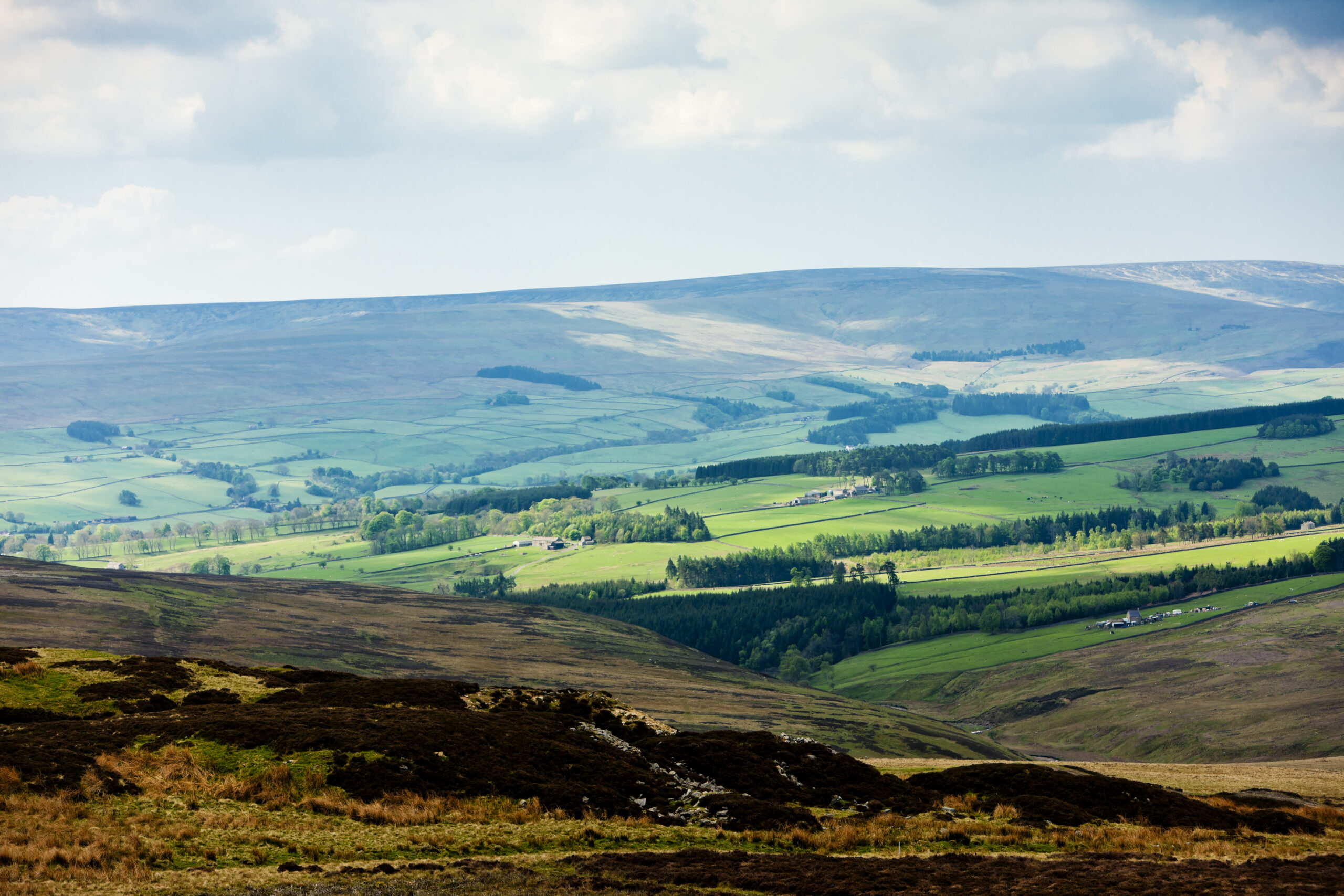
There are two ways to drive from Sheffield to Manchester. You can go over the Pennines, on bendy roads regularly closed by weather or landslides. Or you can go around the Pennines, on a long northern diversion. But what if we could (cheaply) build a third way, under the Pennines, by blasting a dual carriageway through the mountains?

After working with Norconsult, a Norwegian engineering consultancy, he believes the tunnel could be blasted, making it “jaw-droppingly cheap” and allowing it to be financed privately through a toll road.
Sheffield and Manchester are the largest neighbouring cities lacking a direct dual carriageway link. A DfT study estimated that properly connecting the cities could result in £500 million of annual productivity improvements in Manchester alone, but doing so would cost more than £10 billion.
The plan was rejected. Dnes was struck, though, by the disparity between tunnelling costs in Britain and Scandinavia. Laerdal, the world’s longest tunnel, was built in Norway for considerably less than the amount spent on planning permission for the still incomplete Lower Thames Crossing.
The difference is partly down to the methods used. In the UK, where tunnels are often dug through clay, engineers use long and complex tunnel boring machines. In the hard rock of Norway they prefer to drill and blast.
According to Norconsult, the geology of the Pennines matches areas already tunnelled in Norway, making it plausible that Scandinavian techniques could work. Establishing this is actually the case will require surveying work, although we do know that 19th-century rail tunnels in the Pennines were excavated using gunpowder.
John Corcoran, the outgoing chair of the British Tunnelling Society, said the idea was “definitely worth further investigation and consideration” as the “financial advantages would be huge”.
“I recently visited a drill and blast project in Norway and was extremely impressed with the efficiency of construction. It was incredibly lean, but also highly effective.”
Dnes founded Future Works with the aim of developing the proposal and getting it approved, before selling it on.
“There’s all these construction people who take a shovel-ready project and get it going,” he said. Dnes proposes to handle the shovel-readiness.
One of his biggest challenges has been convincing people that the idea was serious. “The proposition seems genuinely too good to be true,” he said.
“It strains credulity to think we can save 80-90 per cent on tunnelling costs. But the fact remains that Norwegians are building dual carriageways 400m under the sea for less than we build them on land, so belief is justified.
“This really is a serious technology that’s been used for building more than a thousand tunnels in Scandinavia, and that from what we can tell from desk research, it can work here and can make a big difference to what it’ll cost.”
(Picture: Richard Semik)