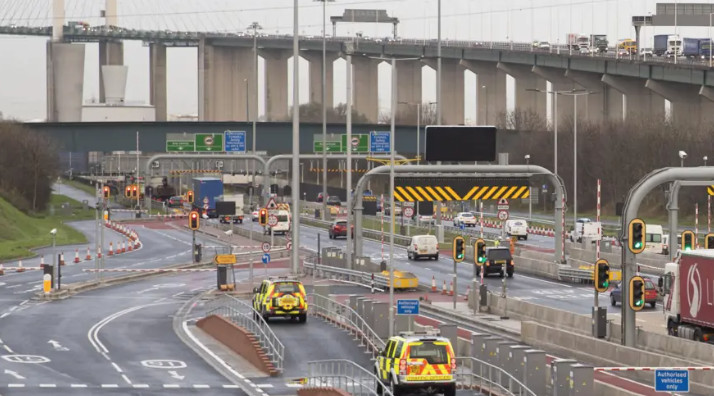
Dartford Crossing tolls should be suspended at times of high congestion caused by roadworks, according to Edmund King, president of the AA.
Mr Kind has called for the £3.50-per-crossing charge for using the Thames crossing to be lifted whenever roadworks or accidents caused tailbacks on the bridge or the approaches to its associated tunnels reports the Telegraph.
It comes after The Telegraph revealed that the crossing, used by over 180,000 vehicles per day, had cost motorists a record-breaking £189 million over the past year – a figure which jumped by £50 million, or 35 per cent, from the previous year.
Part of the increase in toll income was driven by Labour ministers raising the crossing toll by 40 per cent for car drivers last September.
“If drivers are forced to pay a charge to use the Dartford Crossing, then it is only fair that the charge should be lifted if delays are caused by road works or highway authorities not clearing incidents within a set time,” insisted Mr King.

“Otherwise, drivers are paying ‘money for nothing’ and getting no value from their payment,” he continued, calling on the Government to deliver a “fair deal” for motorists.
He argued that money given to the government by drivers for using the Dartford Crossing was arguably a payment in exchange for a service.
In 2009, Karen Dunnell, the then national statistician, explained to the House of Commons transport committee that “bridge toll charges are payments made for vehicles to use the roads within a defined zone”, adding that these are “therefore classified as payments for a service”.
Lifting or reimbursing tolls when traffic congestion within the control of the authorities builds up is a system that has been successfully introduced in Italy.
A Department for Transport (DfT) spokesperson said:
“Charges were increased last September to keep the crossing safe and running smoothly, as it’s now being used by far more vehicles each day than it was built for.
“Every penny of Dart charge revenue is reinvested in transport projects, including those benefitting people across Essex and Kent such as supporting the Lower Thames Crossing, which reduces the burden on the public purse.”
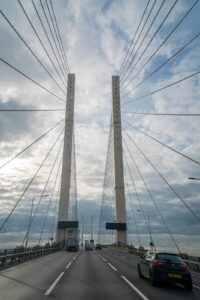
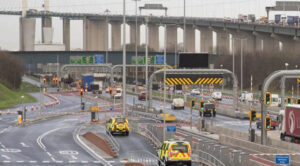
(Picture: National Highways)