New data from Persistence Market Research predicts the global connected vehicle cloud market to reach £425 billion by 2033.
The forecast points to continued growth in cloud systems used to manage data, software updates, and digital services in connected vehicles. The research firm expects the market to grow at a compound annual growth rate of 13.2% over the period, says Security Brief.
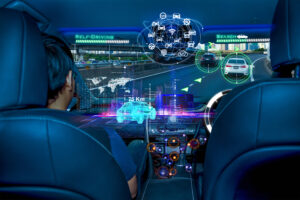
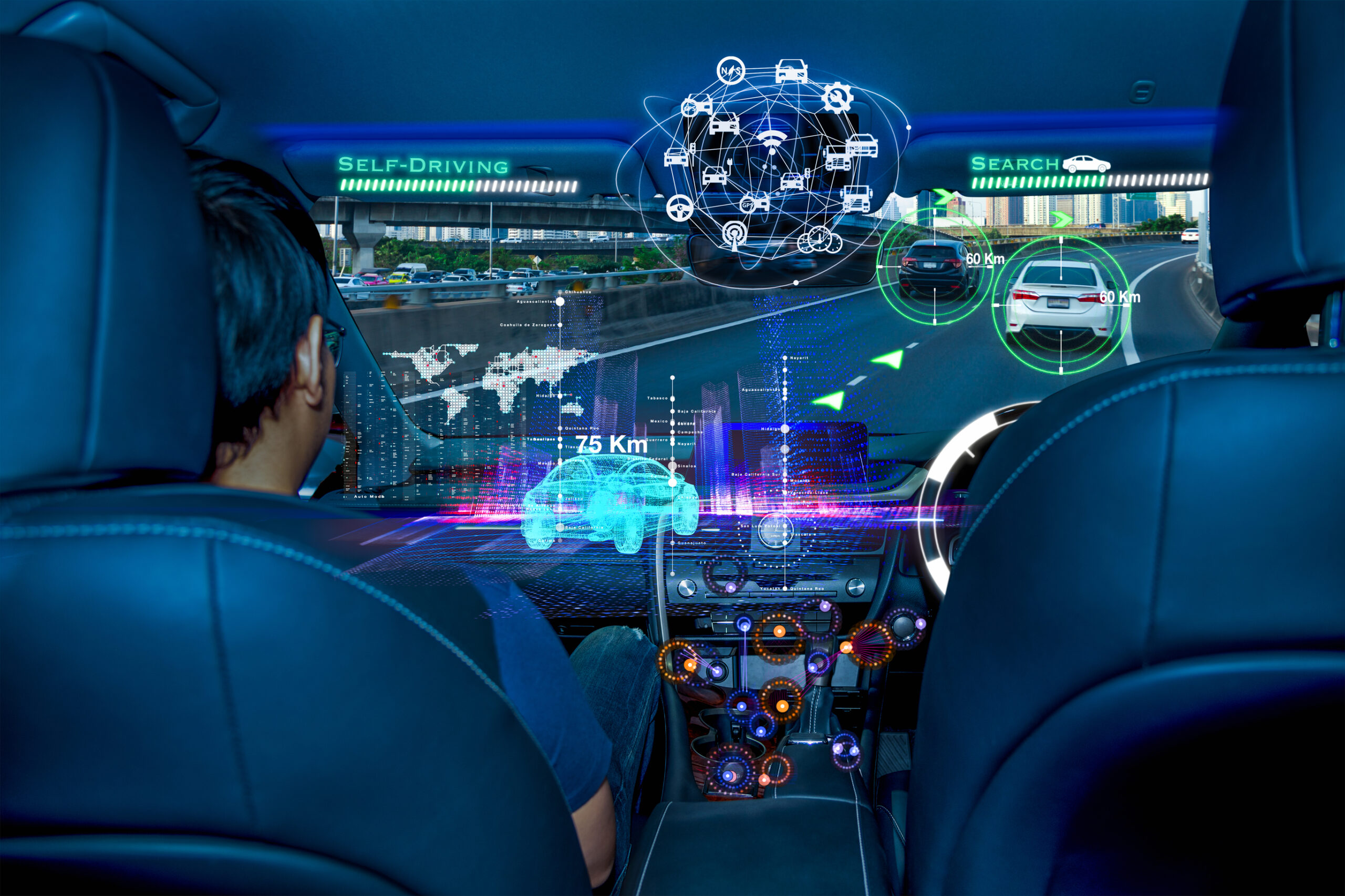
Automakers are moving away from vehicle architectures in which functions are fixed at the point of manufacture. In their place, software-defined vehicle designs shift more control to software and centralised computing systems, allowing features to be updated remotely after a car is sold.
That change is increasing demand for cloud platforms that can handle over-the-air software deployment, diagnostics, communications, and the flow of information between vehicles and external systems. It also supports a broader move by manufacturers to keep adding functions and services throughout a vehicle’s life.
One of the clearest signs of that transition is the push towards standardised software and electronics. Honda and Nissan plan to jointly develop standardised electronic control units, operating systems, middleware, and vehicle-control software for next-generation vehicles planned from fiscal 2029 onward.
The arrangement reflects a broader industry effort to simplify development and reduce fragmentation in vehicle software stacks. As manufacturers build cars around common digital platforms, cloud systems become more important for distributing updates, managing fleets, and supporting new applications.
Artificial intelligence is also changing the role of connected vehicle platforms. Earlier connected car systems mainly covered navigation, tracking, diagnostics, and remote locking, but automakers are now exploring how cloud-based AI can analyse vehicle behaviour, identify maintenance needs, and tailor digital services to drivers.
Large volumes of vehicle data can be processed centrally, giving manufacturers a way to refine software models over time. That is drawing attention to the AI-defined vehicle, in which systems adjust to driver preferences, traffic, road conditions, and patterns of use.
(Picture: Suwin Puengsamrong)