The Department for Transport has confirmed it will legally protect a series of marketing terms associated with automated vehicles, preventing manufacturers from describing driver assistance systems as “self-driving” unless they have been officially authorised under the Automated Vehicles Act 2024.
The announcement comes as the results of the automated vehicles: protecting marketing terms’ consultation were published this week. The consultation was launched on 10 June 2025 and ran until 1 September 2025. The outcome summarises the responses received and sets out the government’s response.
According to the DfT’s Centre for Connected and Autonomous Vehicles (CCAV), the distinction between self-driving/automated driving systems (ADS) and advanced driver assistance systems (ADAS) is crucial. The law sets out a safety assessment process to determine whether a vehicle can safely drive itself without being controlled or monitored by a human. This process would be undermined if businesses are able to claim that their vehicles are self-driving without getting their vehicles authorised or listed.
Furthermore, drivers must understand the vehicle’s capabilities and their legal responsibilities. Marketing that describes an ADAS feature as self-driving or creates confusion about its capabilities is dangerous: it can mislead drivers into thinking that they do not need to pay attention to the road.

Misleading marketing also risks undermining public trust in self-driving technologies and fair competition with businesses whose vehicles have successfully undergone the self-driving safety assessment process.
A clear majority of all respondents agreed that certain terms should be protected for authorised self-driving vehicles.
One research organisation noted:
“We are of the view that specific terms should be protected when used in relation to automated vehicles. Research evidence consistently shows that the distinction between driver assistance systems and self-driving technology is not well understood by the public. In our view, protecting certain terminology is a necessary step to ensure clear communication about the functionality and limitations of these technologies, thereby supporting informed consumer understanding and improving overall road safety.”
Those who disagreed were asked why they disagreed. The reasons given were broadly that existing laws are sufficient, that the focus should be on driver responsibility and education and that regulation stifles innovation. As one vehicle manufacturer put it:
“This approach risks creating confusion, stifling innovation, and diverting attention away from where regulation matters most: ensuring clear communication and safe system design. We believe the offence already established under section 79 of the Automated Vehicles Act, together with existing consumer protection laws, provides a more effective and future-proof safeguard.”
Respondents agreed that protected terms should only be used for a vehicle whose automation system has been officially authorised as meeting government safety standards. When a vehicle is authorised, legal responsibility for driving will transfer from the driver to the authorised self-driving entity. This was seen as a crucial distinction, which provides legal clarity in the case of an incident.
One safety and road user organisation observed:
“In recent years, assisted driving systems (level 2) have been allowed to automate more and more driving tasks to assist the driver in performing dynamic vehicle control. Notably, the advanced assisted driving systems (in specific DCAS (UN R171) and especially its 01 series of amendments) may act very similarly to automated vehicles, with the main differences stemming from the role of the driver, as drivers remain ultimately responsible for the vehicle while using assisted driving systems, whereas this responsibility shifts to the system in automated vehicles.
“It is, therefore, important that drivers are aware and reminded that only in automated vehicles the system becomes responsible, and that in all other vehicles (including level 2 DCAS vehicles) the responsibility remains with them. To prevent driver (mode) confusion, it is important that the listed terms may only be used in the context of systems/vehicles/situations where the automated/autonomous driving system is truly in control and responsible.”
Click HERE for the full outcome of the consultation process.
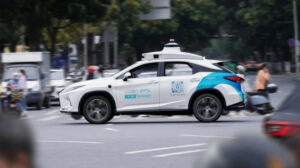
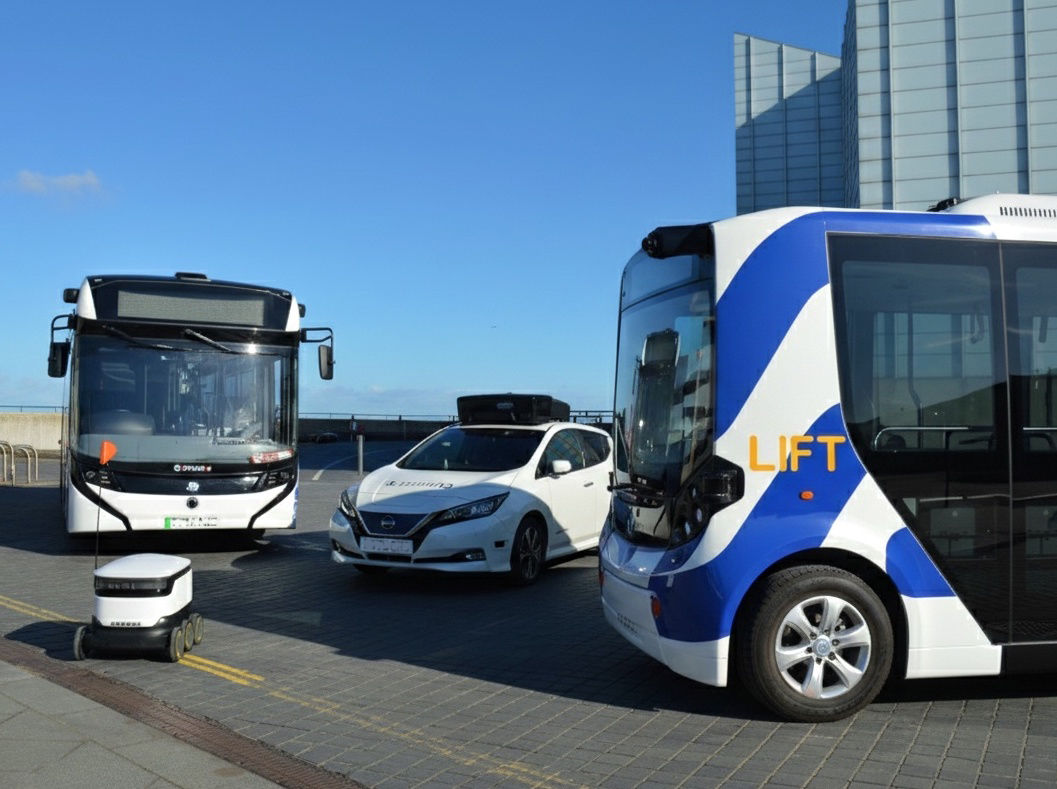
(Picture: Cars of the Future)