A newly published report by analysts at HSBC suggests that the potential market for driverless taxis was “widely overestimated” and warned that it could take years before robotaxi fleets began returning a profit,
The idea that robotaxis would be more profitable than their human-driven counterparts was based on a misconception, says Business Insider. Although robotaxi operators do not have to worry about the cost of paying a driver’s wage, they said that driverless taxis face a slew of “overlooked” extra costs that would likely cut into profits.
According to HSBC’s analysts, those include parking, charging, and cleaning fees, as well as teams of remote operators to intervene when things go wrong.
“When we factor in these costs, we believe robotaxis won’t be break-even on a cash flow basis until 7-8 years after launch,” the analysts wrote, adding that projections for robotaxi revenues vary from the “ambitious to the unrealistic.”
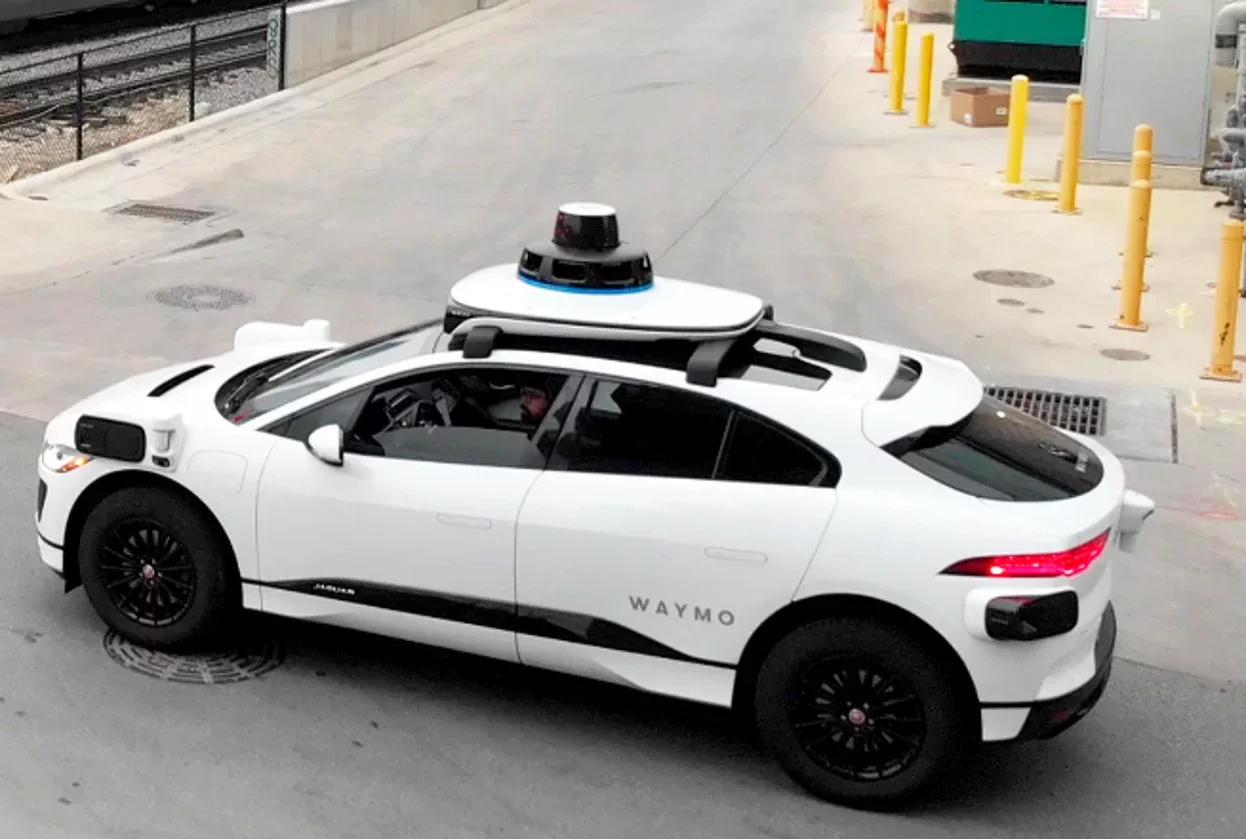
Amid the hype, driverless taxis are gradually becoming a reality. Tesla finally launched a pilot of its robotaxi service in Austin last month, and Alphabet-owned Waymo’s autonomous Jaguar I-Paces have provided over 5 million paid rides over the past three years.
However, the division of Alphabet that includes Waymo continues to lose billions of dollars a year, and analysts estimate that Waymo’s vehicles, which are outfitted with expensive sensors and lidar arrays, cost around $150,000 each.
The economics of Tesla’s robotaxis are unclear, but Musk has suggested that the company’s decision to use cameras and AI rather than lidar means they are cheaper to run than Waymo’s.
Despite this, HSBC’s analysts said the automaker faces numerous challenges in scaling its autonomous ride-hailing operation, ranging from regulatory barriers in China and Europe to upgrading the roughly 5m Teslas on the road with hardware that is too old to run the company’s robotaxi software. They estimated that Tesla’s robotaxi fleet would reach 20,000 to 25,000 cars by 2030, rising to 75,000 by 2035, around the time that the fleet would turn a profit.
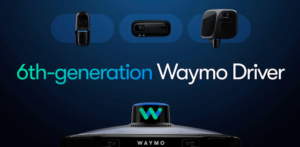
(Pic: Waymo)