A new report suggests that mechanisation, such as automated cone laying machines could create a step-change for the highways sector, with experts suggesting it could significantly reduce injury risk while improving operational efficiency.
The Healthier Highways Musculoskeletal Risk Profiling (MRPro) study looked at musculoskeletal (MSk) disorders, which account for a substantial proportion of ill health in construction, with tens of thousands of workers affected and millions of working days lost each year.
These injuries are often linked to repetitive manual handling tasks, of which manual cone laying has long been identified as one of the most repetitive and physically demanding activities carried out on the network. It involves constant lifting, twisting and working in live traffic environments.

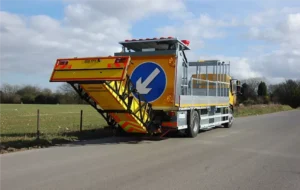
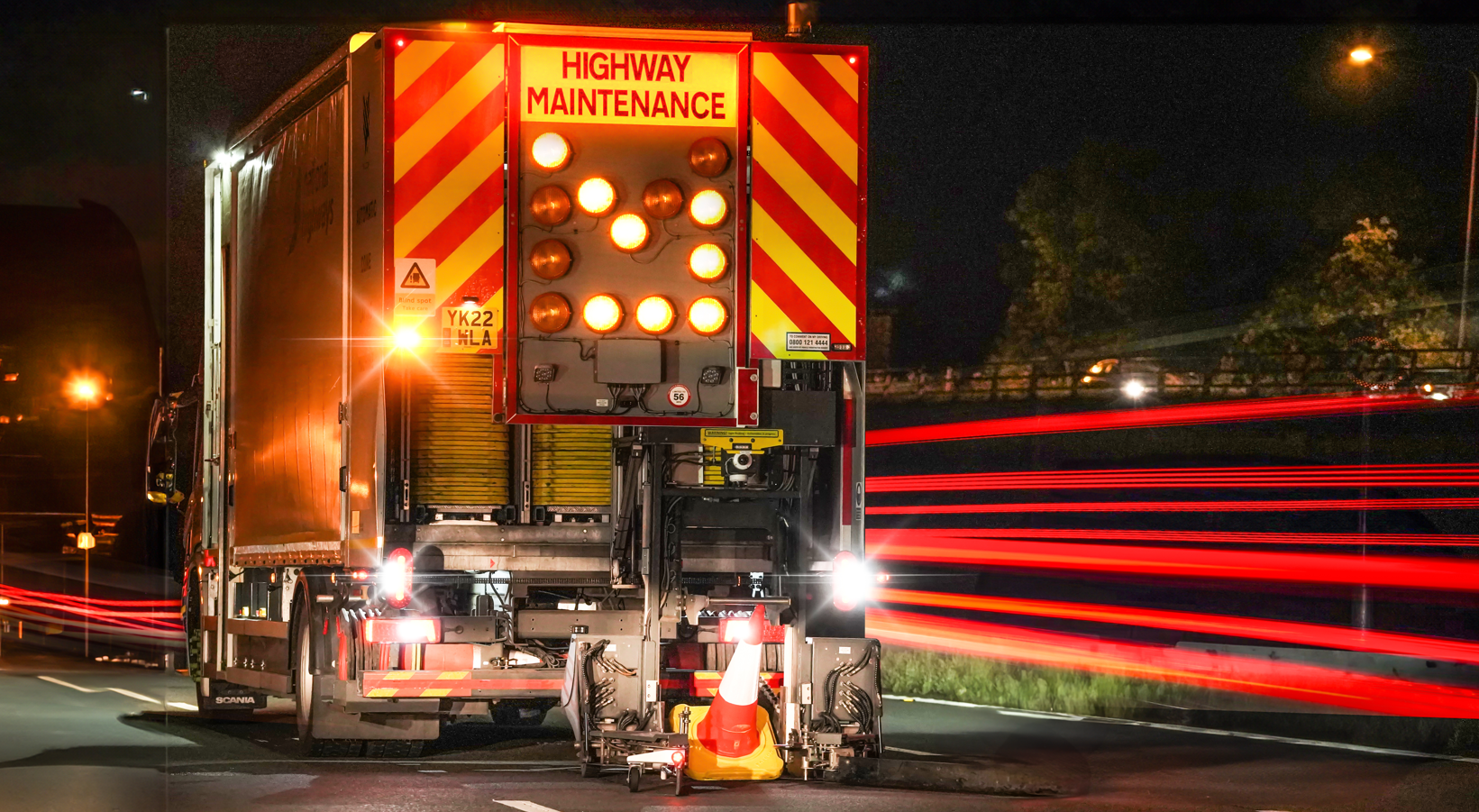
The report features a case study with Balfour Beatty and Connect Plus Services utilising Highway Care’s Falcon Automated Cone Laying Machine on the M25 to remove the risk both of musculoskeletal harm and dangers of working adjacent to live traffic. The machine’s automation of the placement and collection of cones removes the need for operatives to repeatedly lift and position equipment by hand. Operators remain safely inside the vehicle, dramatically reducing exposure to both physical strain and live traffic.
Analysis suggests the implications go beyond safety alone. By automating a traditionally labour-intensive process, the technology could also deliver productivity gains. Faster deployment and retrieval of traffic management layouts can reduce lane closure times, minimising disruption to road users while enabling crews to complete work more efficiently.
Ben Duncker, Commercial Director at Highway Care said: “The Falcon ACLM was developed in conjunction with industry and National Highways to help improve safety for traffic management operatives, reducing risks associated with MSKD and working adjacent to live traffic, whilst providing future efficiencies of automation.
“It’s encouraging to see continued industry focus on understanding operational risk. This study not only recognises the benefits of automation and mechanisation, but also the need for us, as a sector, to continue to collaborate to develop, introduce and manage implementation of practical innovations that can help improve safety outcomes across our road network.”
However, the researchers warn adoption will not be without challenges. Previous attempts to introduce safer equipment have sometimes been hindered by cost pressures and procurement barriers. The MRPro findings note that contractors are not always incentivised, or funded, to adopt best-in-class tools, even where they clearly reduce risk.
The report calls for “health by design” principles and earlier contractor involvement, so that safer methods and equipment can be specified from the outset rather than retrofitted later. But they say as the highways sector places increasing emphasis on worker wellbeing alongside efficiency and network performance, solutions like automated cone laying machines are likely to become more prominent.
(Picture – Highway Care)