Thousands of illegal registration plates on cars and other vehicles have been detected by a new camera system being tested on motorways in south-east England, an episode of the BBC’s Panorama programme has revealed.
The plates have been adapted to prevent their details being identified by automatic number plate recognition (ANPR) systems, which are used to enforce speed limits and low-emission zones, as well as to track criminals.
A former government adviser has warned that illegal plates are putting the public at risk and remain far too easy to obtain.

Panorama spoke to families who said their lives had been devastated by road deaths in which illegal registration plates were involved. An undercover investigation also found that illegal plates could be purchased cheaply and without background checks.
The minister responsible for vehicle registration across the UK told Panorama that a national plan has now been launched to establish the scale of the problem and identify measures to tackle the use of illegal number plates.
The UK has one of the largest ANPR camera networks in the world, with around 14,000 sites capturing 100 million number plates every day. However, experts have warned that the system is struggling to keep pace with tactics used by some drivers seeking to avoid detection.
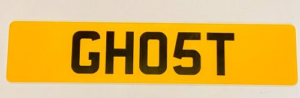
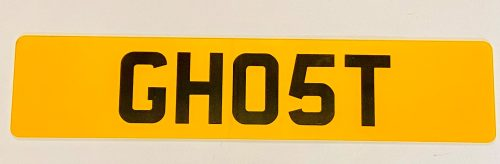
These tactics include the deliberate use of false plates that clone the registration number of another vehicle, as well as so-called ghost plates, which use specialist plastic to make all or part of a registration number unreadable to most motorway cameras.
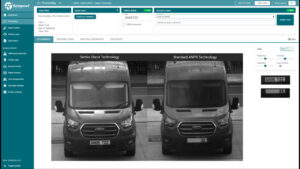
One of the UK’s main ANPR technology providers, MAV Systems, has been testing a new camera designed to identify and read ghost plates.
At one test site just outside London, near the Dartford Crossing, the system has recorded an average of more than 1,000 ghost plates a day over several months.
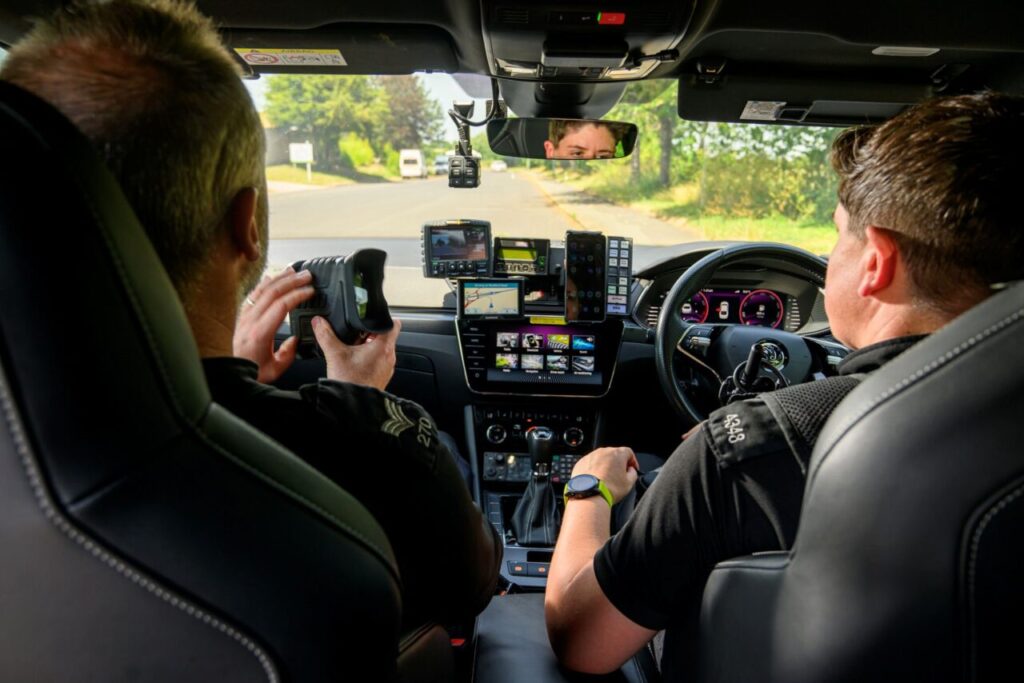
Two other sites have been operating for almost two years. At one location near the M25, detections have increased from around 1,000 a day to almost 2,000. At the other, near the Eurotunnel at Folkestone, the system is identifying more than 400 plates a day.
Both cloned and ghost plates appear to be legitimate registration plates when viewed by the naked eye.
In the case of cloned plates, at least two vehicles are operating on the road with the same registration number, although only one is legally entitled to use it.
Ghost plates, meanwhile, display the correct registration details for the vehicle but are manufactured using reflective materials that make them difficult or impossible for most ANPR cameras to read.
Tony Porter, a former senior counter-terrorism officer who has advised the government on surveillance cameras, said cloned and ghost plates undermine the ability of police forces to use ANPR to track organised criminals.
“The police need an effective ANPR system that doesn’t have weaknesses [and] doesn’t put the public at risk,” he said.
There is a problem that needs tackling and a more robust system may be needed, according to Justin Madders, the minister in charge of UK vehicle registration.
He says the government recognises this and is creating a national centre to crack down on illegal number plates, bringing together police forces to share intelligence and trial new technologies to improve road safety, tackle organised crime and drivers attempting to dodge fines.
(Picture: APPGTS; DfT)