Two contrasting stories have highlighted what Andy Graham MBE, co-founder of specialist eCall data company VESOS, has described as the ‘pros and cons of phone crash detection’.
A driver who plunged 330ft down a mountain pass in Wales was saved by her iPhone’s crash alert, while at the other end of the scale Derbyshire Police responded to what turned out to be a mobility scooter being driver over a bumpy field.
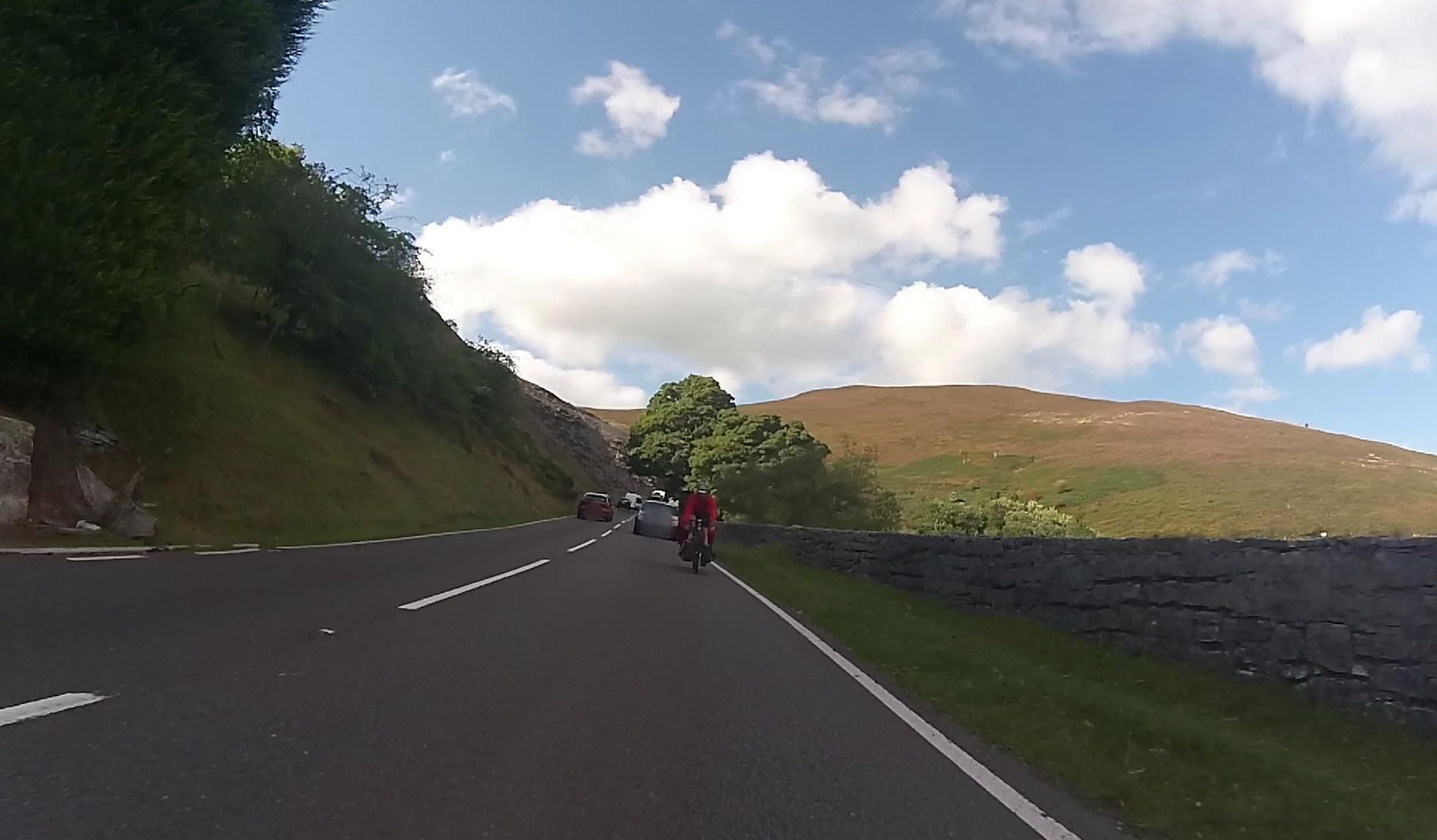
Natalia Sidorska, 32, lost control of her car while driving along Horseshoe Pass – a winding, scenic A road in Denbighshire – late one evening in June 2025, reports the BBC.
The car careered off the road and rolled down the mountainside before landing in a field, and bursting into flames just moments after she escaped.
Natalia later discovered her iPhone had automatically activated a crash detection alert, which uses sensors to detect a crash and notifies the emergency services and emergency contacts, sharing a location.
Ms Sidorska said the most challenging part was not actually the crash itself, but everything that followed. She said she often drove alone to clear her mind. On the night of the crash, she was driving along Horseshoe Pass for the first time.
“I didn’t realise that there was a very tight bend coming up and when I realised… it was too late for me to do anything.”
Meanwhile, an 81‑year‑old woman has thanked police officers for checking on her after her mobile phone triggered an accidental emergency call while she was riding her mobility scooter over “bumpy grass”.
Officers were called shortly after 09:20 BST on 9 May when Eve Wilson’s phone triggered its “emergency SOS” function after being jolted around in her bag during a dog walk through fields off Kimberley Road in Borrowash, Derbyshire.
After the line went silent and callbacks failed, officers went to her home before being sent to the fields, where she and her dachshund Larry were found safe and well.
Derbyshire Police said pocket dials were “not unusual” and “pleased Eve had come to no harm”.
“I was overwhelmed and embarrassed that I’d wasted their time, but I can’t thank them enough for checking on me,” Wilson said.
VESOS’s Andy Graham MBE told Highways News:
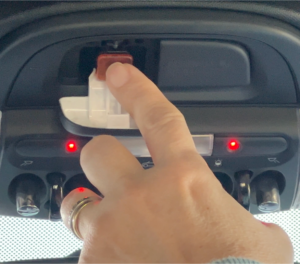
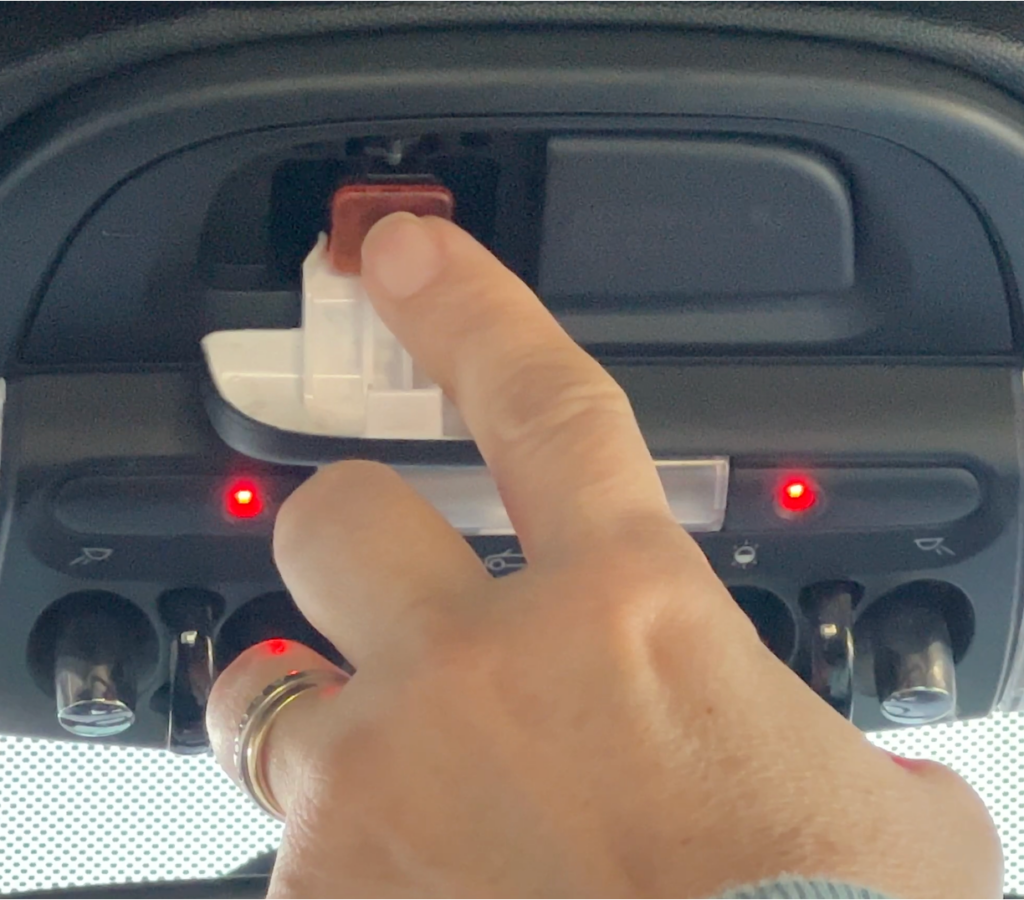
“This shows the pros and cons of phone crash detection. Any life saved makes it worthwhile, but, as with eCall, false alarms remain a challenge. They risk lives by diverting operators from real events that need quick responses. Unlike eCall, phone detection does not send data from the vehicle, it just’s provides a voice link, adding delays and potential errors.
“VESOS sees volumes increasing significantly with this life-saving technology, but it needs work as it risks straining emergency services 122 and undermining trust. Also, the need for education as for eCall is clear.”
(Pictures: Mapillary; VESOS)