Police and highway authorities are being urged to give greater priority to safety at traffic-light junctions after a Project EDWARD analysis identified 56,431 reported injury collisions associated with signal-controlled junctions in Great Britain between 2021 and 2025, including 405 fatal collisions.
The white paper, Red means Stop, was published to coincide with the National Road Safety Conference and is supported by enforcement technology supplier Jenoptik. It calls on road safety partnerships to use collision data and site visits to establish where red-light running or excessive approach speeds are a problem, then consider measures including changes to junction layouts or signal operation, education and targeted enforcement.
The figures come from police-reported collision data. They show where injury collisions were recorded in relation to traffic signals. Establishing whether drivers are regularly running red lights at a particular junction requires local observation and other evidence, the report says.

James Luckhurst of Project EDWARD said: “A green light should not become a gamble because someone else ignores a red one.”
In West Yorkshire, a site visit to a junction earmarked for a camera found that pedestrians had inadequate crossing provision amid turning traffic. The partners agreed to pursue pedestrian signals on all four approaches. The scheme is still in progress.
In Scotland, the Scottish Safety Camera Programme maps collision clusters to guide local investigations and reviews existing sites annually to assess whether enforcement is still needed.
A 2020 systematic review cited in the paper linked red-light cameras to around 20% fewer injury collisions overall and 29% fewer right-angle injury collisions. It also found a 19% increase in rear-end collisions.
Nathan Howard of Jenoptik said: “Technology should serve a clearly-defined safety need.”
The paper recommends recording traffic volumes, violations and collision types before making changes, then checking how those measures respond. It also urges partnerships to report any unintended effects alongside the benefits.
Read the paper here. Find out about a webinar discussing the subject taking place on 4 December here.
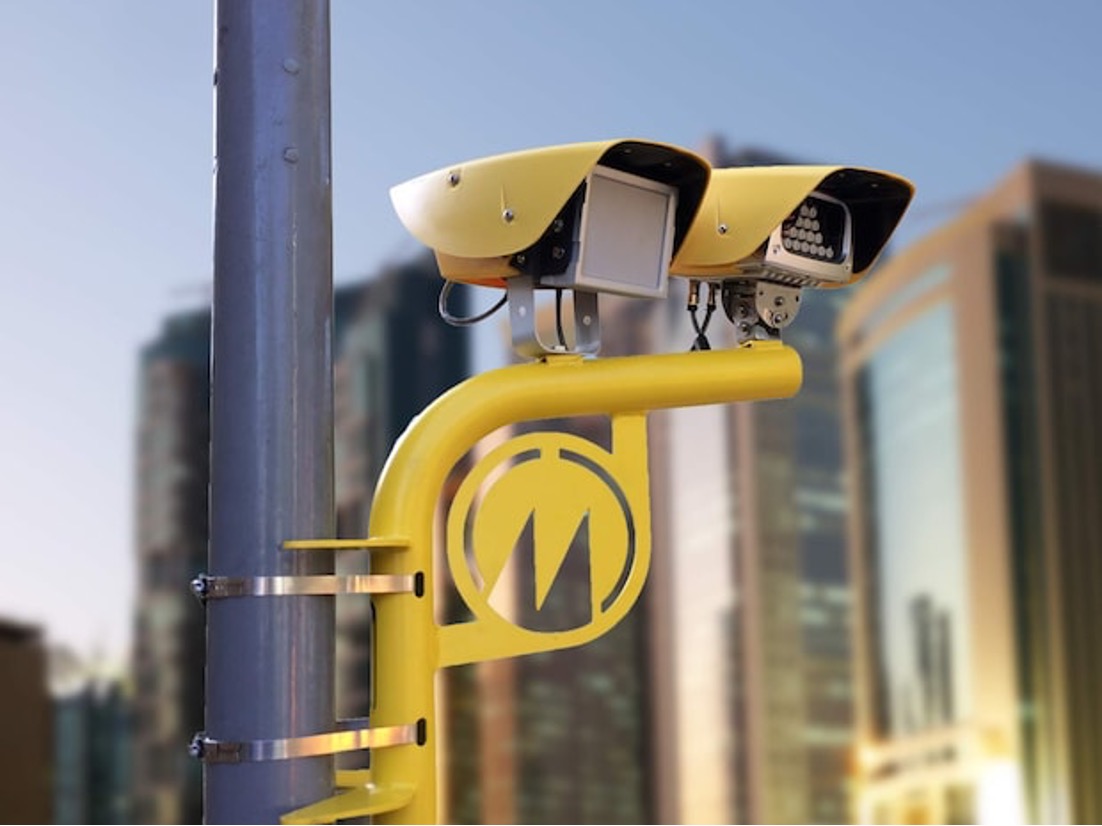
(Picture – Jenoptik)