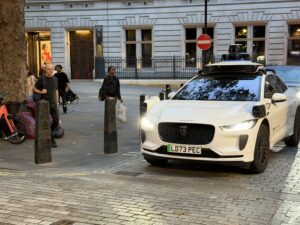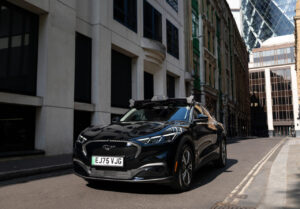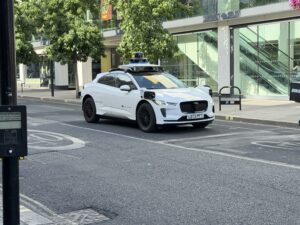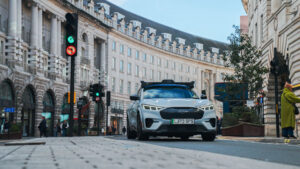
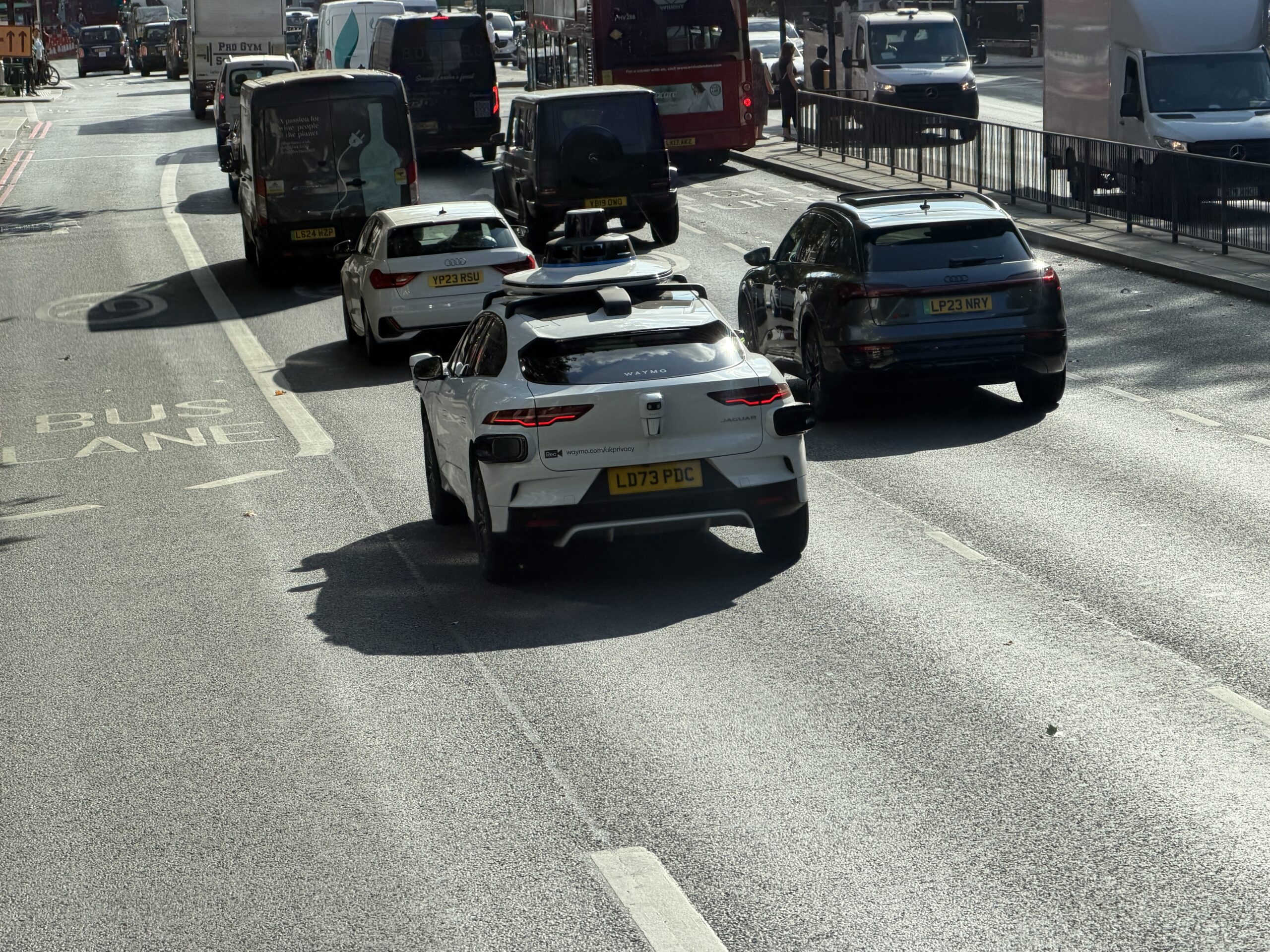
The advent of self-driving, autonomous vehicles (AVs) carrying their first paying passengers in London will create winners and losers, according to The Centre for British Progress.
In its report, Self-driving growth: Securing local benefit from autonomous vehicles, the think tanks has suggested that while AVs bring real benefits to passengers, declining fuel duty revenues will leave a huge gap in the public budget, and they pose a threat to private hire drivers while worsening congestion. It believes that the government can manage this transition and support those most affected by introducing a tax on AVs. This would also generate substantial revenue, replacing much of what is lost to fuel duty’s depletion.
“The Department for Transport (DfT) projects that AVs will both replace and add to existing miles. Motorists will switch existing, human-driven trips for AV trips,” says the report.
“They will also take more trips, through induced demand. On the DfT’s projections, car traffic in 2050 is about 70 billion miles higher than in the central projection, a rise of 24%. Our model points the same way. Without a charge, self-driving vehicles account for 41% of car miles by 2050 and add about 140 billion miles a year to British roads.
“These projections are uncertain, and they may be considerable underestimates on both counts: AVs may replace far more existing driving than projected, and they may create far more new travel, and different ways of travelling. For instance, people may choose to work or sleep in AVs, changing the cost of commuting. Conversely, the transition would be slower with taxation, since a charge raises the cost of the marginal self-driving trip.
“Getting self-driving vehicles right matters. The potential gains are large, and many of them accrue to the people the current transport system serves worst.”

The reports authors, David Lawrence and Amy Martin conclude by suggesting that implementing an AV charge, especially one that is sensitive to time and location, is complex, however the complexity sits with the rate-setter, not the traveller.
“The rate-setter publishes rates in advance, so a rider sees the fare before the trip, like an off-peak train fare or a quoted taxi fare. This means there is no unexpected tax bill. For at least the next decade, we expect that the charge will mostly fall on commercial fleets in self-driving mode, rather than households with their own AVs.”
(Picture: Olga Gonzalez)