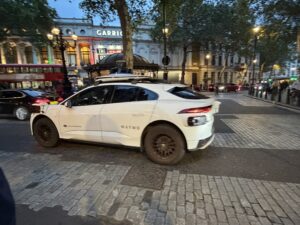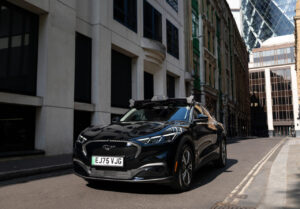
With public pilots of self-driving taxi services set to begin on London’s streets in the coming months, the RNIB’s (Royal National Institute of Blind People) Head of Policy Mike Wordingham joined a panel event in Parliament with politicians and industry, to represent the hopes and concerns of blind and partially sighted people, and ensure key considerations around accessibility are made from the start for this new form of transport.
The event, hosted by the All Party Parliamentary Group for Self-Driving Vehicles, brought together parliamentarians, industry representatives and other stakeholders to discuss the potential benefits of self-driving taxi services, and the regulatory and practical steps needed before these services are used more widely. RNIB is one of the sponsors of this All Party Parliamentary Group.
“Self-driving taxis could become a new transport option for blind and partially sighted people, but only if accessibility and safety are treated as essential from the very beginning,” said Mr Wordingham. The first few metres and the last few metres of any journey matter just as much as the journey itself. People with sight loss need to be able to find the vehicle they have booked, get in and out safely, access support when they need it, and navigate the streets around them with confidence.

“As public pilots move closer, it is vital that the Department for Transport and industry work directly with blind and partially sighted people to understand both the opportunities and the risks. If this technology is designed inclusively, it could open up new possibilities. If it is not, it risks creating new barriers on our streets and in our transport system.”
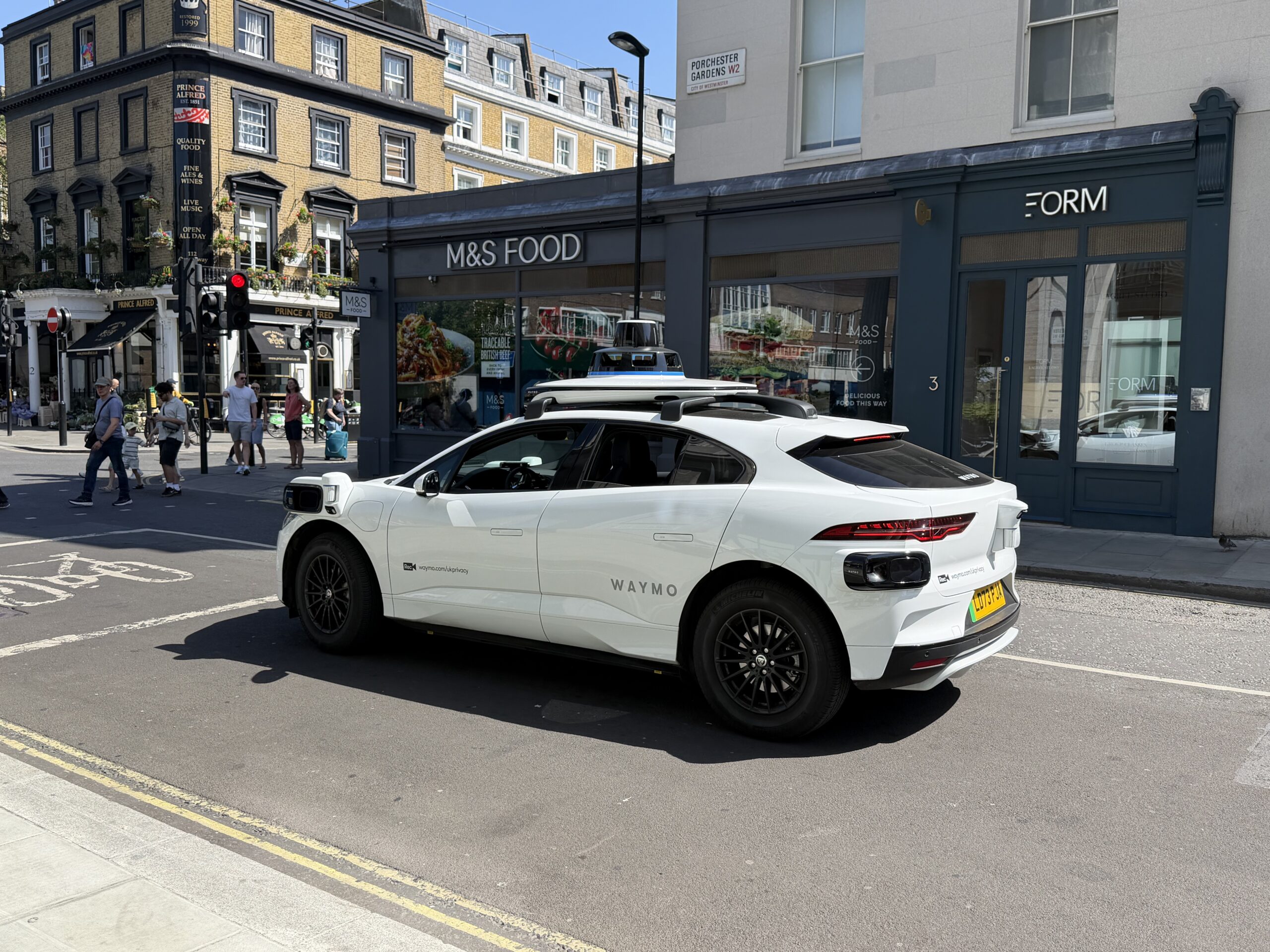
“Self-driving taxis” refers to a service you would request on your smartphone, to get a ride equivalent to a taxi but that has no person in the car other than you (and any other passengers with you) throughout the whole journey, relying on computers, cameras and sensors to navigate the road. These already operate in some US cities.
For many blind and partially sighted people, driving is not an option, and public transport can be unreliable, inaccessible or unavailable. Self-driving taxis could offer a new way to travel independently, especially for people who are currently excluded from some journeys, but the potential benefits will only be realised if accessibility and safety are designed into services from the start.
In a current survey, blind and partially sighted people have been sharing mixed views with RNIB about this emerging technology. Some are excited about the possibility of more spontaneous and flexible travel, while others have understandable concerns about how they would find the vehicle they have booked, board it safely, communicate with support staff, and navigate from the drop-off point to their final destination.
While passengers may choose whether or not to use a self-driving taxi, pedestrians will have no choice about sharing streets with them. This makes pedestrian safety vital to any rollout. Like other electric vehicles, self-driving vehicles could be difficult for people with sight loss to hear unless they have effective added sound. They must also be able to reliably detect and respond to blind and partially sighted pedestrians, including guide dogs, long canes and people who may need to step into the road to avoid pavement obstructions.
RNIB’s position is that before any public pilot begins, there should be clear evidence from self-driving taxi providers that vehicles can operate safely around vulnerable pedestrians.
“These services need to be shaped with blind and partially sighted people, not simply brought upon them once the technology is already in use, which is why RNIB is an active participant in events such as this and is engaging with both government and industry. Co-producing with disabled people, including blind and partially sighted people, will help to ensure safety for passengers and pedestrians, and greater reliability across providers.”
(Picture: Olga Gonzalez)