Waymo’s robotaxis are involved in fewer crashes than cars driven by human beings, but the federal system for monitoring automated vehicles needs improvement, a new study from the Insurance Institute for Highway Safety suggests.
Per vehicle mile traveled (VMT), Waymo’s driverless vehicles deployed in San Francisco, Phoenix, Los Angeles and Austin were involved in 68% fewer crashes than human drivers, researchers found. The sample was restricted to crashes that a person would typically report to the police.
“The results show that, on a limited scale, these driverless cars are safer than human drivers – who can be impaired or drowsy or suffer lapses in attention,” IIHS President David Harkey said. “However, the present data collection system isn’t good enough to allow continuous monitoring of a large-scale expansion.”
Waymo vehicles traveled about 50 million miles in driverless operation over the study period, compared with about 222 billion miles by human drivers over the same period and in the same locations. Overall, Waymo’s crash involvement rate was 68% lower than that of human drivers – 76% lower in Phoenix, 35% lower in San Francisco, 71% lower in Los Angeles, and 4% higher in Austin, where the sample size was relatively small. Waymo vehicles were involved in 85% fewer single-vehicle crashes and 81% fewer injury crashes per VMT than human drivers.
“Those are encouraging signs for the future of driverless vehicles,” said Eric Teoh, IIHS director of statistical services and lead author of the study. “Now we need to get the data collection system right, so that we can ensure that level of safety continues as these technologies become more prevalent.”
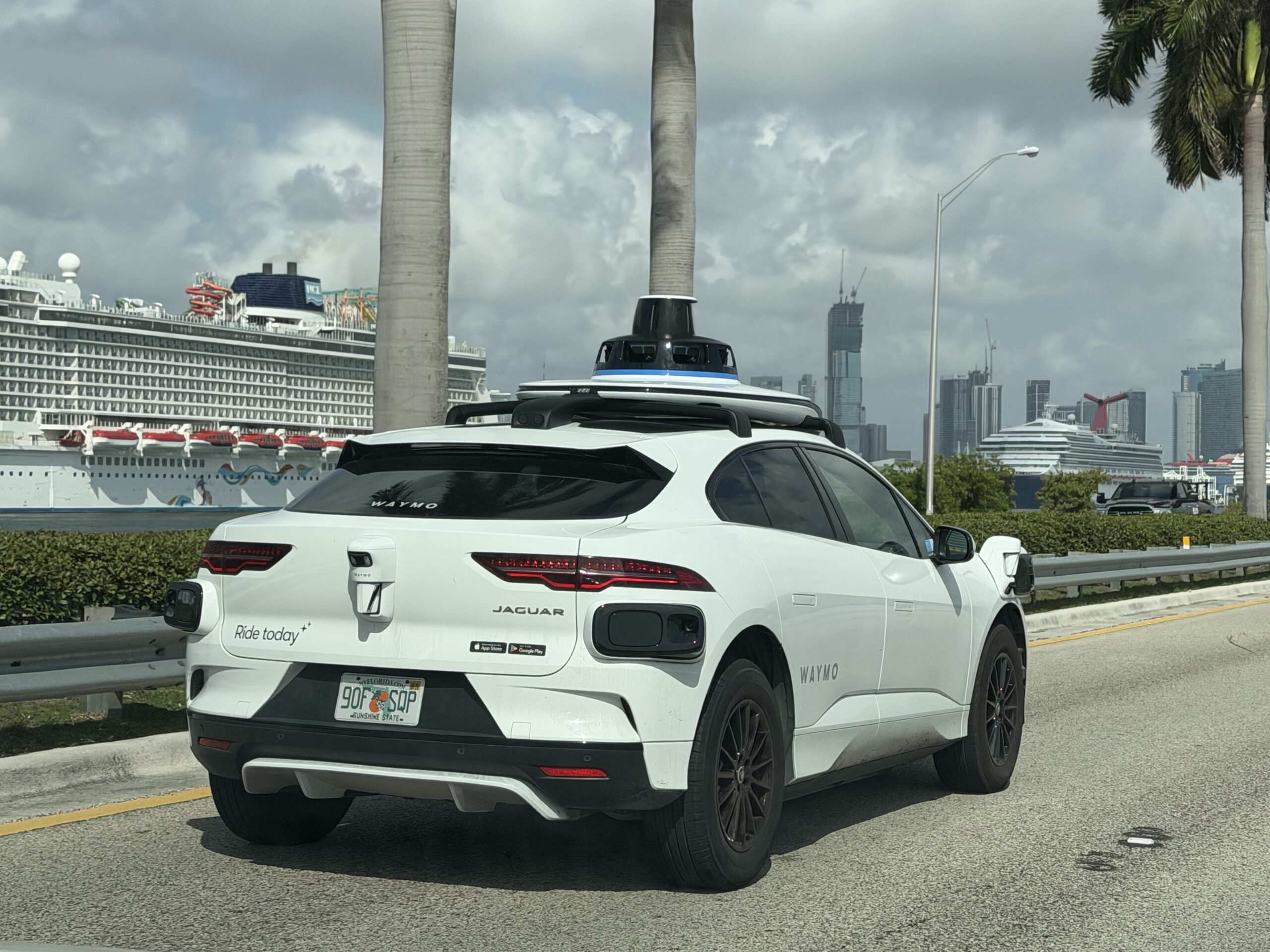
(Picture: Olga Gonzalez for Highways News)