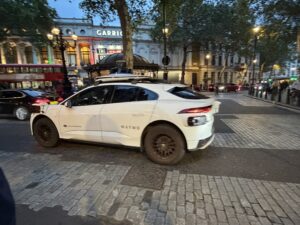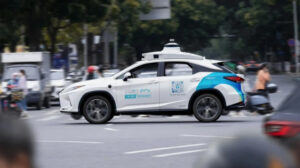
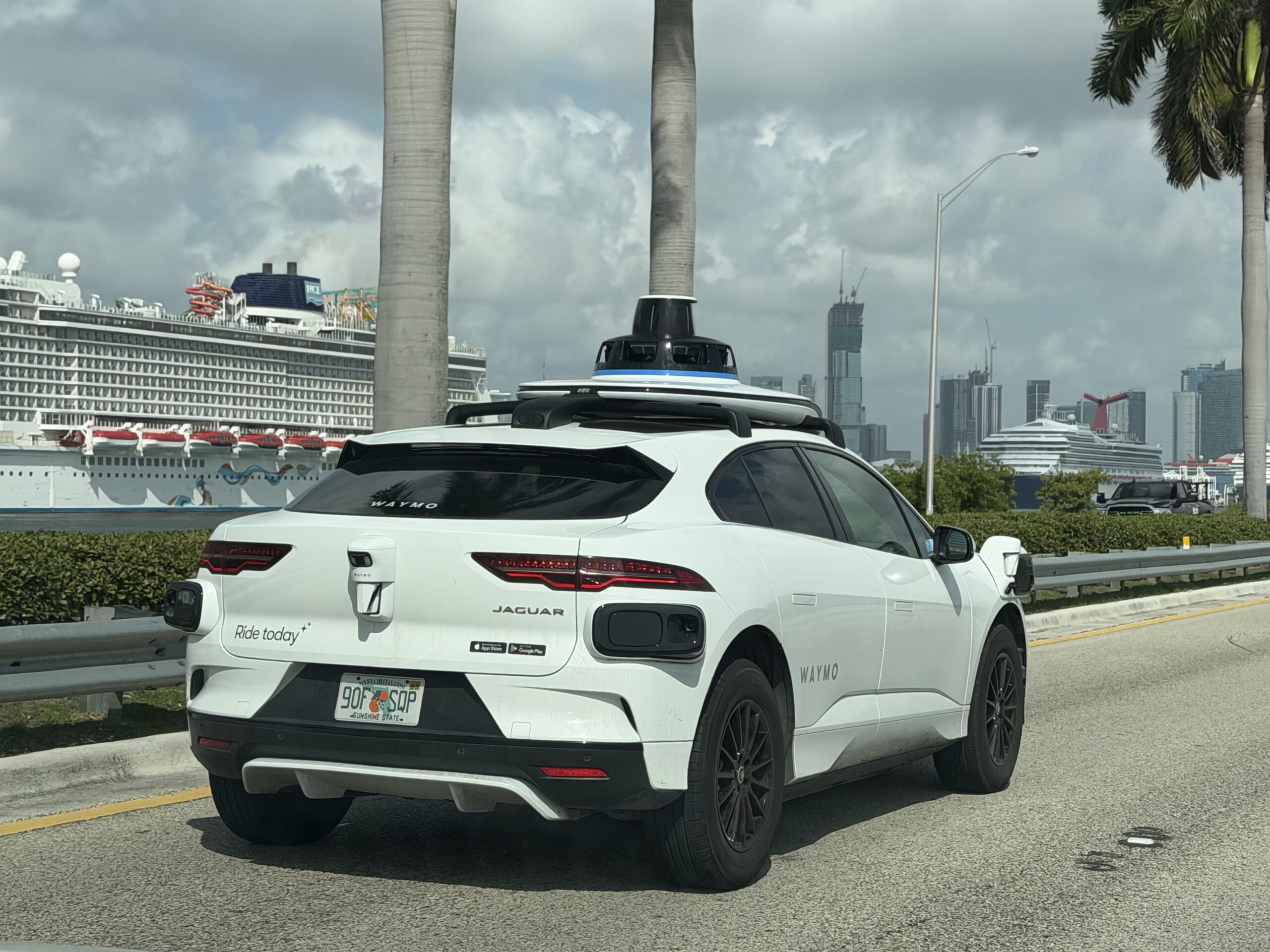
Waymo is planning to end its exclusive robotaxi arrangement with Uber in two US cities, marking a significant development in the increasingly competitive autonomous transport market. The Alphabet-owned autonomous vehicle company intends to make its robotaxis available through its own smartphone app in Austin, Texas, and Atlanta, Georgia, from January 2028.
The move will bring an end to the current exclusive arrangement under which customers in both cities can access Waymo’s driverless vehicles through Uber’s ride-hailing platform.
However, the development does not necessarily signal the end of the commercial relationship between the two companies.

Uber has told technology publication TechCrunch that it intends to continue hosting Waymo vehicles on its platform for as long as the two companies agree.
Waymo co-CEO Tekedra Mawakana discussed the planned change in an interview with Bloomberg, explaining that the company wanted to establish a more direct relationship with passengers.
She said customers using Uber to request a Waymo vehicle could not be certain of receiving one, describing the experience as something of a lottery.
Waymo believes that offering a dedicated booking experience through its own app will provide customers with greater consistency.
The announcement follows months of reports suggesting that the relationship between the two companies had become increasingly strained.
A Financial Times report in July, subsequently covered by Reuters and other international media, cited sources familiar with the discussions who described disagreements over operational and commercial issues.
These reportedly included vehicle cleanliness, availability during adverse weather and the financial terms of the arrangement. Neither company has publicly confirmed all the reported disagreements.
The companies have already ended their partnership in Phoenix, Arizona, where Waymo vehicles previously appeared on Uber’s platform. That arrangement concluded earlier in 2026, with the vehicles returning to Waymo’s own fleet.
The latest development comes as both businesses seek to establish their positions in the rapidly developing autonomous vehicle market.
Uber continues to promote its platform as a way for autonomous vehicle operators to reach customers, arguing that its extensive passenger network, together with shared charging and maintenance infrastructure, can improve fleet utilisation and profitability.
Speaking in connection with the company’s latest financial results, Uber chief executive Dara Khosrowshahi outlined plans to expand its robotaxi operations, with approximately 2,000 autonomous vehicles targeted for deployment during 2027.
Waymo, meanwhile, is continuing to expand its own driverless ride-hailing operations across the United States, increasingly using its own customer-facing app.
The changing relationship between the companies highlights a wider question facing the autonomous transport industry: whether future robotaxi operators will rely on established ride-hailing platforms to connect with passengers, or increasingly seek to control the entire customer experience themselves.
For now, the two companies’ relationship is not over. But Waymo’s planned move in Austin and Atlanta suggests that the balance between partnership and competition is changing.
(Picture: Olga Gonzalez)