he opening of the long-awaited Banwell Bypass in North Somerset has been delayed again, with essential water main diversion works pushing the project beyond its original summer 2027 completion target.
The bypass, which has been more than 90 years in the making, was first proposed in 1927 as a solution to persistent congestion through the village.
Now estimated to cost more than £105 million, the scheme was approved in 2023, with an original funding commitment of £56 million from Homes England. Costs have subsequently increased following the withdrawal of the original contractor.

North Somerset Council has confirmed that further work to divert water mains is required before the main construction programme can progress. The bypass involves significant ground improvement works, including piling, making the diversion work a necessary prerequisite.
The additional work is expected to extend the programme by around six months, with the bypass now anticipated to open later in 2027.
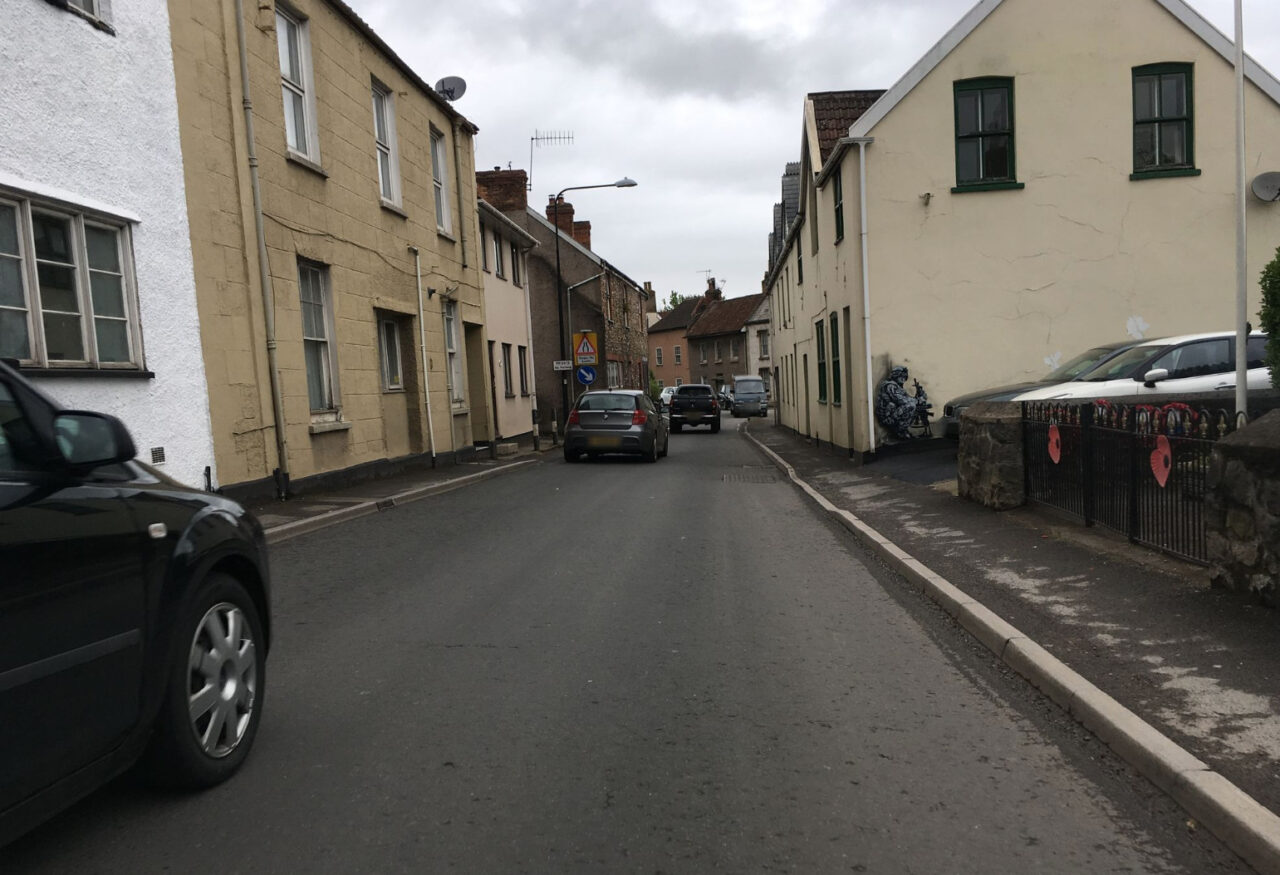
The latest delay has prompted concerns from local representatives about the continued impact of through-traffic on Banwell residents and road users.
Steve Voller, chairman of Banwell Parish Council, said the delay would prolong the disruption and stress experienced by people living in the village and those travelling through it, particularly during peak periods.
He also highlighted the potential implications for emergency services, recounting an incident in which an ambulance had to turn around because traffic through the village had come to a standstill.
Despite the revised timetable, North Somerset Council leader Mike Bell said progress was continuing on site and that the long-awaited bypass was moving closer to completion.
The project is intended to deliver more than a new road. Plans include miles of new walking, cycling and horse-riding routes, connections to the Strawberry Line active travel network, and new woodland, wetland and grassland habitats.
The transport benefits could be significant. Studies indicate that the bypass could reduce traffic travelling through Banwell by up to 78 per cent, easing congestion in the village and improving conditions for residents and road users.
The scheme’s history stretches back almost a century. Local historian Roy Rice has previously recalled how his uncle, Wally Richards, helped survey the original proposed route and place marker pegs when he was just 11 years old.
The bypass is therefore not simply a long-awaited infrastructure project, but the culmination of decades of proposals to address a longstanding transport problem in the village.
(Picture: Mapillary)