Chinese autonomous driving firm Pony AI is preparing to begin robotaxi testing in London in the coming weeks, introducing a second autonomous vehicle technology partner to Uber’s UK network and raising questions over how the ride-hailing giant plans to develop its driverless services.
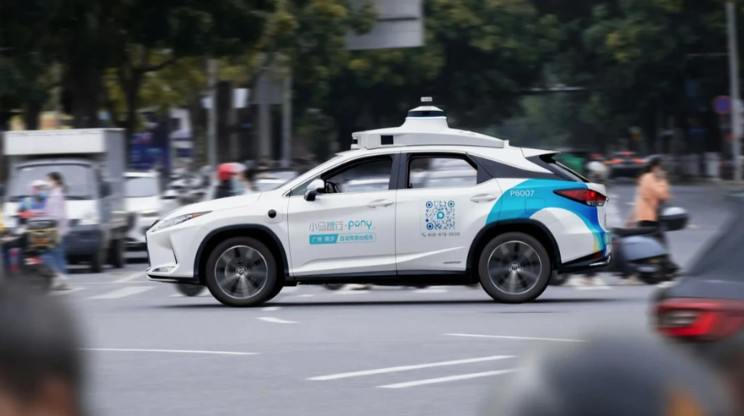
Pony AI has announced plans to bring its seventh-generation robotaxis to the capital through its partnership with Uber, with initial testing expected to begin in the coming weeks.
The move would put Pony AI alongside UK autonomous driving company Wayve, which has already begun supervised autonomous Uber rides in London, marking a further step towards the deployment of automated passenger transport on the capital’s roads.
However, Pony AI’s plans remain subject to the UK’s regulatory requirements, with the company expected to work with national and local authorities as it prepares for trials.
Fully driverless passenger services will require approval under the Automated Passenger Services framework established by the Automated Vehicles Act 2024.
Uber and Pony AI first partnered in 2025 and are already operating autonomous rides in Zagreb, Croatia, where passengers can book Pony AI-powered vehicles through the Uber app.
The planned London expansion would bring the companies’ collaboration to one of Europe’s most complex urban transport environments, where autonomous vehicles must contend with dense traffic, vulnerable road users, complex junctions and extensive interactions with existing road infrastructure.
Pony AI had previously identified London as a target market but had not committed to a launch timetable. Speaking to Zag Daily at MOVE 2026, founder and chief executive James Peng said the company saw significant potential in the capital, despite the challenges of operating there.
“London is such a huge market with great potential,” Peng said. “So I think competition is great.”
The company said testing was expected to begin in the coming weeks, adding that it looked forward to working with local and national government officials and partners as plans progress towards trials under the UK’s autonomous vehicle regulations.
The announcement puts two autonomous driving technology companies within Uber’s London network, although it does not necessarily mean they will compete directly for the same contracts or operate identical services.
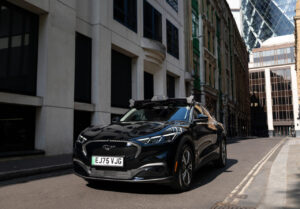
Wayve launched supervised autonomous Uber rides in London earlier this year, using 15 modified Ford Mustang Mach-Es licensed by Transport for London. Its deployment marked an early step in bringing autonomous driving technology into the capital’s ride-hailing market.
Pony AI’s arrival introduces another technology platform into the mix, potentially giving Uber greater flexibility as it develops its autonomous mobility strategy.
For Wayve, the development raises questions over how Uber intends to structure its long-term partnerships, whether different autonomous driving systems will operate alongside one another, and how responsibility for vehicles, technology and service delivery will be divided as deployments expand.
Uber’s decision to work with multiple autonomous driving companies would also underline the importance of partnerships in bringing driverless services to market, rather than relying on a single technology provider.
For now, however, Pony AI’s London plans remain at the testing stage. The timing and scope of any subsequent passenger service will depend on regulatory approvals and progress towards deployment.
The development nevertheless signals growing interest in London as a market for autonomous mobility, with the next phase likely to test not only the technology itself but also how driverless services can be integrated into the capital’s existing transport network.
(Picture: Pony AI)