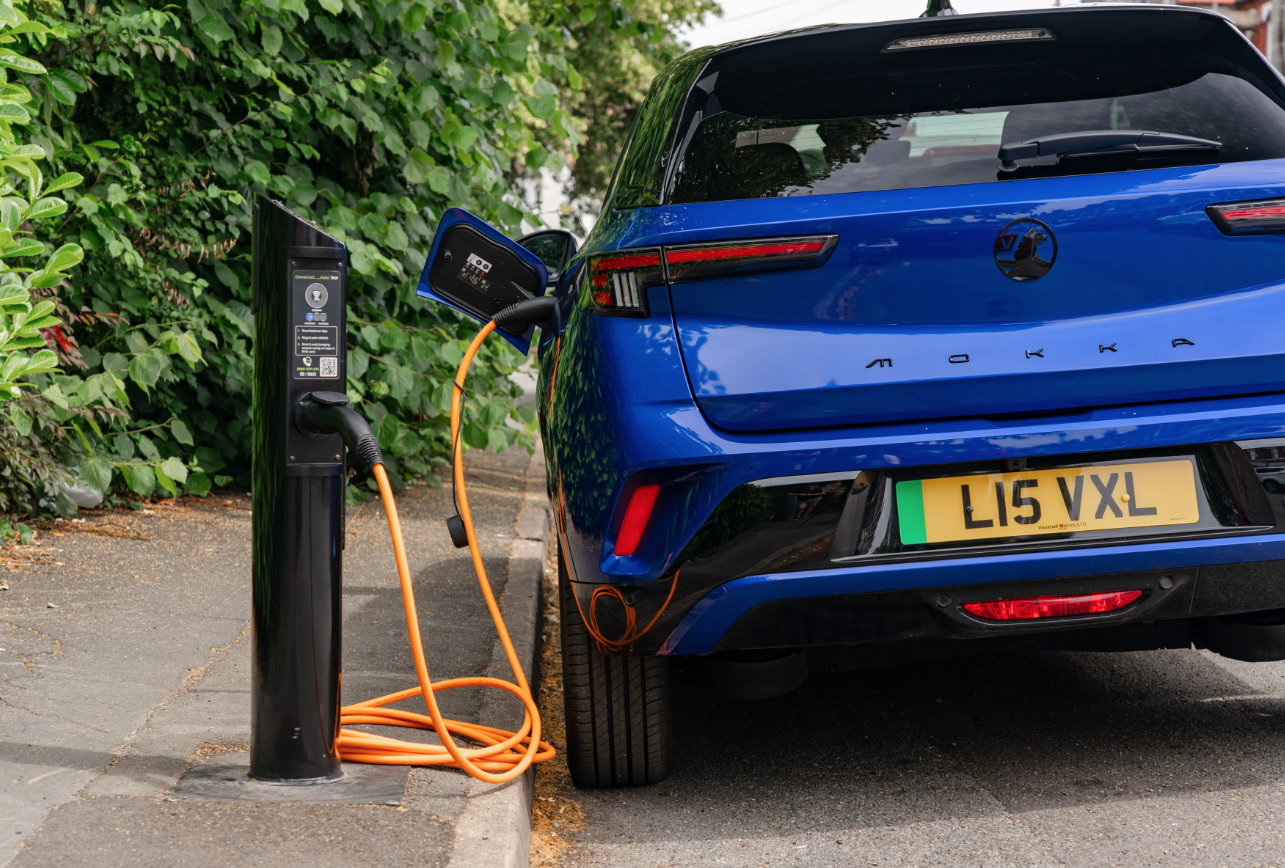
Electric vehicles are taking centre stage today as the automotive industry marks World EV Day, with new research suggesting that younger drivers are increasingly viewing electric cars as the natural choice rather than an alternative to petrol and diesel.
World EV Day, held annually on 9 September, is a global campaign designed to promote electric mobility and encourage discussion around the transition to cleaner transport. The 2026 event is the seventh edition of the campaign, with this year’s theme focused on “Switching Electric: driving down the cost of motoring”.
The timing comes as research commissioned by E.ON Next points to a significant shift in attitudes among younger motorists. Its survey of 1,500 people aged 17 to 20 found that 55% want their first car to be electric, while 23% said owning a petrol car was as outdated as using a landline.

Lower running costs, the ability to charge at home and avoiding regular visits to petrol stations were among the attractions cited by respondents. More than half also said they believed an EV would save them money.
Drew Meehan, Product Lead for EV Experience at TomTom, said the figures showed how attitudes towards electric motoring were changing.
“New research from E.ON Next suggests that 55% of 17–20-year-olds want their first car to be electric. It is a clear sign that, for many young drivers, EVs are fast becoming the natural choice rather than something they need to be persuaded to consider.
“World EV Day is a useful moment to consider what will sustain that momentum. The EV experience now needs to feel dependable in everyday life. Drivers need to know whether a charger will be available when they arrive at their destination and what it will cost, without having to spend time comparing multiple apps or changing plans mid-journey.
“Location intelligence plays an important role here. Live data and more personalised in-car support can give drivers a clearer picture of their options, while AI can make range predictions better reflect real-world conditions and familiar routines. The aim should be to remove unnecessary effort from EV ownership while leaving drivers in control.”
The challenge for the industry, therefore, is increasingly shifting from persuading consumers to consider EVs towards making electric motoring simple, predictable and convenient enough to become an everyday choice.
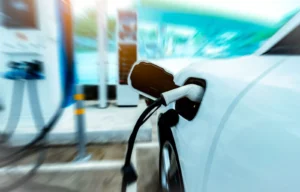
(Picture: Connected Kerb)