Leading electric vehicle charging firm Zaptec has welcomed the Government’s decision to increase grants for EV charger installations, but warned it risks ignoring the realities of multi-dwelling buildings.
The updated grants will support renters, flat owners, landlords, households with on-street parking and businesses. But the structure of the grant assumes a singular installation model of EV chargers, which doesn’t work in all applications.
According to ONS census data, 54% of London homes are flats or apartments, alongside around 22% of households across England and Wales. For these residents, installing charging infrastructure is significantly more complex than simply fitting one unit into a private parking space.
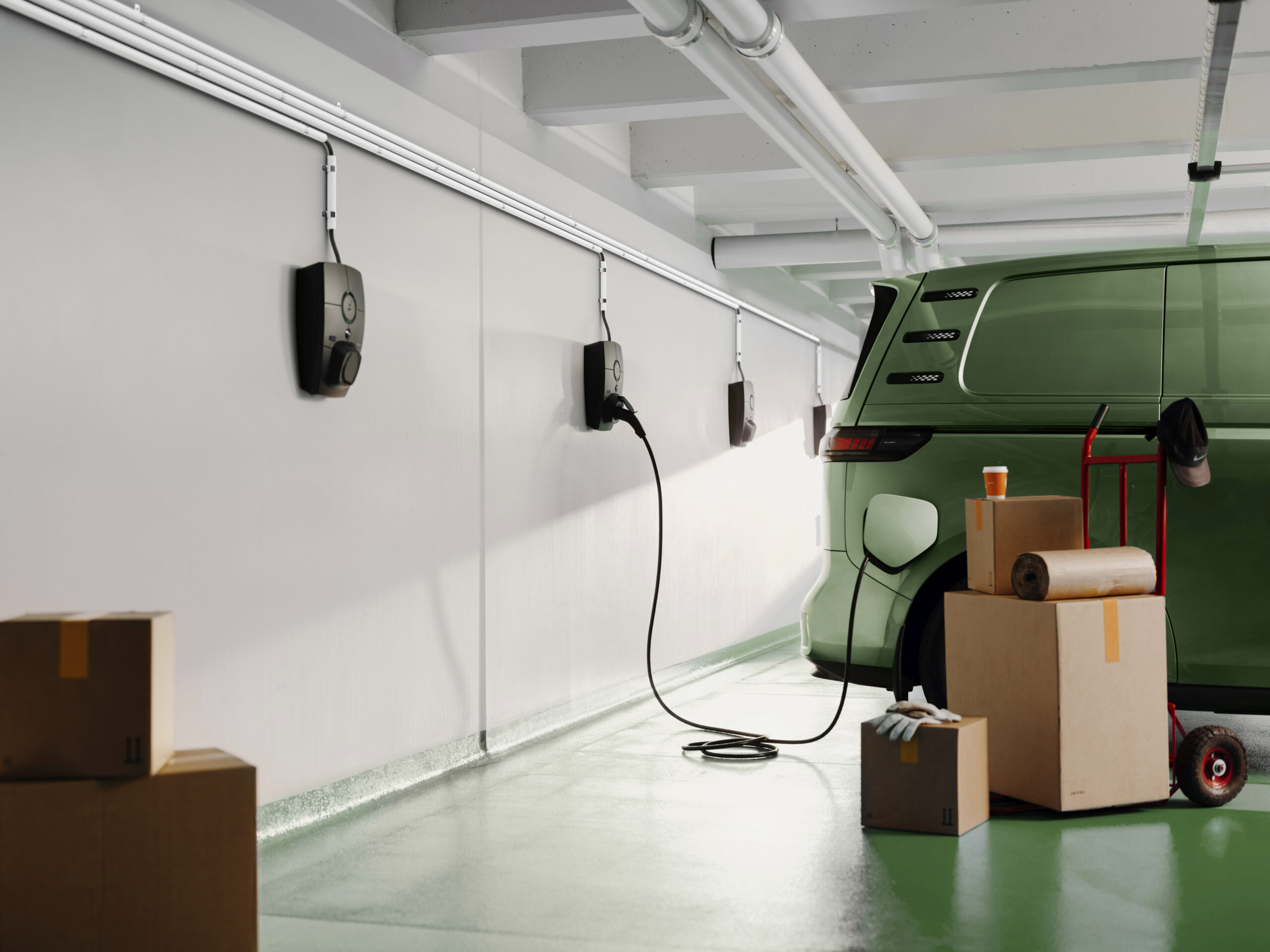
“These new grants are designed around individual installations that work well for private domestic driveways, cross pavement charging or single business premises,” explains Michael Braybrook, Managing Director at Zaptec UK. “But in multi-dwelling buildings and flats, charging has to be treated as shared infrastructure. In most blocks, installing chargers back to individual meters simply isn’t a viable option.”
Under the expiring grant model, landlords were rewarded for parking bays with charging infrastructure and charging hardware. This allowed installers to properly design the whole site from day one to cover all future demand. But the new grant focuses on chargers over infrastructure. This will incentivise individual residents to install chargers independently, creating major issues within the overall electrical design of an EVCP system.
As a result, this will lead to Distribution Network Operators (DNO) refusals, an inability to load balance between apartment plots, and overuse of available power resulting in blown fuses. DNOs can require major power upgrades before approving further connections, which often cost tens of thousands of pounds – and delay electrification for everyone else in the building.
“The new grant unintentionally incentivises fragmented installations,” Braybrook added. “That creates capacity bottlenecks, higher long-term costs and preventable safety risks.”
Zaptec also highlighted the issue of long-term charger maintenance. Where chargers are installed individually, responsibility for servicing is often unclear, increasing the risk of unreliable infrastructure over time and multiple issues.
“If we are serious about mass EV adoption, policy must work for all buildings and applications,” Braybrook concluded. “Scalable, site-wide solutions are essential, if we want electrification to be fair, future-proof and financially sustainable.”
Zaptec says it can assist those seeking grants, as it has spent years developing integrated load-management systems designed specifically for multi-dwelling buildings. These systems intelligently share available power across a site, reducing peak demand and allowing chargers to be added gradually as residents switch to EVs, without overwhelming the building’s electrical infrastructure. Solutions include using dynamic load management and phase balancing to avoid expensive grid reinforcement.