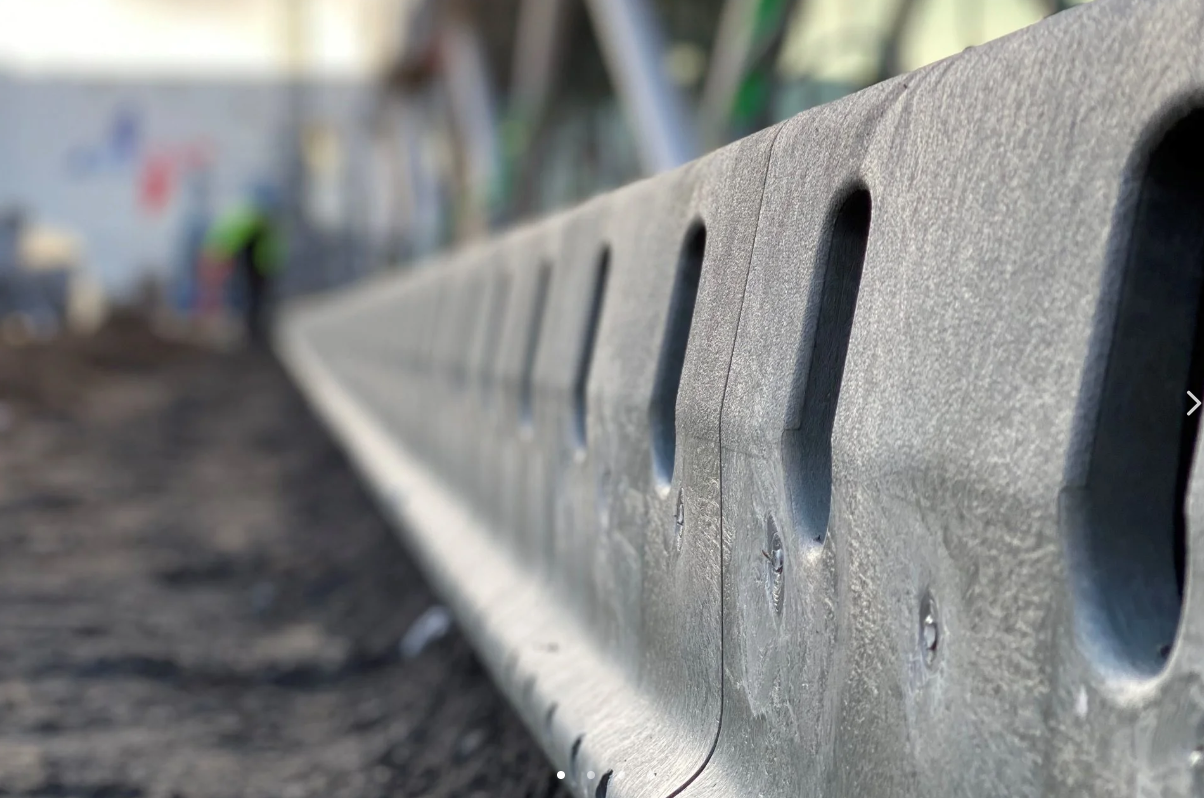
Sustainable construction specialist, Duraproducts has announced that Durakerb, its lightweight recycled plastic kerbing, has secured an updated BBA HAPAS certification, now formally approving it for use across the UK’s highways network for the first time.
The updated certification sits alongside changes to the National Highways Manual of Contract Documents for Highways Works (MCHW), which now formally lists Polymer Kerbs within national specifications. While Durakerb has held BBA HAPAS approval since 2008, this latest issue aligns the product with new CC/207 requirements, confirming that recycled polymer kerbs are a credible, approved option for UK highways. This removes barriers to adoption and where sustainable alternatives were once considered an optional extra, they are now formally validated as reliable solutions for building greener, lower-carbon highways.
BBA HAPAS approval provides independent recognition of Durakerb’s long-term durability, technical performance, and compliance with national standards. This gives local authorities, Tier 1 contractors, and government agencies the confidence to specify recycled and recyclable materials. The certification also simplifies project planning by removing the need for additional testing or bespoke approvals, ultimately saving time and cost while accelerating the adoption of green infrastructure.

For an industry historically cautious about deviating from traditional materials, this marks a significant turning point. The approval demonstrates that recycled polymer kerbs can match the performance of established carbon-heavy products. Proving that sustainable design can be embedded at the heart of UK infrastructure without compromising quality, safety, or reliability.
Phil Sutton, Founder of Duraproducts, said:
“This is a milestone we’ve been working towards for well over a decade. Achieving BBA HAPAS approval, combined with the inclusion of Polymer Kerbs in the National Highways specifications, removes the barriers that have historically held back sustainable innovation in our sector.
“For the first time, products like Durakerb can be used across the UK’s highways as a fully approved, credible alternative to traditional materials. This speeds up adoption, reduces reliance on virgin materials and supports a true closed-loop circular economy across major infrastructure projects. It also strengthens our ability to shape standards, and we welcome the opportunity to collaborate with authorities to set new expectations for environmental performance.”
(Picture: Durakerb)