Near misses on Britain’s roads have become so common that almost three quarters (71%) of road users experience one at least once a month, according to new research commissioned by National Accident Helpline.
The nationwide study of 2,000 adults found driver error remains one of the biggest causes of these incidents, with nearly three in ten (29%) of those who experienced a near miss blaming motorists failing to look properly, one in four (25%) citing people travelling too fast and more than one in five (21%) pointing to distracted driving.
The most common types of near miss include a vehicle passing too closely to a cyclist (34%), followed by a damaged road surface (33%) and a pedestrian stepping into the road or cycle lane (31%), highlighting the everyday dangers faced by those travelling on two wheels.

For cyclists, the risk is particularly acute, with three quarters (75%) saying they are put at risk by distracted motorists at least once a month – with all respondents declaring Greater London (42%) the region where cyclists are most at risk of being injured or nearly injured.
Despite driver error being one of the biggest causes of near misses, around half (46%) of drivers confessed they show frustration towards cyclists at least once a week by honking and swearing at them, with one in three (33%) admitting they do so several times a week. What’s more, over a third (38%) of drivers admit they believe a cyclist has been put at risk by a distracted motorist on a daily basis for the past year.
Unsurprisingly then, nearly half (46%) of cyclists say they have experienced drivers shouting or swearing at them over the past year, while 39% have been aggressively beeped at and almost a third (31%) have witnessed threatening gestures from behind the wheel.
BMW drivers who have shown frustration were the most likely to admit to honking or swearing at cyclists at least once a week (72%), ahead of Toyota (58%) and Ford (42%).
Britain’s cycle lanes also remain a source of frustration for many road users, with three in ten of all respondents (30%) saying there are too few, while more than a quarter point to dangerous use by some e-bike riders (27%) and vehicles blocking lanes (27%).
But despite the frequency of UK road incidents, the vast majority never make it beyond the roadside. Almost three quarters (74%) of people who experienced a near miss said they did not capture the incident on a dashcam or helmet camera, while more than half (54%) admitted they did not report it. Just one in five (20%) reported the incident to police.
Those who didn’t report it say the biggest barriers were a lack of evidence (34%), believing nothing would be done (29%), feeling the incident wasn’t serious enough (27%), not wanting the hassle (24%) and not knowing incidents could even be reported (21%).
The impact stretches well beyond the incident itself. Following a near miss, 28% now avoid travelling during rush hour, almost a quarter (24%) avoid certain roads altogether, while others choose to walk more (17%) or avoid travelling after dark (17%). Cyclists are 22% more likely than drivers to change their behaviour after a near miss, highlighting the lasting impact these incidents can have on confidence.
And for those involved in more serious incidents, the consequences can be long-lasting. A quarter required medical treatment, while 22% experienced anxiety or mental health impacts linked to road use. The same proportion needed time off work, with 15% suffering lost earnings.
Perhaps most concerning, the findings suggest dangerous roads are affecting the next generation of cyclists. Across the UK, around seven in ten (68%) agree that they would rather their child travelled by public transport or be driven than cycle. And nearly half (47%) of all respondents disagree that they would feel comfortable allowing children to cycle to school without further safety measures in place, 47% of whom also live in Greater London.
The research suggests a lack of understanding around existing road safety guidance may be contributing to tensions on the roads. Just one in five (20%) say they have heard of or understand the ‘Hierarchy of Road Users’ – the principle within the Highway Code, that places greater responsibility on those whose vehicles can cause the most harm.
Craig Delahaye, Associate Director of Legal Operations at National Accident Helpline, says:
“These findings paint a worrying picture of just how common near misses have become on Britain’s roads. Whether you’re driving, cycling or walking, everyone deserves to feel safe when travelling, yet too many people are experiencing dangerous situations on a regular basis.
“What is particularly concerning is that many of the leading causes identified in this research – such as failing to look properly, speeding and distracted driving – are entirely preventable. A moment’s lapse in concentration can have life-changing consequences for everyone involved.
“While we’re encouraged that the findings show there is strong public support for roads to be made safer, at the same time, no one should feel they have to deal with the consequences of a road traffic accident alone. If someone has been injured because another road user failed in their duty of care, it’s important they feel empowered to seek advice, understand their rights and access the support available to help them recover and get their lives back on track.”
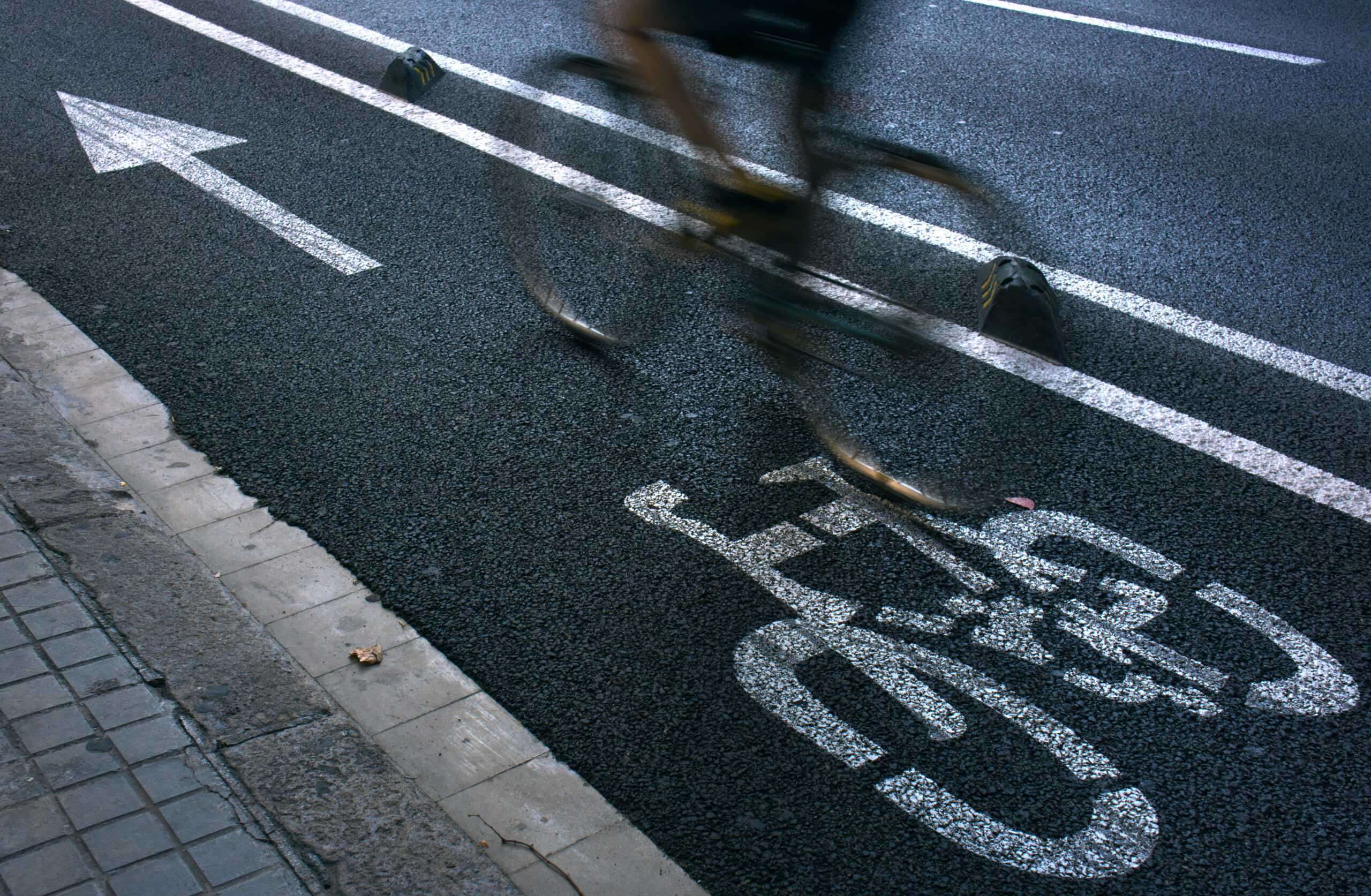
(Picture: Yay Images)