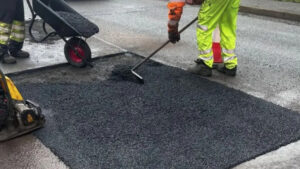
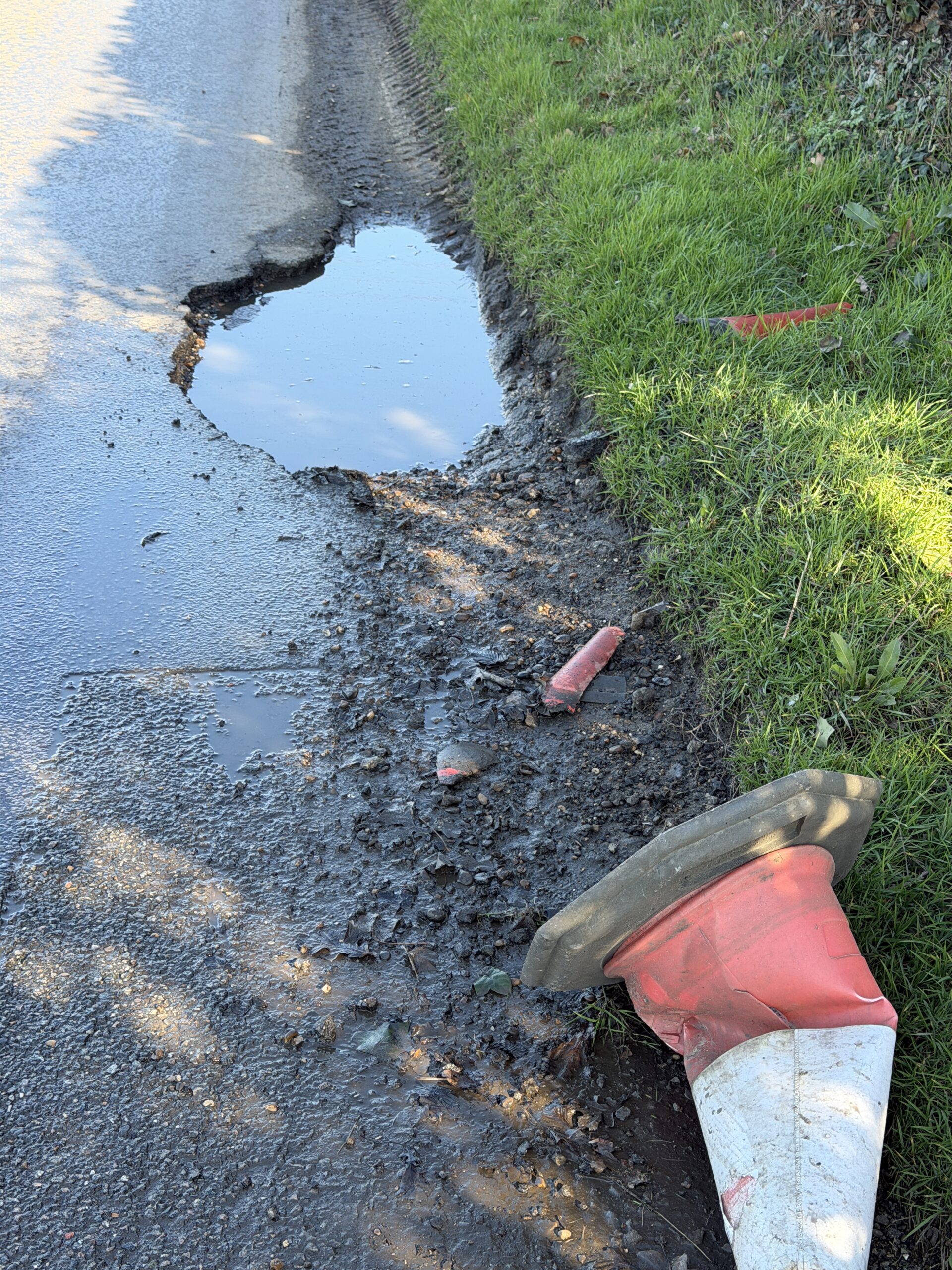
Councils must prove they are doing more to fix potholes and future-proof roads under tough new reporting requirements issued by the government.
For the first time councils will need to demonstrate publicly how well they repair their roads and what they are doing to avoid repeat visits to the same stretch of asphalt – encouraging full road resurfacing, preventing potholes and an end to short-term patch fixes.
Once these transparency reports are published in September (2026), everyone in England will be able to see just how well their council is tackling the pothole plague and exactly how many of their roads are due for resurfacing.
The Government has given local authorities a record £7.3 billion in long-term road funding to turn the tide on the pothole plague. The new guidance will be used to update the red/amber/green (RAG) ratings first published by the government earlier this year, showing what progress councils have made.
Those green-rated local authorities were able to demonstrate they are following best practice, such as investing in long-term pothole prevention and full road resurfacing rather than just patching up potholes.
If councils do not follow this new guidance, or fail to publish their reports on time, they will have almost a third of this year’s funding held back to ensure they are transparent with taxpayers.
Roads and Buses Minister Simon Lightwood said:
“For too long motorists have been left incensed by short-term work being prioritised over genuine long-term repairs. Thanks to our new guidance, that changes today.
“For the first time not only will councils need to show just how many potholes they are filling in, but what they are doing to avoid going back to fix the same pothole time and again – something which understandably infuriates drivers.
“This is backed by a record £7.3 billion investment to help councils deliver the long-term road repairs motorists deserve.”
With pothole related damage costing an average of £500, the action means safer, smoother drives and keeps that cash in your wallet. This cost is also felt by emergency services and organ donation charities, with some forced to shell out thousands of pounds every year to fix their life-saving vehicles.
All red-rated councils are receiving additional support from the government, including a total of £300,000 worth of expert help to help councils raise their standards and fix more roads.
Kerry Winstanley, Managing Director at the Local Council Roads Innovation Group (LCRIG), said:
“This guidance represents a significant step forward in how local road maintenance performance is measured and reported. Through extensive collaboration between government and local authorities, we have helped develop a clearer and more consistent approach that will make future red, amber, green (RAG) ratings more measurable, comparable, and meaningful across the country.
“That means road users, taxpayers and decision makers will have a clearer understanding of how local road networks are being managed and where improvements are being made. Better, more consistent data, will also help ensure investment and funding decisions are targeted where they can have the greatest impact, supporting long-term preventative maintenance planning and helping local authorities deliver more resilient road networks.”
David Giles, Chair of the Asphalt Industry Alliance, commented:
“Ensuring the right maintenance intervention is carried out at the right time is vital if local authorities are going to be able to make noticeable improvements to our local roads.
“This new guidance from the DfT, backed by the promise of increased investment, a longer-term funding horizon and greater accountability, will support highway teams in their efforts to do just that.
“It is another positive step towards supporting a long-term, pro-active approach to maintenance, which will allow authorities to shift the focus away from an endless cycle of pothole patch and repair and improve the condition and resilience of our local roads.”
(Picture: Paul Hutton/Highways News)