Leading highways organisations and contractors have agreed the next steps in a coordinated industry campaign to tackle abuse of roadworkers and incursions into worksites.
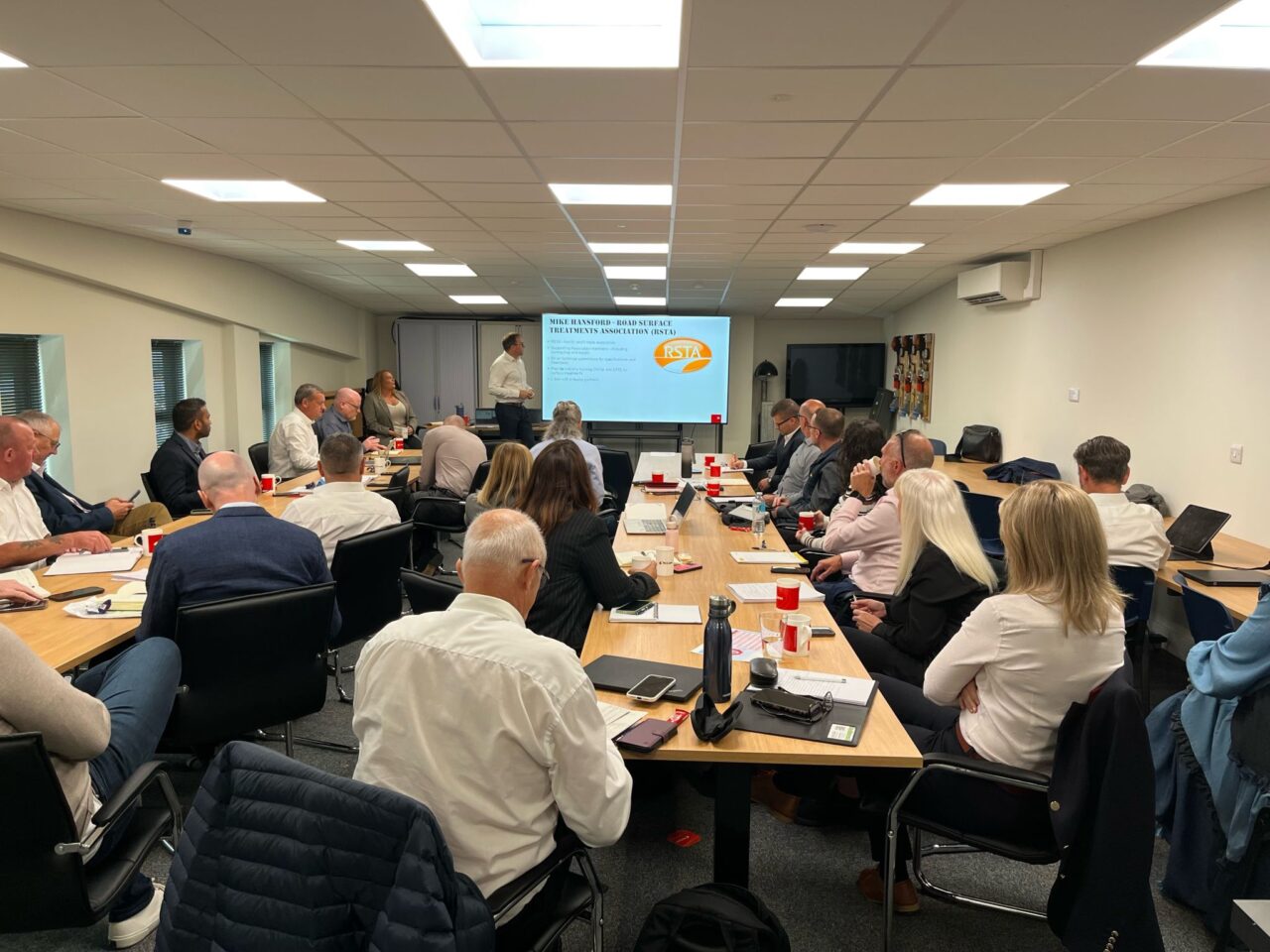
Representatives supporting the No Excuse for Roadworker Abuse initiative met at McCann’s training centre in Nottingham to agree its governance structure, select its Companies House directors and finalise plans for a formal launch this autumn.
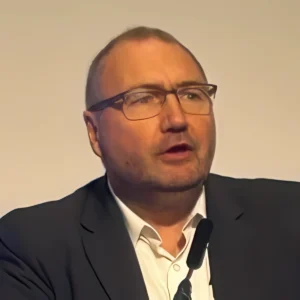
The initiative is chaired by McCann’s Paula Parsons, with Andy Murray from Tarmac Traffic Management serving as vice-chair. Industry consultant Neil Levett, who has been appointed as one of its directors, said the organisations involved wanted to deliver “meaningful change and discernible outcomes” from the industry’s collective effort and investment.

Most of the sector’s main Tier One contractors are supporting the initiative, alongside organisations including the Traffic Management Contractors Association, Road Surface Treatments Association, Road Safety Markings Association, LCRIG, CECA, National Highways, HAUC(UK) and the Institute of Highway Engineers.
Contractors Kier, Balfour Beatty, Skanska, Galliford Try, FM Conway and Costain, together with their supply-chain partners, will collaborate by submitting roadworker abuse and incursion information to the RAISE reporting system.
Mr Levett said this would create what the initiative describes as the UK’s only central repository for such information, allowing members and contributors to submit and retrieve sector-wide incident data free of charge.
By bringing information from across the supply chain into one place, the initiative aims to build a clearer national picture of the scale and nature of incidents affecting roadworkers and support more effective industry action.
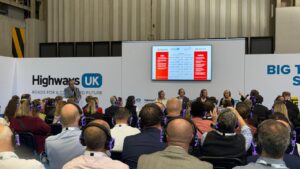
The No Excuse for Roadworker Abuse campaign will be represented at LCRIG’s Strictly Highways event next month before its main launch at Highways UK at the NEC Birmingham the week later.
Writing on LinkedIn, Mr Levett said the initiative showed how companies and organisations were putting “competitive rivalries to one side” to address the issue collectively.
(Picture – Neil Levett/LinkedIn)