
Contractors, local authorities and highways organisations are being urged to share incident data and adopt a common campaign to tackle roadworker abuse, as industry leaders seek to turn individual safety initiatives into a coordinated national response.
The No Excuse for Roadworker Abuse (NEFRA) campaign is bringing together clients, contractors and associations to improve reporting, identify patterns and develop practical measures to protect people maintaining the road network.
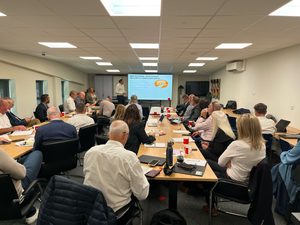
The initiative was a central theme of the Highways UK session “Roadworker safety: explaining how the industry has come together”, chaired by roadworker safety campaigner and Levett Business Services owner Neil Levett.
Mr Levett said National Highways recorded 814 incursions between January and July, with more than half involving drivers entering restricted areas to “seek benefit”. With its network covering only around 3% of England’s roads, the figures raise questions about the scale of the problem across the wider local road network.
Speaking after the event, Mr Levett said:
“Nobody should go to work expecting to be threatened, assaulted or put at risk by someone driving through their workplace. For too long, people have treated abuse as something roadworkers simply have to put up with. We need to make it clear that it is unacceptable, and back that message with practical action.
“The industry has considerable experience of protecting its people, but we will achieve more by sharing that experience, recording incidents consistently and presenting one clear message to the public.”
Campaign chair Paula Parsons, of J McCann & Co, told the Highways Voices podcast from Highways UK that NEFRA’s ambition is to eradicate roadworker abuse by bringing organisations together.
“It’s important that we get everybody away from working in silos on this issue,” she said, explaining that a collective approach would allow organisations to share data, identify trends and map problem locations.
The campaign intends to use that evidence to develop guidance, share best practice, support conflict training and improve public understanding of roadworks. Encouraging roadworkers to report incidents is another priority.

Ms Parsons described abuse ranging from verbal threats and objects being thrown to physical attacks. She recounted being told of an incident in which a surfacing worker on a local authority road was struck over the head with a hammer.
“Any form of abuse from verbal can have a significant impact on people’s mental health and wellbeing,” she said.
Businesses, councils and associations are being asked to pledge their support and contribute incident data, helping the campaign understand both the scale of the problem and the circumstances behind it.
The Highways UK session brought together Teresa Moss of National Highways, Joanna Vezey of Balfour Beatty, Ms Parsons, John Coombes of Kier Infrastructure and Kerry Winstanley of the Local Council Roads Innovation Group.
Its focus linked work through the Supply Chain Safety Leadership Group with the experience of clients, Tier One contractors and local authorities, highlighting the need for a shared approach across both strategic and local roads.
Kier has become the first Tier One contractor to move from its own campaign to the shared industry initiative, replacing its “Expect Respect” branding with NEFRA on its work across Transport for London’s network this autumn.
The session also explored whether highways needs a national approach modelled on football’s RESPECT programme, with clearer expectations of public behaviour around roadworks, greater emphasis on roadworker safety in driver education and the potential for motoring penalties to reinforce the message.
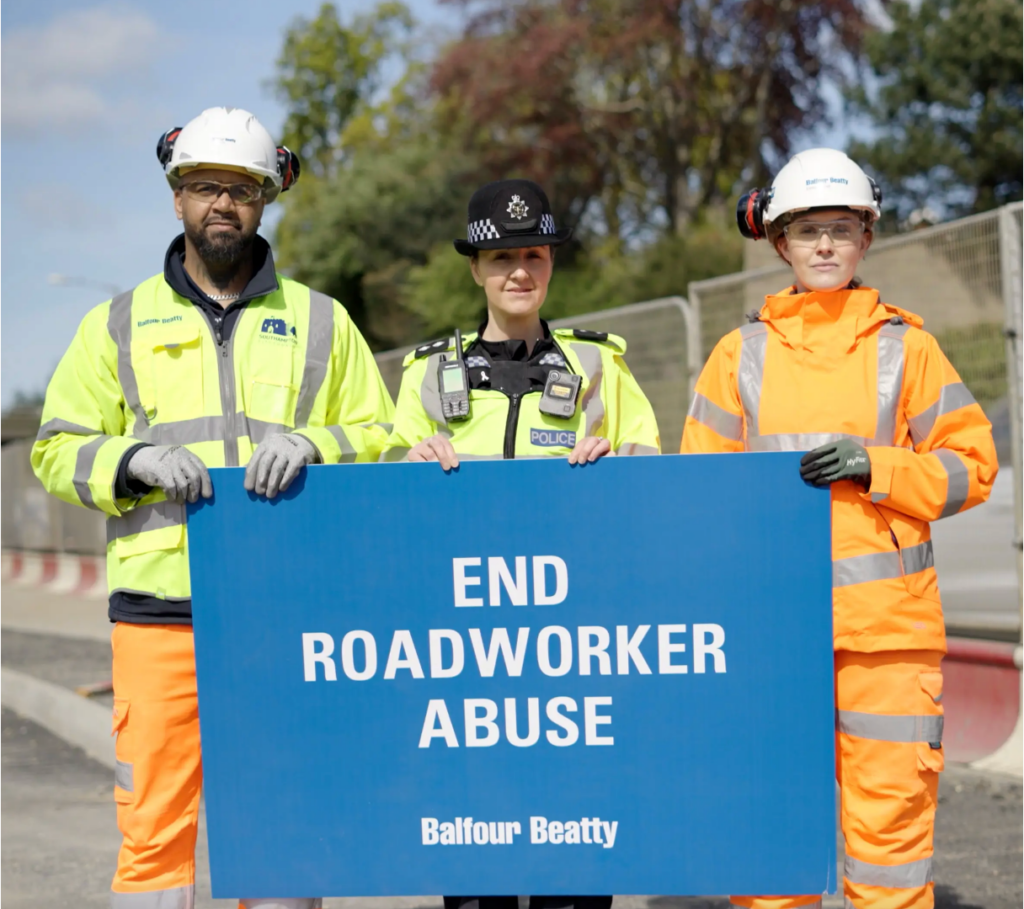
Delegates were urged to visit stand D2A, sign the NEFRA pledge and take Road Worker Safety Week materials back to their teams to help turn support into practical action.
“Our message needs to reach every road user: the people behind the cones are doing an essential job. Frustration with a delay can never justify abusing them or putting their lives at risk,” Mr Levett added.
“Every organisation can contribute now by supporting its people, encouraging reporting and sharing what works. A common campaign gives us the opportunity to make that message much stronger.”
Road Worker Safety Week will run from 16–20 November, with contractors and National Highways collaborating on toolbox talks, videos, standards, guidance and best practice.
Ms Parsons said materials would be free to access and share through the NEFRA website and National Highways Safety Hub. Her ambition is for everyone associated with the road network to be involved, with a year of shared data informing practical changes and a steady decline in incidents of abuse.
(Pictures: Libby McMahon/Highways News; NEFRA; Balfour Beatty)