
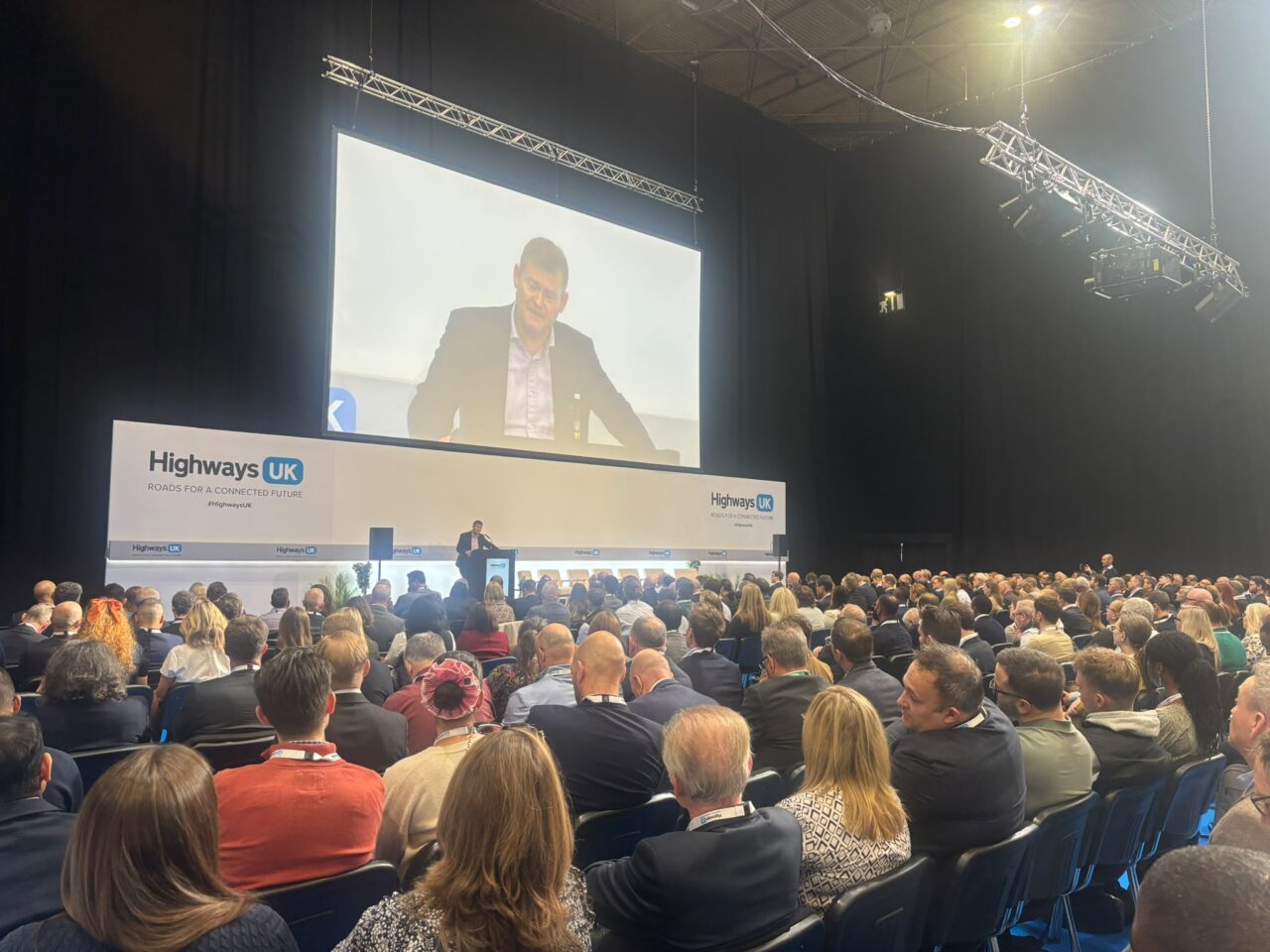
Roads Minister Justin Madders has warned that the Government cannot afford all proposed local road schemes, while promising to move into delivery on major investment programmes and hold councils accountable for maintenance funding.
Speaking at Highways UK at Birmingham’s NEC, Mr Madders outlined funding commitments for strategic and local roads, plans to unlock private investment in the Lower Thames Crossing and a greater role for mayors in future investment decisions.
But he said financial pressures meant the Government had to make difficult choices over which projects could proceed.
“We’re not able to fund all the schemes that were proposed in the Major Road Network Programme,” he told delegates. “Government must be responsible with public money, especially as global instability continues to impact finances at home.
“I’m not in the business of pretending we can afford schemes when the money simply isn’t there to support them.”
Mr Madders said more than £1 billion would be invested up to 2030 in 44 local road schemes to help communities grow and stay connected.
For the strategic road network, he described the £27 billion third Road Investment Strategy, RIS3, as one of the largest road investment plans ever, saying National Highways’ five-year settlement would support renewals, maintenance and key enhancement projects.
“This year we’re hitting the delivery phase,” he said, adding that the settlement gave the sector greater confidence to plan and deliver work.
He said investment through National Highways’ supply chain would support jobs, businesses and skills, including apprenticeships, training programmes and industry partnerships.
Highlighting the A66 dualling scheme and Lower Thames Crossing, Mr Madders said he would steer a Bill through Parliament this week to unlock private investment in the Thames project. He said this would also pave the way for future investment in the wider network.
The minister also promised closer working with mayors on future strategic road investment decisions and other issues affecting major roads in their areas. Further details would follow in a Government delivery plan later this autumn.
On local road maintenance, Mr Madders reiterated a commitment to provide councils with £7.3 billion for repairs over the next four years, saying the funding should enable a shift from short-term patching to long-term prevention.
However, he stressed that significant funding must be accompanied by transparency, with councils assessed through the Government’s traffic light rating system.
Authorities had just completed annual reports on road upkeep to unlock the next stage of funding, he said. The latest returns suggested councils had spent £800 million more on maintenance this year, with full details to be announced shortly.
Councils previously rated red were receiving peer support to improve, while refreshed highways infrastructure guidance would support authorities across the country.
Mr Madders also said he would shortly announce which bridge, tunnel and flyover repair schemes would receive grants through the Government’s structures fund.
Turning to road safety, he reiterated the strategy’s target to reduce deaths and serious injuries by 65% by 2035, saying delivery was already under way.
He pointed to the first meeting of the National Road Safety Board in June and a consultation response on vehicle safety technologies published in July. A new THINK! campaign to tackle speeding would launch next week.
“Roads are a priority for this Government,” he concluded. “But we can only make British roads better in partnership with you.”
(Picture – Highways UK)