Bus service improvements, new cycle paths and more accessible railway stations are amongst a list of 20 priorities that have been set out for how to spend £643m of transport funding in Lancashire.
The cash pot is the amount the county will be given by the government over the next four years – and the Lancashire Combined County Authority (LCCA) devolution body has now decided the various ways in which it will be used, says the Lancashire Post.
The organisation approved its Local Transport Delivery Plan (LTDP) at a recent meeting. It details the county’s ambitions for the transport network between 2026/27 and 2029/30.
Money is largely allocated to overarching project areas rather than specific schemes – with the exception being the £28.2 million earmarked for the new Cottam Parkway station in suburban Preston.
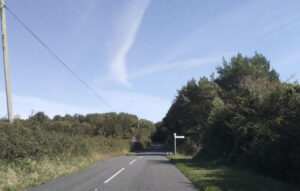
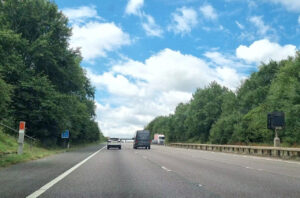
Highways maintenance funding accounts for the largest share of Lancashire’s transport finance allocation from the government – a total of £268m in capital spending across the four-year period. That cash is now funnelled through the LCCA, although the individual highway authorities of Lancashire County Council and Blackpool and Blackburn with Darwen councils remain responsible for the roads in their respective areas.
The remainder of the capital cash is split between an Integrated Transport Fund and a Bus Services Fund. Mayor-led areas like Lancashire’s neighbours in Greater Manchester and Liverpool City Region are handed a single grant for maximum flexibility in how the funding is spent.
The Local Transport Delivery Plan divides capital and revenue funds into specific regional priorities, including:
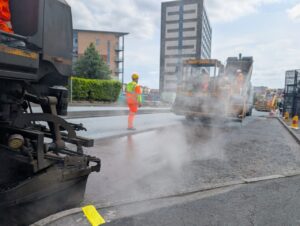
- Carriageway Maintenance: £188.7 million dedicated to general repairs, resurfacing, and road improvements.
- Road & Infrastructure Major Maintenance: £95.7 million allocated for new or replacement roads, bridges, and major structural work.
- Roadside Infrastructure Upgrades: £90.3 million invested in traffic signals, street lighting, and pedestrian crossings.
- Bus Infrastructure Improvements: £64.8 million for upgrading bus stops, stations, and ticketing systems.
- Bus Services Support: £43.6 million used to subsidize commercially unviable or rural routes.
- Active Travel Facilities: £49.0 million to build and design local cycling and walking networks
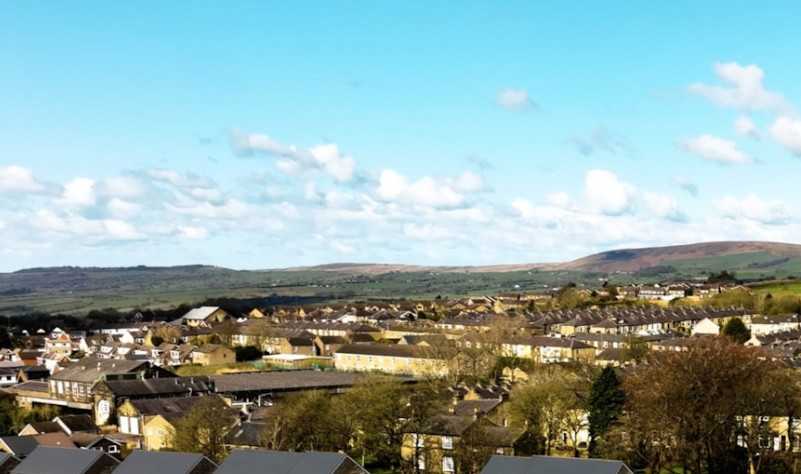
(Picture: Lancashire County Council)