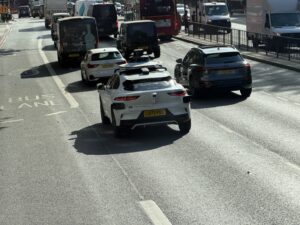
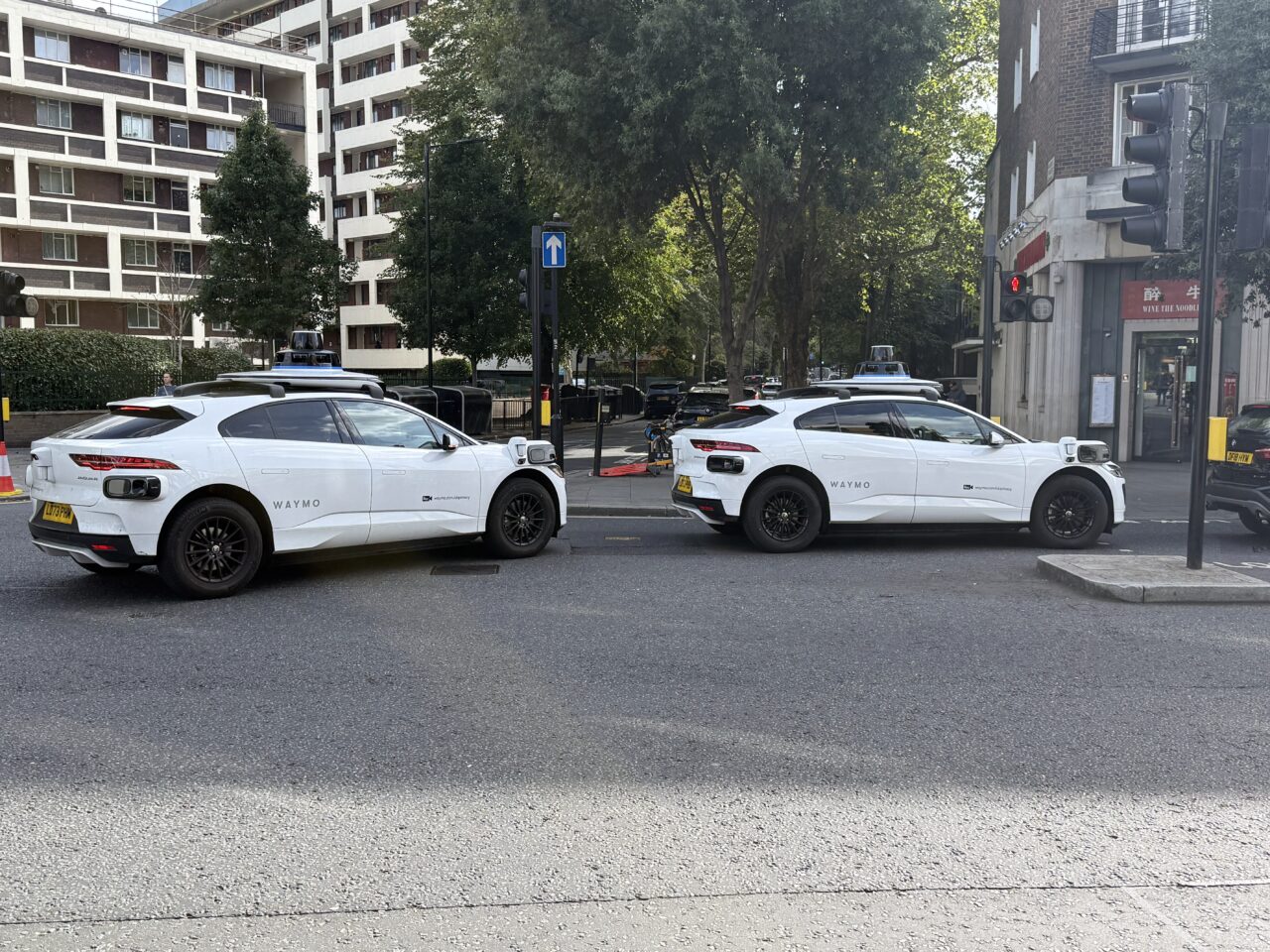
London’s ambition to become the first major European city to introduce fully driverless cars has been dealt a blow after a London Assembly transport committee warned the capital is not yet ready for the technology.
In its report, Who’s driving the future of autonomous transport in London?, the committee said it had “not heard sufficient evidence” to support the introduction of robotaxis, according to The Times. It called on Transport for London (TfL) to withhold approval for operators including Waymo, Wayve and Baidu until appropriate safeguards are in place.
A key concern is that TfL currently lacks the powers to limit the number of driverless vehicles on London’s roads or withdraw an operator’s licence if problems arise.
The warning comes as the government continues to target the introduction of fully driverless cars on UK roads by the end of the year. However, TfL has yet to publish crucial guidance setting out how operators can obtain a licence. The authority is understood to have been awaiting the Assembly committee’s findings.
The 66-page report sets out 13 recommendations that the committee believes should be addressed before the technology is introduced in London.
Among them is a call for the government to give TfL powers to issue and revoke permits for driverless vehicles, similar to its existing powers over conventional taxis. This would enable the authority to set operating conditions, including where robotaxis can pick up and drop off passengers and whether they should be restricted from certain areas.
The committee also wants clearer safety reporting requirements, including a formal definition of incidents involving robotaxis that covers, at a minimum, crashes and near misses.
While operators must notify the government of critical incidents, including collisions, injuries and safety-critical component failures, within 24 hours of becoming aware of them, there is currently no equivalent requirement to report near misses.
The report also recommends introducing an “empty miles driven” metric to track how far driverless vehicles travel without passengers while waiting for their next booking. Known as deadheading, this practice has contributed to congestion in US cities and could create similar challenges on London’s roads.
The potential impact on the existing taxi and private hire sector is another concern. The committee said it had heard from drivers “desperately worried” about their livelihoods and called for a fair transition, including support for retraining and redeployment, measures to manage job losses and funding to help the sector adapt.
The recommendations echo concerns raised by major taxi driver unions as the UK prepares for the wider introduction of autonomous vehicles.
(Picture: Emilio Gonzalez)