As cities around the world prepare to host increasingly large sporting events, concerts and festivals, ensuring the safe and efficient movement of tens of thousands of visitors has become one of the biggest operational challenges for organizers.
To raise awareness of the hidden mobility challenges behind major events, PTV Group has published its Top 10 Event Mobility Risks, highlighting the most common factors that can lead to congestion, delays, overcrowding and safety concerns.
Whether it is a sold-out football match, a music festival or a major international sporting event, the success of an event increasingly depends on what happens outside the venue as much as inside it.
“Most visitors only experience the event itself, but behind the scenes, organizers must manage the movement of tens of thousands of people across roads, public transport networks, pedestrian routes and venue access points,” said Devrim Kara, Managing Direktor for UK at PTV Group.
“The goal is not only to provide a safe and seamless visitor experience, but also to minimize the impact on local residents and businesses. Many of the biggest risks are not obvious until they are tested through simulation.”
The Top 10 Event Mobility Risks
1. Station and Public Transport Overcrowding
Large numbers of attendees arriving or departing simultaneously can quickly overwhelm train stations, bus terminals and transit hubs, creating delays and safety concerns.
2. Venue Exit Bottlenecks
The period immediately after an event often generates the highest concentration of pedestrian movement, creating congestion at exits and surrounding infrastructure.
3. Security Checkpoint Congestion
Long queues at security checkpoints can delay entry, reduce visitor satisfaction and create crowding risks before the event even begins.
4. Unexpected Public Transport Disruptions
Service interruptions, delays or reduced capacity can significantly affect attendee movements and increase pressure on alternative transport modes.
5. Road Closures and Traffic Incidents
Even minor disruptions on key access routes can create cascading effects throughout the transport network surrounding an event.
6. Ride-Hailing and Taxi Surge Demand
Concentrated demand for taxis and ride-sharing services can generate local congestion and operational challenges around pickup and drop-off zones.
7. Poor Wayfinding and Visitor Information
Missing and non-explicit signage or unclear information can lead to inefficient pedestrian flows and unnecessary crowd accumulation.
8. Parking Overflow and Access Conflicts
Insufficient parking capacity or poorly coordinated parking operations can create congestion long before visitors reach the venue.
9. Extreme Weather Events
Heat, heavy rain, storms or snow can significantly alter travel behavior and crowd movement patterns, requiring rapid operational adjustments.
10. Restricted Emergency Access
Maintaining clear routes for emergency services remains critical throughout an event and requires careful planning under varying crowd and traffic conditions.
Why Simulation Is Becoming Essential
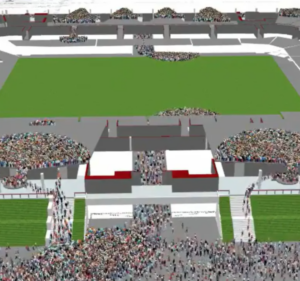
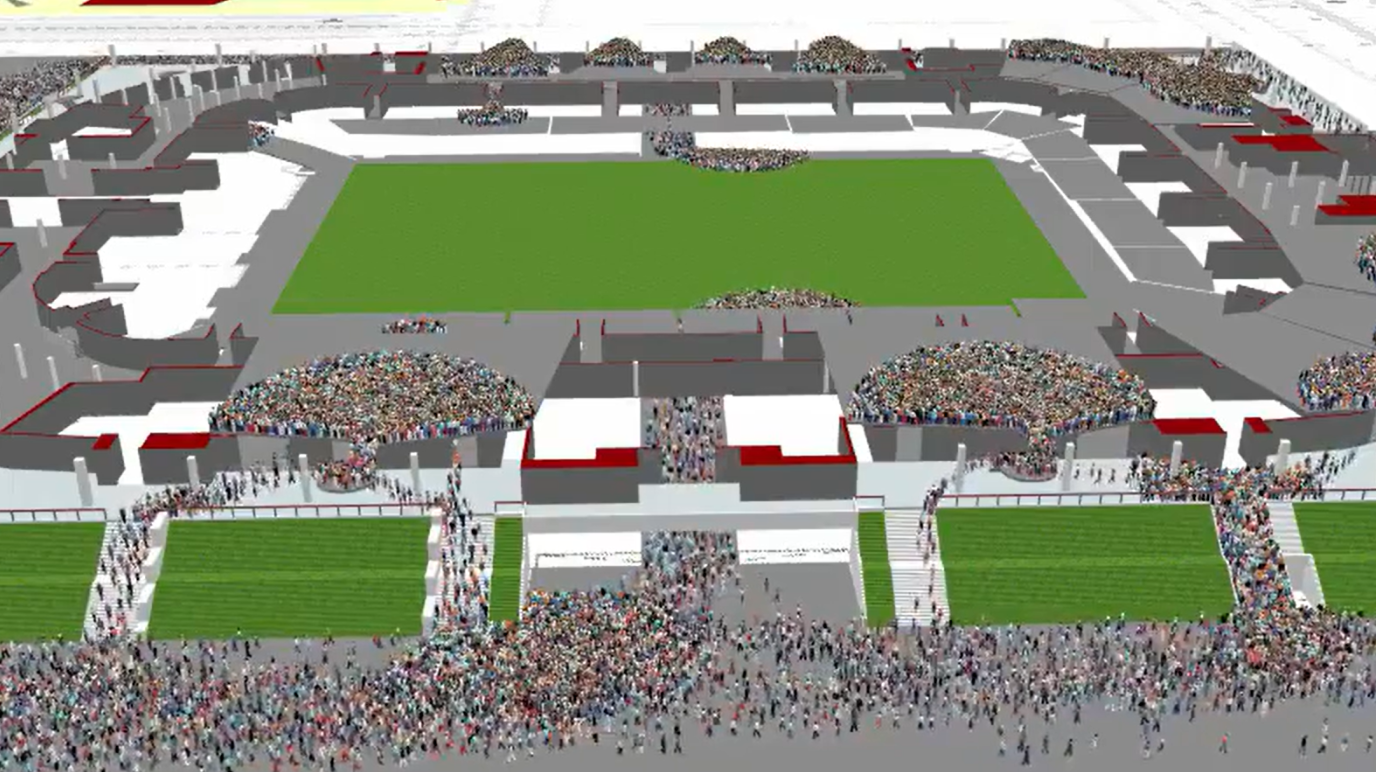
According to PTV experts, traditional planning approaches are increasingly insufficient for today’s large-scale events. Advanced traffic and pedestrian simulations allow planners to evaluate thousands of possible scenarios before an event takes place. By creating digital representations of roads, public transport systems and pedestrian infrastructure, planners can identify bottlenecks, test emergency procedures and optimize operations without disrupting real-world traffic.
“The question is no longer whether major events should be simulated, but how early simulation can be integrated into the planning process,” said Kara. “The ability to test scenarios before they happen helps organizers make more informed decisions and improve both safety and visitor experience.”
(Picture: PTV Group)-