Concerns that self-driving cars may not pick up pedestrians depending on what they’re wearing emerged during a recent London Assembly meeting.
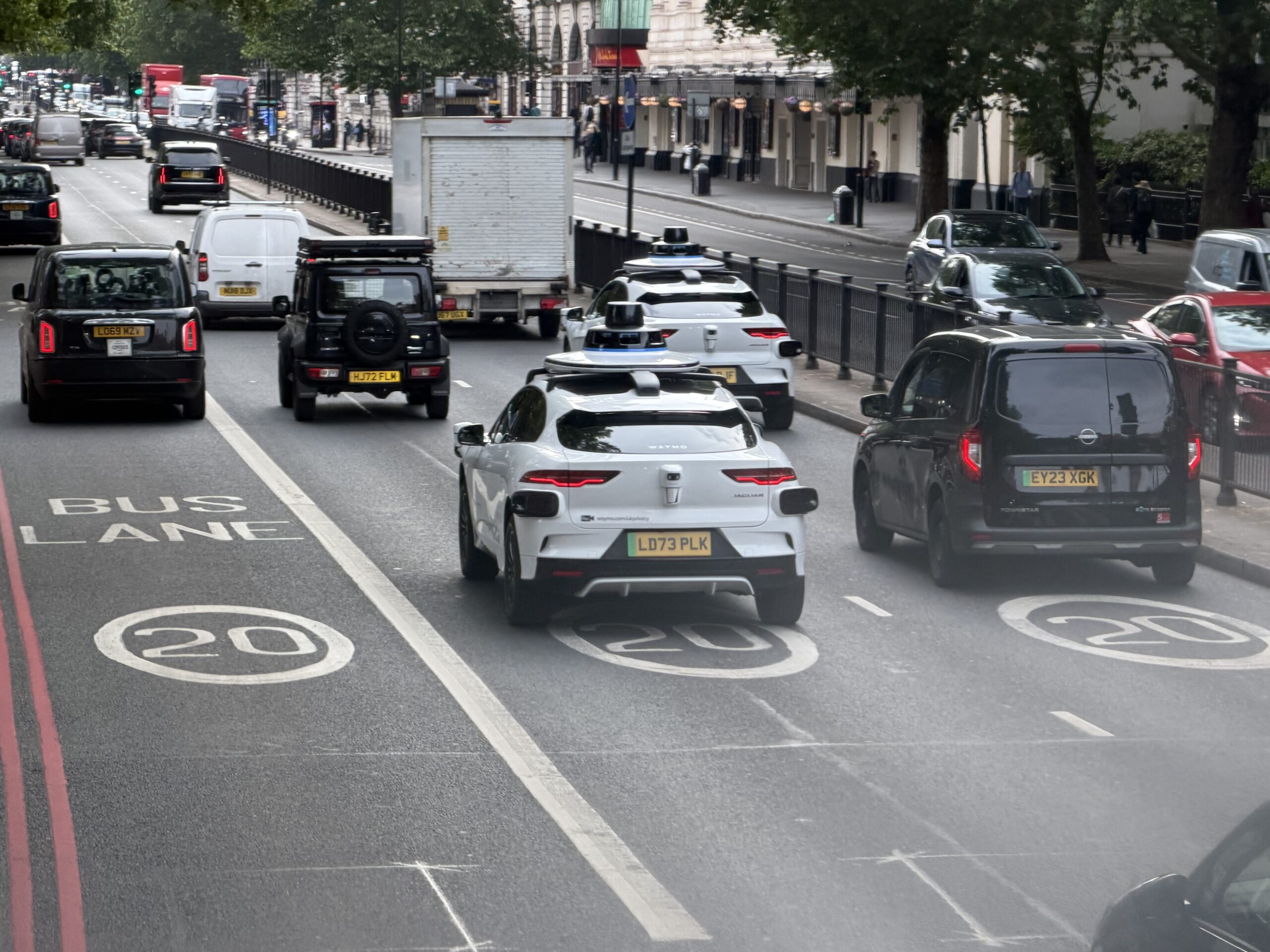
The warning comes as driverless taxis or robotaxi trials are currently under way in London, with operators including Waymo looking to launch passenger services later this year, says the London Evening Standard.
When asked why AVs might struggle to detect a pedestrian, Professor Siddartha Khastgir, Head of Safe Autonomy at Warwick Manufacturers Group, University of Warwick, said:
“We have experimental evidence from our collaborators in Canada who have shown to us that, depending on the clothing of the pedestrian, the sensors may or may not detect the pedestrian. So, for example, winter clothing could be part of this.”
Prof Khastgir said AVs must be trained to recognise people with a wide range of appearances to reduce the risk of “bias” in pedestrian and cyclist detection.

“We have worked with the regulators and the developers to ensure we come up with what we call a classification of all different things that should be part of the training set,” Professor Khastgir added.
He said the training data should account for factors such as whether a cyclist or pedestrian is wearing reflective clothing, thick winter clothing or shorts on a hot summer’s day.
“All those things need to be part of the training data set so this bias[…] is not part of the detection process.”
AVs are approximately 20% more likely to detect adults than they are to detect children, according to research from King’s College London and they are just over 7.5% more likely to detect white people than they are ethnic minorities.
After the hearing Professor Khastgir told Highways News:
“Any deployment of self-driving cars or robotaxis in London will need to go through a rigorous approval process which is set in the recently adopted United Nations’ regulation for Automated Driving System with the UK playing a leading role in its development.
“This process will not only look into the self-driving software, its capabilities, limitations, vehicle behaviour, but most importantly, it will scrutinise the process of development and the safety culture of the developers’ organisation. When regulating an emerging technology, it is like exploring the unknown. As a result, scrutinising the process of development (and not just the performance) becomes essential.”
(Pictures: Olga Gonzalez; University of Warwick)