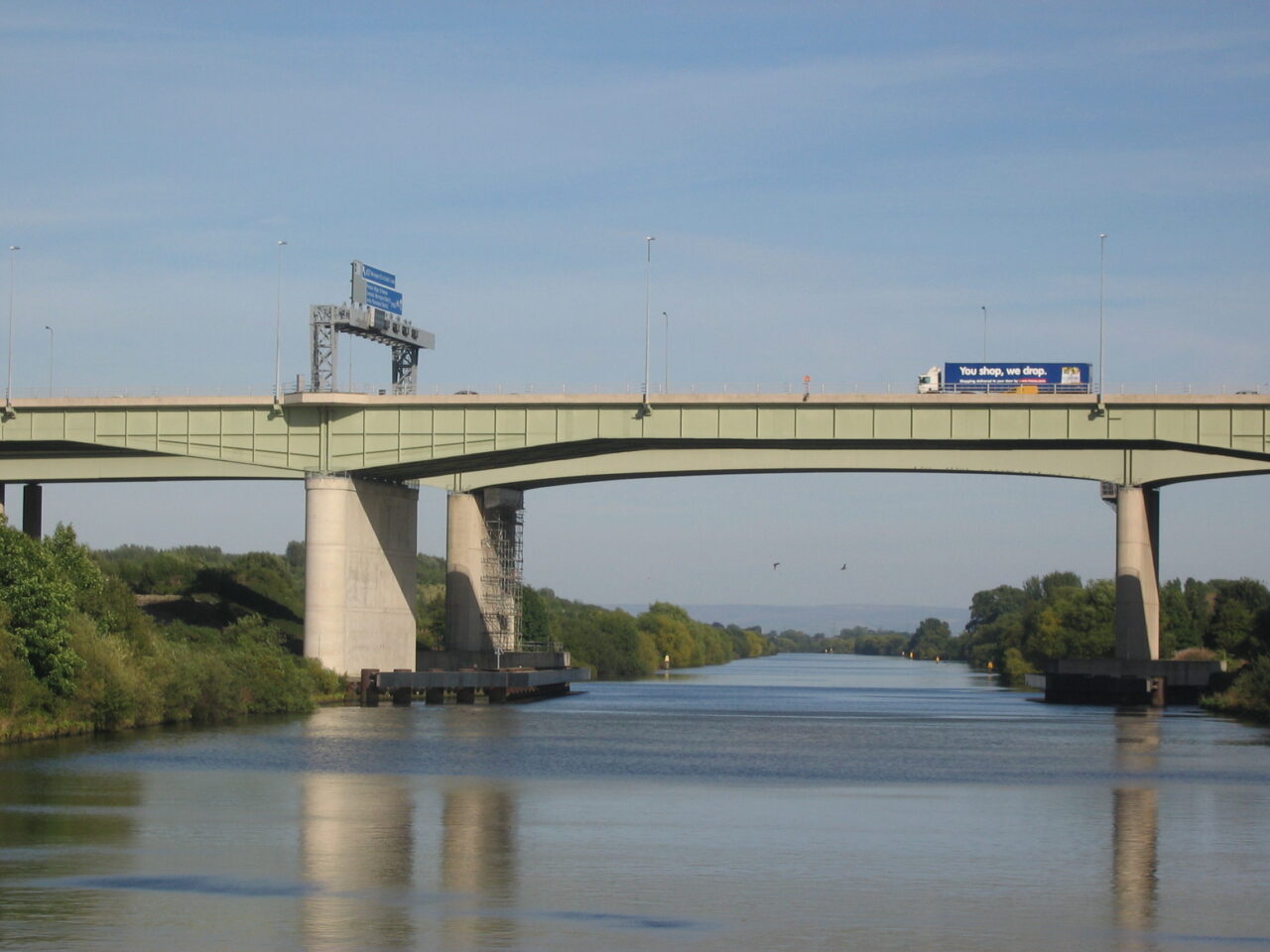
The Thelwall Viaduct, which carries the M6 across the Manchester Ship Canal and the River Mersey, is set to undergo vital upgrade work.
Starting in September, National Highways will be replacing bridge joints on both the north and southbound structures, which are up to 4,500 ft in length and carry upwards of 180,000 vehicles a day.Replacing these joints, which let the bridge safely expand, contract, and shift with temperature changes, weight loads, and wind, is essential to keep the bridge working safely and effectively, to reduce the risk of unexpected closures, and minimise disruption for road users.
The scheme, in Lymm, Warrington, forms part of the Government’s £27 billion five-year Road Investment Strategy which has allocated £8.4 billion for resurfacing carriageways and renewing bridges between 2026 and 2031.
Chris Court, Programme Delivery Manager at National Highways, said:
“Our road network is ageing, and many key structures, including Thelwall Viaduct, were built several decades ago. The viaduct’s joints have now reached the end of their operational lifespan, making replacement essential to maintain safety and reliability for road users.
“This investment will help secure the long-term future of the structure, ensuring this vital route remains safe, resilient and fit for purpose. A well-maintained road network is crucial for supporting businesses, creating employment opportunities and driving regional economic growth.”
Work will start on 1 September, with scaffolding being installed underneath the bridge, for access to the joints, with overnight work on the M6 starting on 28 September between junctions 20 and 21. The project is due to be completed by winter 2027/28.
A 24/7 contraflow system will be put in place from 12 October running from just after junction 20 to 21 on the northbound carriageway and from just before junction 21 to before junction 20 on the southbound carriageway. This approach is the safest way to carry out work while keeping disruption as low as possible and significantly reducing the number of motorway closures.
(Picture: National Highways)