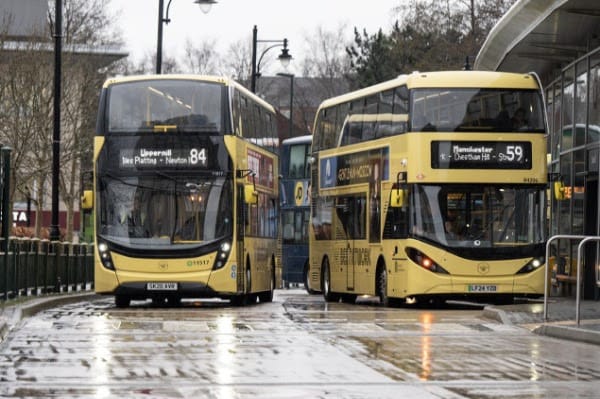
More than 11 million bus journeys are being made every day across Britain, with new figures highlighting the continued importance of bus services and significant progress in investment in cleaner, more accessible vehicles.
The latest Department for Transport (DfT) annual bus statistics, covering the year to March 2026, show that buses continue to play a major role in the country’s transport network, while operators are making progress in modernising their fleets and improving the passenger experience.
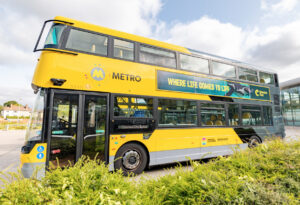
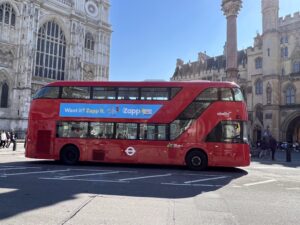
One of the most encouraging findings is the growth in zero-emission vehicles, with their share of the overall bus fleet increasing from 13% to 18% in the latest year.

A further 12% of buses are hybrid vehicles, while 47% operate with Euro VI diesel engines, highlighting the scale of investment in reducing emissions across the sector.
The figures also demonstrate how technology and accessibility have become increasingly established features of Britain’s bus network.
According to the Confederation of Passenger Transport (CPT), 98% of buses are now fitted with CCTV, 97% accept contactless payments and 99% meet accessibility requirements.
Passenger demand remains substantial, with approximately 11 million journeys made daily. Although total journeys across Britain fell by 2% in the year to March 2026, the picture varied across the country.
Scotland recorded a 3% increase in passenger journeys, while Wales saw growth of 1%.
In England, journeys fell by 3%, with the increase in the national single-fare cap from £2 to £3 identified by the CPT as a contributing factor.
The organisation also highlighted the performance of areas where operators and local authorities have developed strong partnerships. Portsmouth, Oxfordshire and West Sussex all recorded increases in bus journeys, alongside growth in the West of England Combined Authority.
In Greater Manchester, continued support for the £2 Bee Network fare cap has also helped drive passenger growth.
The figures underline the importance of collaboration between operators and public authorities in supporting passenger numbers and developing attractive bus networks.
Bus operators also ran more than one billion vehicle miles during the year, demonstrating the scale of the services being delivered across Britain.
Graham Vidler, chief executive of the CPT, said the statistics demonstrated the enduring importance of bus travel and the value of cooperation between the commercial sector and government.
He said: “Buses are the backbone of public transport in Britain and services are as popular as ever in many parts of the country.”
Vidler added that the increase in zero-emission vehicles reflected the industry’s continued investment in its fleets.
“The industry continues to work alongside public sector partners to make travelling as safe, convenient and environmentally friendly as possible,” he said.
(Picture: TfGM)