“Devon and Cornwall is showing what can be achieved when road safety technology becomes part of a sustained programme. We are seeing improvements in behaviour that last, and this expansion gives us the opportunity to reach many more drivers.”
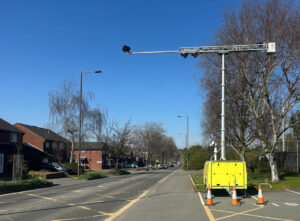
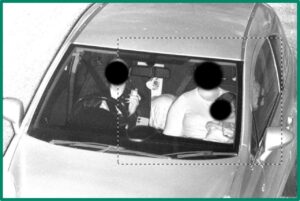
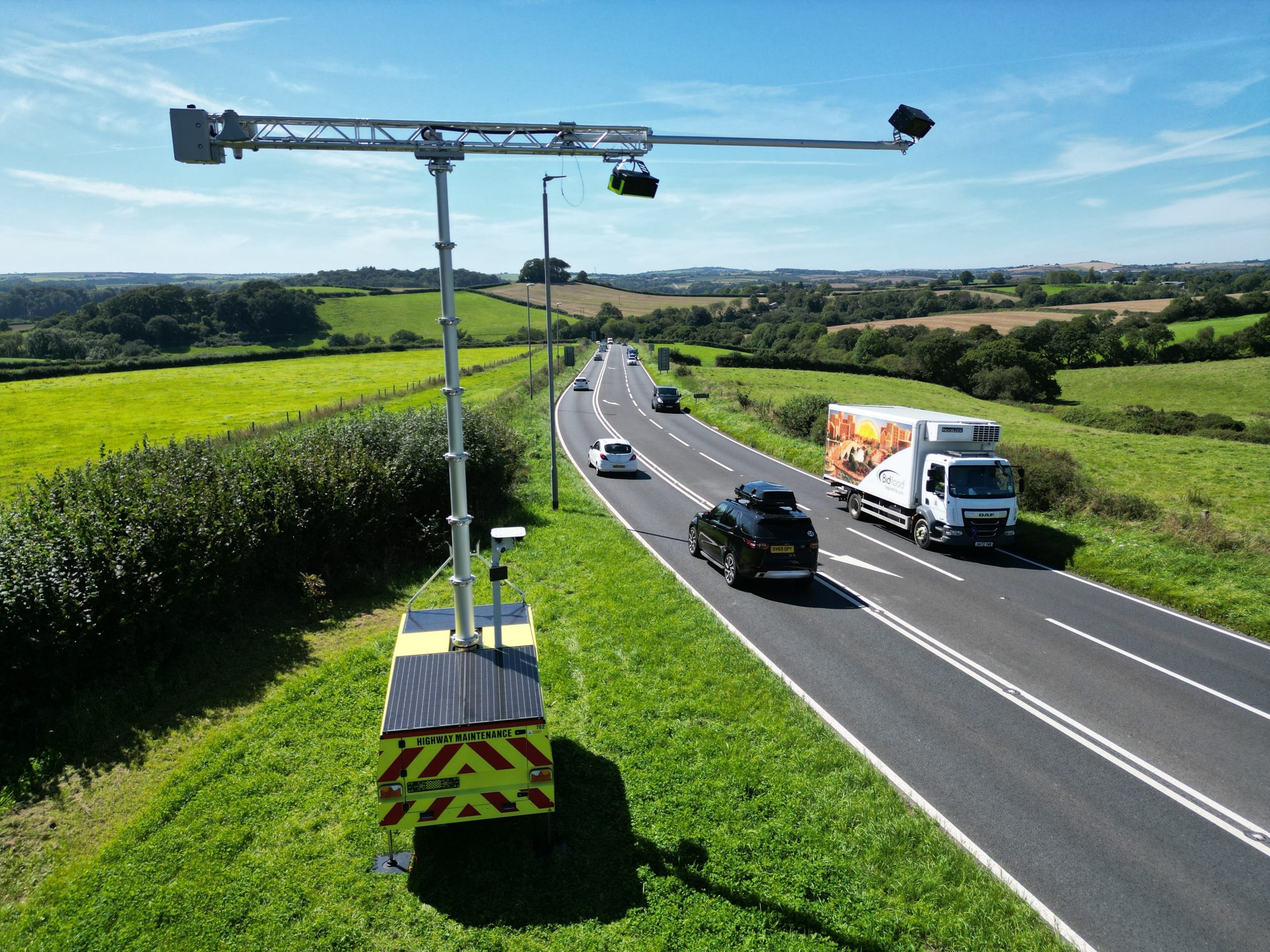
So says Geoff Collins, UK General Manager of road safety technology company Acusensus, following the announcement that cameras detecting illegal mobile phone use and seatbelt offences will operate across more of the region’s strategic road network.
National Highways has agreed to support further deployment on the A30, A38 and M5 until the end of April 2027, building on work with Devon & Cornwall Police and the Vision Zero South West road safety partnership.

“We have been operating in Devon and Cornwall since 2022, and the evidence shows both immediate and lasting reductions in poor behaviour,” Mr Collins explains. “Compliance in the region is excellent, demonstrating that a structured, long-term operation can deliver results.
“The important point is that improvements continue beyond the initial deployment. Drivers are getting the message about putting their phones away and wearing their seatbelts, rather than simply changing what they do as they pass a camera.”
Vision Zero South West research suggests the Acusensus camera sites typically see offences halve during a month of operation, with an 80% longer-term reduction when cameras return. More than 6.5 million vehicles have been monitored, identifying over 8,500 offences. Fewer than 1% of vehicles monitored were detected committing an offence.
Mr Collins believes the region’s willingness to embrace innovation offers lessons for other police forces and road authorities.
“Devon and Cornwall has been a real innovator in this space, bringing technology, enforcement and public awareness together,” he continues. “We believe our work forms a significant part of that wider effort. Changing these dangerous behaviours has an important role to play alongside the partnership’s other interventions.”
Vision Zero South West has separately reported provisional figures showing 49 people died and 495 were seriously injured on the region’s roads in 2025, almost 20% fewer killed or seriously injured than in 2024. Across Great Britain, Department for Transport figures show KSI numbers have remained relatively stable over the past decade, excluding the pandemic period.
“The motorway deployment marks a further step for the programme, and will be our first sustained motorway operation, extending beyond the one or two weeks associated with a short trial,” Mr Collins explained. “This section of the M5 can carry around 100,000 vehicles a day, so the opportunity to influence behaviour is considerable.
“Extending operations across the M5, A30 and A38 means reaching many more people, including drivers travelling into and through the region.”
Mr Collins also challenges suggestions that camera enforcement unfairly targets motorists.
“A small number of commentators will loudly describe this approach as ‘a tax on otherwise law-abiding motorists’. But we do not get to choose which parts of the law apply to us,” he said.
“If fining people for illegal mobile phone use is a tax, then it is an entirely voluntary one, paid only by those who choose to break the law and put themselves and others at risk.
“The best outcome is that nobody receives a penalty because everyone puts their phone away and buckles up. The reductions we are seeing in Devon and Cornwall show that sustained enforcement can help move us towards that.”
(Picture – Acusensus/Vision Zero South West)