The UK General Manager of road safety technology company Acusensus is warning that an AI camera trial which flagged nearly 19,000 potential mobile phone and seatbelt offences in just two weeks provides further evidence that dangerous behaviour on Britain’s roads must be taken seriously.
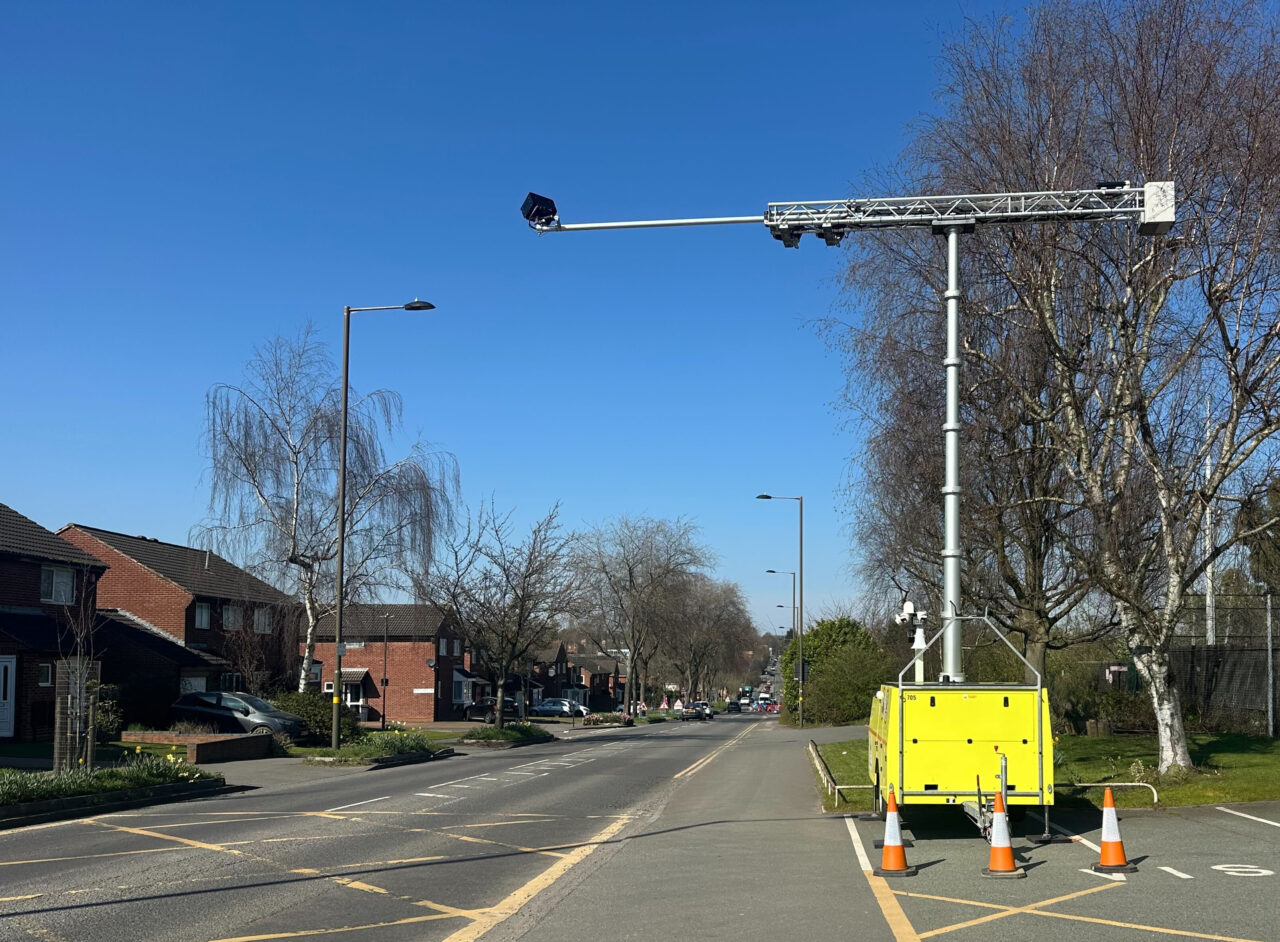
Geoff Collins was responding to findings published by Transport for West Midlands following a trial in March outside fire stations in Birmingham and Wolverhampton, using technology supplied by Acusensus.
“Trial after trial tells the same story: people are continuing to ignore the law on using mobile phones at the wheel and wearing seatbelts,” he explained. “These results provide yet more evidence that this is a real road safety problem which demands serious attention. Every one of these behaviours has the potential to turn an ordinary journey into a tragedy.”
Initial scans at Ladywood fire station flagged 11,045 potential seatbelt offences and 1,163 potential mobile phone offences. At Fallings Park, the figures were 6,030 and 757 respectively.
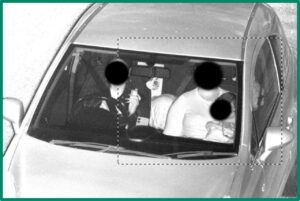
Among the images highlighted by the authorities were a front-seat passenger carrying a small child on their lap without a seatbelt, and a driver holding a phone with both hands while looking at the screen.
“The images involving children are particularly distressing,” Mr Collins continued. “A young child relies on the adults around them to keep them safe. Making sure they are properly restrained should be one of the most basic responsibilities before any journey begins.
“Likewise, a driver looking at a phone with both hands off the wheel is putting everyone around them at risk. The consequences can fall on a pedestrian, a cyclist or another family who have done absolutely nothing wrong.”
The trial was funded by the West Midlands Combined Authority in collaboration with the police and fire services. UK based human reviewers were used to validate thousands of detections.
No enforcement action followed the trial, which was designed to help authorities understand the potential scale of the problem. The findings are now being evaluated to consider how the technology could support future police enforcement.
Mr Collins said the next step should be to use that evidence to support lasting changes in behaviour.
“The value of these trials is that they make dangerous behaviour visible and give road safety partnerships evidence on which to act,” he explained. “Technology can help police identify potential offences at a scale that would be impractical through conventional patrols alone, with human review remaining an essential part of the process.
“But detecting the problem is only the beginning. We need to use that knowledge to support education and effective enforcement, so that putting the phone away and fastening a seatbelt become habits on every journey. The measure of success should be fewer people taking these risks and fewer families suffering the consequences, which we see happening elsewhere in the UK where Heads Up is actively deployed.”
West Midlands Mayor Richard Parker has pledged to use available resources, including new technology, to make the region’s streets safer, while Police and Crime Commissioner Simon Foster said the partnership is considering how AI cameras could be deployed for future enforcement.
(Picture – Acusensus)