
The UK General Manager of road safety technology company Acusensus says new figures showing illegal mobile phone use behind the wheel has reached its highest level in eight years should act as a wake-up call for policymakers and road safety professionals.
Geoff Collins was responding to new RAC research revealing that more drivers are admitting to using handheld phones to browse the internet, text and use social media while driving than at any point since 2018. The figures also show younger drivers are particularly likely to engage in illegal mobile phone use, with significant increases in activities including video calling, messaging and filming while behind the wheel.
Mr Collins, who for more than a decade chaired the ITS UK Enforcement Forum, said the findings demonstrate that many motorists still believe they can use a phone while driving without consequence.

“These figures are deeply concerning because they show that, despite years of public education, tougher legislation and increasing awareness of the dangers, too many drivers are still prepared to take their eyes off the road and their attention away from driving,” he commented.
“What is particularly worrying is that we’re seeing growth in behaviours such as video calling, social media use and content creation behind the wheel. These aren’t momentary lapses – they are activities that require sustained visual, cognitive and manual distraction. The risks to everyone on the road are obvious.”
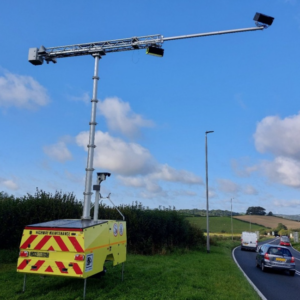
Mr Collins said the results underline the importance of using technology to support police forces in identifying offending drivers and changing behaviour. The Acusensus “Heads Up” enforcement solution uses Artificial Intelligence-enabled cameras to work out if drivers are using a hand-held phone at the wheel, or if any occupants are travelling without wearing a seatbelt. The images are then verified by at least two human reviewers to determine whether an offence has taken place.
“One of the reasons people continue to use phones while driving is because they believe they won’t be detected. Traditional enforcement has an important role to play, but technology allows police to identify offences at a scale that simply wasn’t possible before.
“We’ve seen through deployments of AI-enabled enforcement technology that when drivers understand there is a realistic prospect of being detected, behaviour changes. The aim is not to catch people out; it’s to prevent collisions and save lives.”
He added that the RAC figures should prompt a renewed focus on road safety messaging aimed at younger motorists.
“The fact that younger drivers continue to feature so prominently in these statistics shows that we need to keep reinforcing the message that no message, video or social media post is worth risking a life for. The technology exists to help tackle the problem, but we also need continued education and a collective determination to make this behaviour socially unacceptable.”
Mr Collins concluded: “Every driver knows using a handheld phone while driving is illegal. The challenge now is ensuring people understand that they are increasingly likely to be caught, and that changing their behaviour could prevent a devastating collision.”
(Picture – Acusensus)