Aberdeenshire Council has insisted that it remains firmly focused on the responsible management and investment of its significant £4.3 billion roads assets which underpin the region’s communities, economy and connectivity.
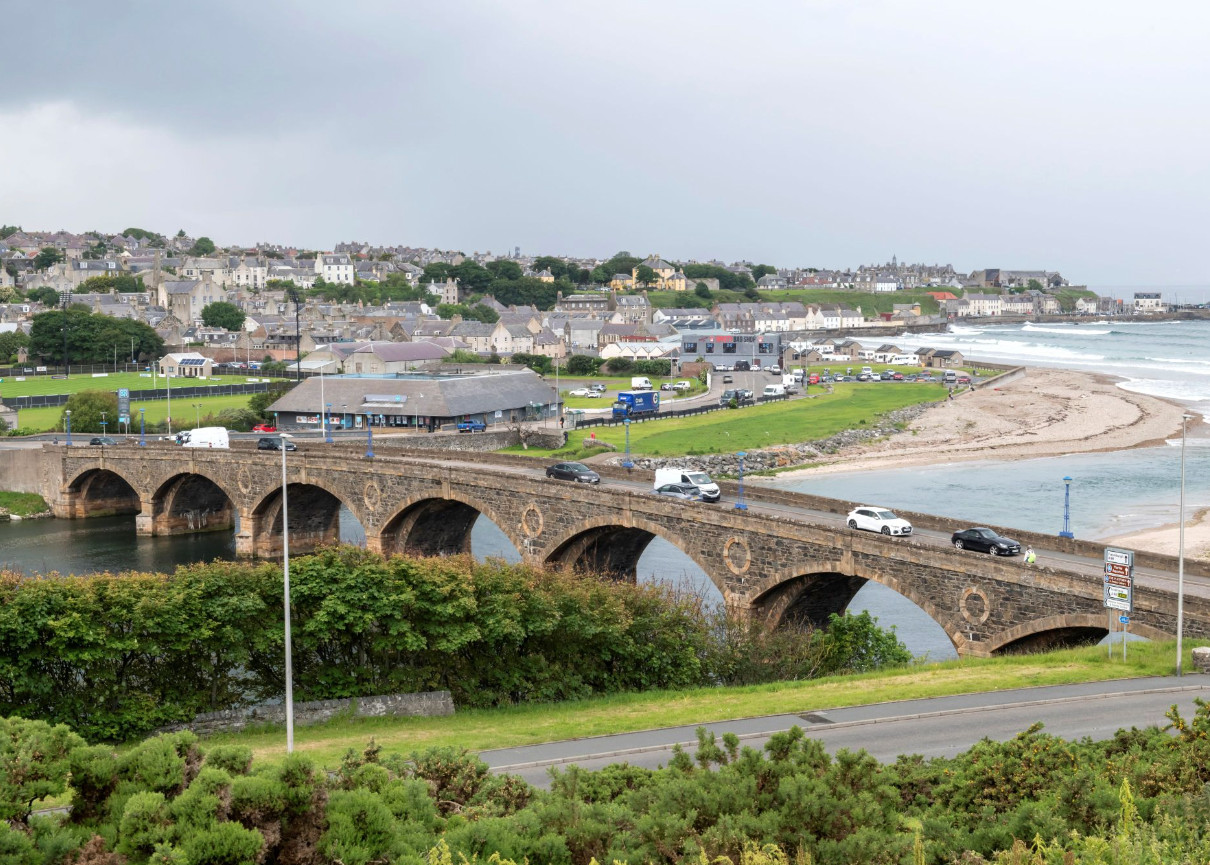
The council is responsible for one of the largest and most valuable local authority road infrastructure portfolios in Scotland, with more than 3,500 miles of roads and footways and more than 1,300 bridges and structures.
Alongside extensive street lighting and traffic signal networks, these assets play a vital role in supporting residents, businesses, visitors and essential public services every day.

The council’s Infrastructure Services Committee heard last week that protecting and maintaining this infrastructure is fundamental to ensuring safe, sustainable and reliable transport links across Aberdeenshire’s urban, rural and coastal communities.
However, the scale and value of the network are also bringing significant long-term investment challenges. Ageing infrastructure, increasing maintenance requirements, inflationary pressures and the growing impacts of severe weather events continue to place considerable strain on available resources.
Through robust asset management practices, evidence-led prioritisation and responsible stewardship of public funds, the council is targeting investment where it is needed most to achieve the greatest benefit for communities.
Nevertheless, sustaining a network of this size and importance will require continued long-term investment to preserve asset condition, reduce future costs and safeguard the transport infrastructure on which Aberdeenshire’s economic prosperity and quality of life depend.
Councillors heard it would cost the council more than £4.3 billion to replace the following roads assets:
• Bridges and Structures: £586,000,000
• Carriageways: £3,346,955,000
• Footways: £278,833,000
• Street Lighting: £94,703,000
• Traffic Signals: £1,740,000
To put this into perspective, the entire remainder of the council’s physical assets – including schools, offices, leisure facilities, investment properties and heritage assets – has a combined value of just under £2.2 billion. However, councillors were reminded that unlike buildings, roads are used intensively, exposed continuously to weather, overloaded traffic and climate impacts, so require constant investment simply to stand still.
Cllr Alan Turner, chair of the Infrastructure Services Committee, said afterwards:
“Aberdeenshire has one of the largest and most complex road and bridge networks in Scotland and it is under growing strain. Years of constrained funding, rising construction costs, increasingly severe weather and an ageing asset base mean that the condition of parts of our network is deteriorating faster than we can reasonably address.
“We will continue to make careful, evidence-led choices about where investment will have the greatest benefit. While we recognise how important every local road and bridge is to the communities which rely on them, we must focus our resources where they protect connectivity for the greatest number of people and businesses. That means prioritising key routes which support communities, the local economy and nationally-important infrastructure.
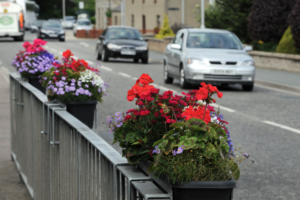
(Picture: Aberdeenshire Council)