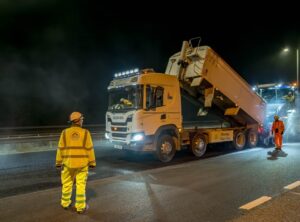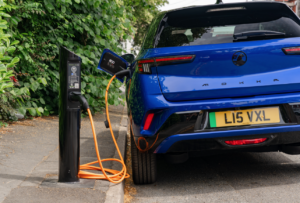
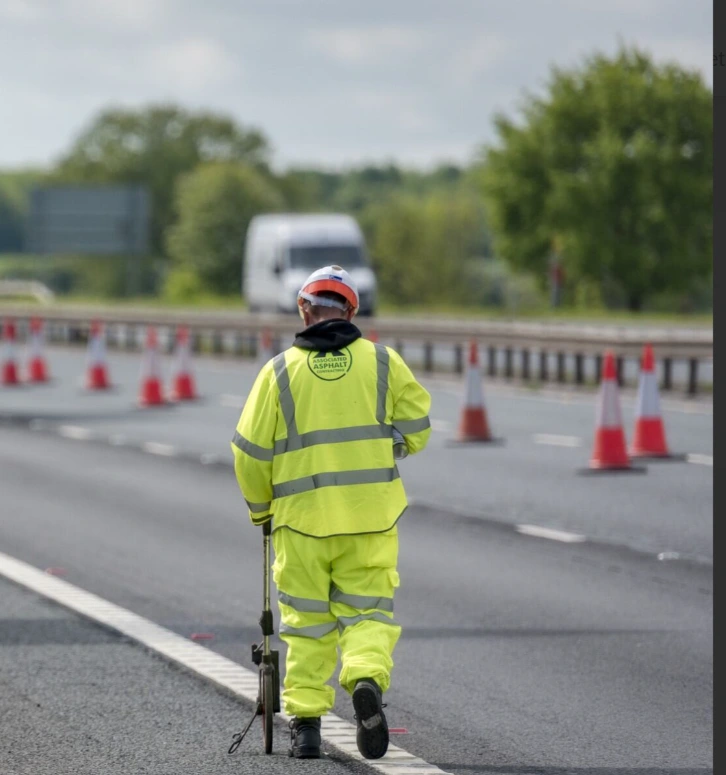
As the UK’s HGV fleet moves from pilot electrification projects towards commercial reality, Associated Asphalt has raised urgent concerns about whether the country’s road network is, in fact, prepared for the additional weight associated with the transition.
As part of its ambitious net zero targets, the government has committed to phasing out the sale of new non-zero-emission HGVs weighing up to 26 tonnes from 2035, with all new HGVs required to be zero-emission from 2040. While the transition remains in its early stages, momentum is beginning to build. More than 1,000 zero-emission HGVs have now been registered in the UK, with registrations rising by 170.5% in 2025.
But while the environmental case for electrification may be compelling, Associated Asphalt – drawing on developments already being seen in the US – has been quick to point out an unintended consequence in terms of the additional weight of electric HGVs and what it could mean for an already heavily constrained UK road network.

Electric HGVs can weigh up to two to three tonnes more than standard diesel models due to the heavy battery packs to achieve commercial-grade ranges. This increased weight and higher axle load run the risk of accelerated road wear, including structural damage, rutting and potholes across local and national networks. In the US the infrastructure implications are already emerging, with research in New York estimating that heavier electric trucks could increase annual road and bridge repair costs by up to 12% by 2050.
“Although the Government has committed to getting diesel HGVs off the roads in favour of zero-emission trucks, the transition does come with many unintended consequences and complications.” said Dr Paul Phillips, Technical Director at Associated Asphalt, “Not to be overlooked is the sheer weight of electric HGVs. The cumulative effects of heavier vehicles and increased traffic are already contributing to the rapid worsening of the UK’s roads. With the accelerated adoption of electric trucks, this damage could increase exponentially, putting our already challenged roads under unprecedented strain.”
To manage the risks, Associated Asphalt recommends that UK government and industry take the opportunity to come together now to develop the strategy and means to ensure the UK’s infrastructure is able to support the shift to e-trucks.
Dr Phillips continues:
“The transition to zero-emission HGVs is, of course, essential, but we must make sure we have the underlying infrastructure in place to support it. With this, it’s important that government and industry work together now to understand the impact of heavier electric vehicles and ensure our road network is resilient enough to meet the demands of the future.
“The good news is that this shift is still very much in its infancy and we still have time to address this proactively rather than waiting for the problem to become more acute. That means looking at vehicle weights, axle loads and road construction standards together, and making sure infrastructure investment keeps pace with the transition to electrification.”
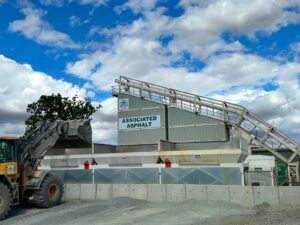
(Picture: Associated Asphalt)