The European Commission has been urged to investigate potential security risks associated with connected vehicles manufactured by Chinese carmaker BYD, amid growing scrutiny of the relationship between vehicle technology, data security and critical infrastructure.
Fourteen Members of the European Parliament (MEPs) have submitted written questions calling for an assessment of whether BYD vehicles could present cybersecurity risks and whether additional safeguards or restrictions should be considered.
The initiative, led by French MEP François Kalfon, asks the Commission to involve the European Union Agency for Cybersecurity (ENISA) in assessing the potential risks.

Among the measures raised are the possible designation of BYD as a high-risk supplier, restrictions on access to sensitive infrastructure and potential exclusion from certain public procurement contracts.
The questions follow a decision by the US military last month to prohibit BYD vehicles from entering Kadena Air Base in Okinawa, Japan, citing security concerns. The specific nature of those concerns has not been publicly detailed.
However, the European initiative is currently a request for an assessment rather than a formal proposal to ban BYD vehicles from European roads or the wider EU market.
Focus on connected vehicle technology
The concerns raised by the MEPs centre on the increasing connectivity of modern vehicles and the data they can collect, process and transmit.
Today’s vehicles can incorporate cameras, positioning systems, microphones, sensors and remote communication technology, providing a range of functions for drivers and fleet operators.
While these technologies bring benefits in terms of vehicle safety, efficiency and convenience, they also raise questions about data protection, cybersecurity and the potential exposure of sensitive information.
In their submission, the MEPs refer to China’s 2017 National Intelligence Law, which requires Chinese organisations and citizens to support and cooperate with national intelligence work.
François Kalfon has argued that the presence of connected vehicles from overseas manufacturers around sensitive European infrastructure warrants closer examination.
The questions also refer to security measures reportedly taken by countries including Poland, the UK and Israel, alongside concerns raised about vehicles used during military exercises in Norway.
These references form part of the lawmakers’ case for further investigation and should not be interpreted as evidence of wrongdoing by BYD.
BYD rejects security concerns
BYD has rejected suggestions that its vehicles create a security risk through the handling of customer data.
The company has said that data processed or stored by its vehicles, whether within the vehicle or in cloud systems, cannot be accessed remotely from China, and that customers retain control over their data.
The company’s position is an important part of the debate as European policymakers consider how best to assess the security of increasingly sophisticated connected vehicle technology.
No finding of a security breach or misuse of customer data by BYD has been established in the parliamentary initiative.
Wider implications for transport procurement
The debate also raises questions about how public authorities and transport organisations assess the security implications of vehicles purchased for official fleets or used around sensitive infrastructure.
The European Commission has separately proposed changes to public procurement rules which could give greater weight to European content and strategic considerations when awarding contracts.
BYD already has a manufacturing presence in Hungary, with further European production plans, meaning that any future procurement restrictions could raise wider questions about how locally manufactured vehicles from overseas-owned companies are treated.
The issue also sits within a broader international debate about connected vehicle technology. The United States has introduced restrictions on certain Chinese and Russian vehicle software and hardware, citing concerns about data security and potential remote interference.
However, the European Parliament initiative does not itself introduce equivalent restrictions in the EU.
Any decision by the Commission to pursue further action would require consideration of the evidence, the potential risks and the appropriate regulatory response.
For the European transport sector, the discussion highlights the growing importance of cybersecurity in vehicle procurement and fleet management, as connected technology becomes an increasingly integral part of modern road transport.
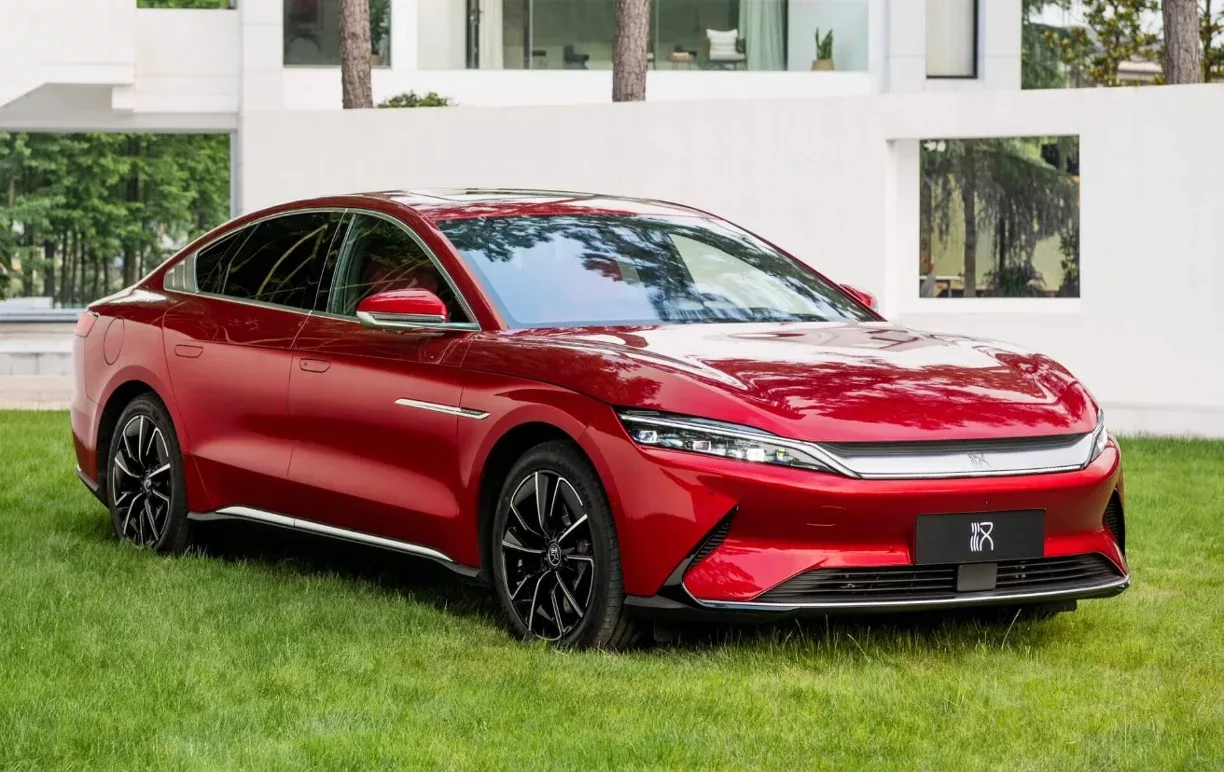
(Picture: BYD)